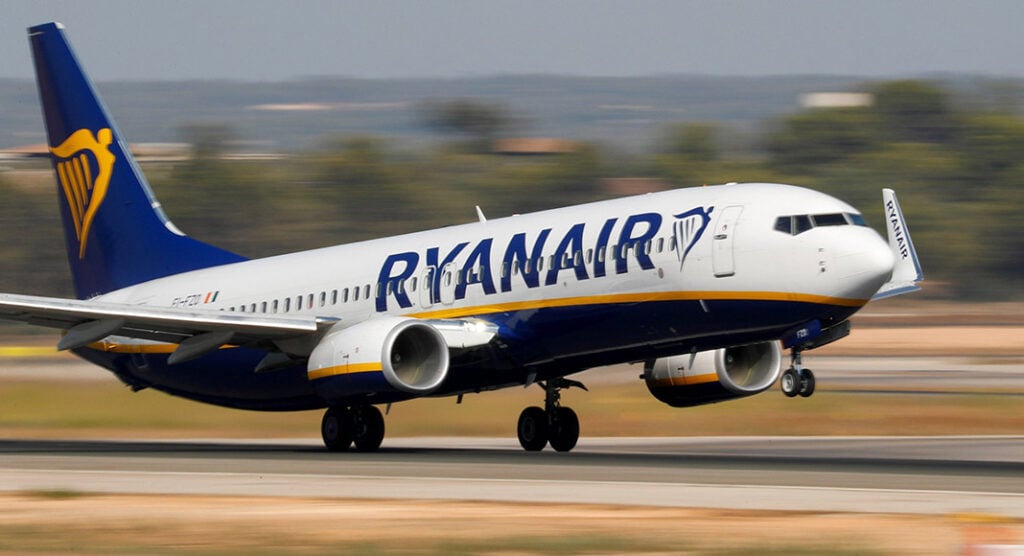
- Ryanair will keep winter traffic flat and cut its fiscal 2027 target to 214 million passengers.
- The airline expects the move to reduce winter losses by 70 million to 100 million euros.
- Jet fuel near $140 a barrel is driving caution, despite strong summer demand.
Ryanair will hold winter traffic broadly flat from November to March and cut its fiscal 2027 passenger target to 214 million, down from 216 million, as fuel prices approach $140 a barrel. The move should reduce winter losses by €70 million to €100 million.
The airline announced the change on September 2, 2026. It said the lower target limits exposure to unhedged oil prices during the winter season.
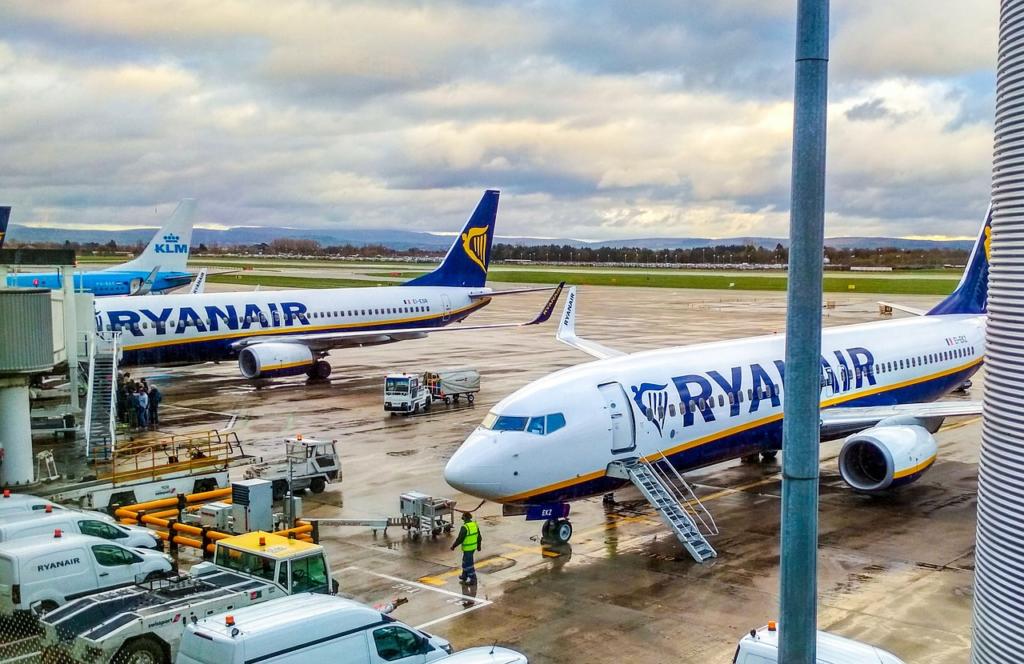
The freeze applies to the period from November through March. Summer traffic remains on track to grow by more than 5% to 145 million passengers.
Fuel costs are driving the caution. Jet fuel stood at around $140 a barrel, while the airline had locked in much of its requirement at a far lower price.
The company warned that sustained high oil prices could force some competitors to reduce capacity or struggle to survive the coming winter season. It also said European short-haul airfares could increase materially if elevated prices continue through summer 2027.
Recent traffic figures show stronger summer demand. August passenger numbers rose 6% to 22.2 million, and the load factor remained steady at 96%. The airline also operated more than 120,500 flights recently.
The hedge covers most fuel needs, but winter exposure remains
The airline said 80% of its fiscal 2027 fuel requirement was hedged through March 2027 at roughly $67 a barrel. That position covers most of the period ahead, but leaves some costs exposed to the current market.
The winter adjustment is designed to limit that exposure. The company expects the schedule decision to lower losses by €70 million to €100 million.
| Measure | Figure | Relevance |
|---|---|---|
| Fiscal 2027 passenger target | 214 million, down from 216 million | Reduces exposure to unhedged winter costs |
| Winter traffic | Broadly flat from November to March | Applies during the weaker season |
| Fuel hedged | 80% through March 2027 | Hedged at roughly $67 a barrel |
| Market fuel price | Around $140 a barrel | Raises costs on unhedged needs |
| Expected winter loss reduction | €70 million to €100 million | Estimated benefit of the schedule move |
The airline links higher fares to oil prices lasting into summer 2027
The company tied its fare outlook to oil remaining expensive through summer 2027. It said short-haul airfares in Europe would rise “materially” to reflect higher oil prices.
The warning also singled out less well-hedged competitors. Some, the airline said, could struggle to maintain capacity or even survive this coming winter season.
That forecast describes a conditional outcome, not a confirmed fare increase. Its timing depends on whether high oil prices continue into the summer schedule.
Summer demand remains positive as August traffic rises
The summer plan continues to point upward. Traffic is expected to reach 145 million passengers, an increase of more than 5%.
August produced another increase. Passenger numbers reached 22.2 million, up 6% year on year, while occupancy held at 96%.
The company also reported more than 120,500 recent flights. Those figures place the winter decision alongside continued growth during the busier travel period.
Capacity cuts at Charleroi and Brussels remain part of the winter picture
The airline removed five aircraft from its Charleroi base in Belgium in July 2026. It also cut 2 million seats from its Brussels schedule for winter 2026 and summer 2027.
Those figures provide additional detail on its capacity plans across Belgium. The latest traffic target covers the broader fiscal 2027 outlook.
Wizz Air’s August growth outpaced the larger carrier’s increase
Wizz Air carried 8,699,468 passengers in August 2026, a 25.9% year-on-year increase. Its monthly growth rate was higher than the 6% increase recorded by the larger airline.
| Airline | August 2026 passengers | Year-on-year change |
|---|---|---|
| Ryanair | 22.2 million | 6% |
| Wizz Air | 8,699,468 | 25.9% |
The figures capture August performance rather than the winter outlook. The two airlines reported different passenger totals and growth rates for that month.
Fuel inflation has accelerated across the market
The International Air Transport Association said fuel prices rose 8.2% month-on-month and 74.2% over the past year.
That increase helps explain why the airline is concentrating its caution on the winter schedule, when the remaining unhedged fuel costs carry greater risk. Its fare warning extends beyond that period.
If high oil prices persist into summer 2027, the company expects short-haul airfares in Europe to increase materially. The winter schedule will begin from November.