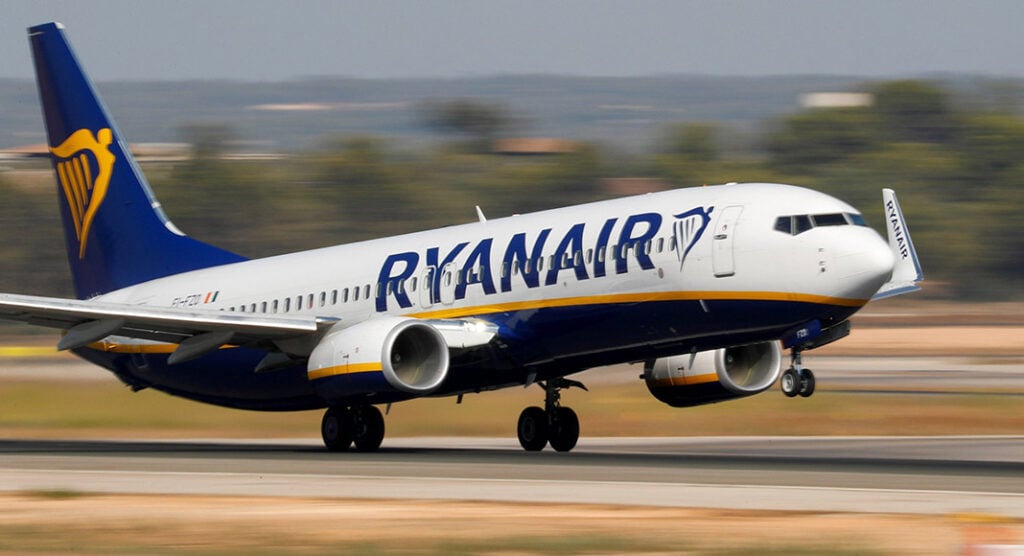
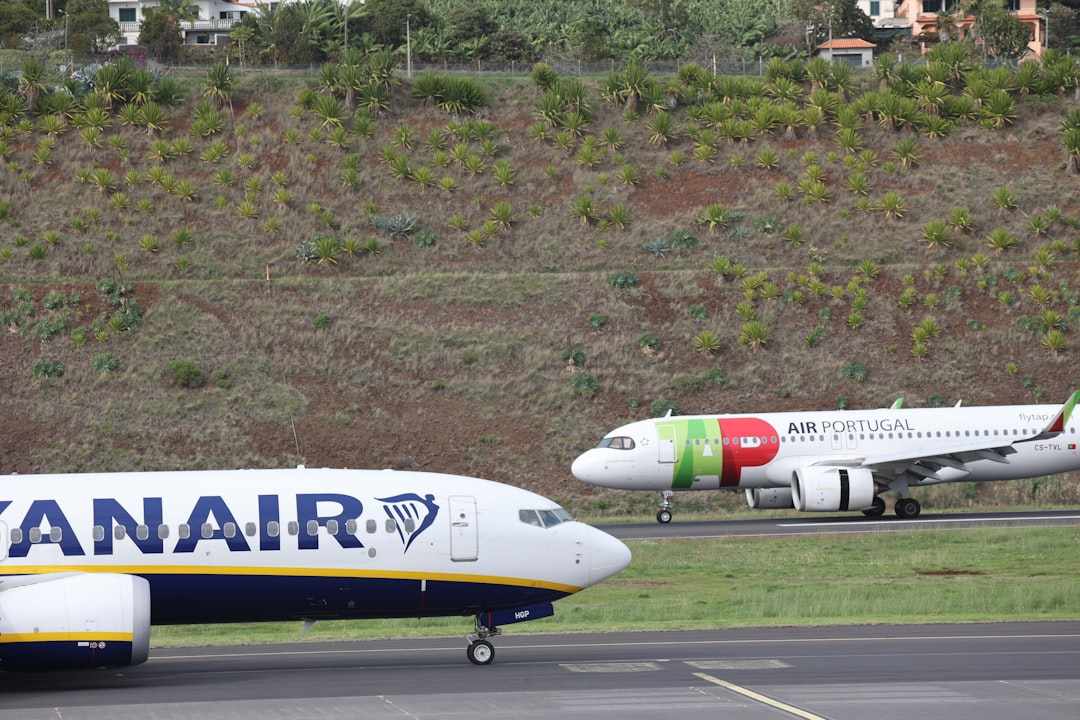
Ryanair cut its fiscal 2027 traffic target to 214 million passengers from 216 million on September 2, 2026, citing jet fuel at about $140 a barrel and the risk of unhedged winter costs. The airline said it is keeping winter capacity broadly flat and warned that if high oil prices persist, short-haul fares in Europe could rise “materially” and weaker rivals could “struggle to maintain capacity or even survive.”
- Ryanair said about 80% of its fiscal 2027 jet fuel needs are hedged through March 2027 at about $67 a barrel, and it expects the schedule change to reduce winter losses by €70 million to €100 million.
- The carrier said summer traffic remains on track to rise by more than 5% to 145 million passengers, while traffic from November to March is expected to be “broadly flat.”
- Ryanair also said it had removed five aircraft from its Charleroi base in Belgium in July and cut 2 million seats from its Brussels schedule for winter 2026 and summer 2027.
- The airline reported carrying 22.2 million passengers in August 2026 and said it had operated more than 120,500 flights with a 96% load factor.
- Ryanair reported a 34% profit drop to 538 million euros due to rising fuel costs.
- Average airfares fell by 6% as the airline used discounting to maintain a 94% load factor.
- The carrier warned of zero visibility for late 2026 profit due to volatile fuel and regional conflicts.
Ryanair reported a 34% drop in profit to €538 million for its April-June quarter as higher fuel costs, delayed bookings and weaker fares squeezed results. The airline carried more passengers, but had to cut prices to keep seats filled amid uncertainty linked to the war in the region.
Operating costs climbed 11% to €3.81 billion. The price of the group’s 20% unhedged fuel more than doubled during the quarter.
Passenger traffic rose 6% to 61.3 million. The load factor held at 94%, showing that aircraft remained heavily occupied even as average fares fell 6% year-on-year.
The pressure reached the bottom line. Profit after tax fell from €820 million to €538 million, while revenue increased 1% to €4.38 billion.
Michael O’Leary, the airline’s group chief executive, said fares needed active discounting as travelers delayed decisions and worried about fuel supplies and the economy.
“Q1 fares required stimulation as the Middle East conflict led to consumer hesitancy, concerns about EU jet-fuel shortages, economic uncertainty and later bookings.”
The comments point to a booking pattern that gives the carrier less visibility. Passengers are booking closer to departure, leaving the airline with less certainty about demand during the rest of the financial year.
Neil Sorahan, the group’s chief financial officer, warned that European aviation faces a difficult winter. He said substantial capacity reductions could follow, potentially allowing airlines to charge more.
“If we can get higher fares, we're very happy to take them. but we're doing a little bit more stimulation further out.”
The quarter also reflected the timing of Easter 2026. Some holiday travel fell into the previous financial year, Q4 FY26, rather than the comparable period.
Fuel exposure widened the cost squeeze
The carrier entered FY27 with 80% of its fuel hedged at $67 per barrel. Its remaining 20% faced market prices that rose to approximately $150 per barrel during the quarter.
That unhedged portion more than doubled in price. The result helped push operating expenses to €3.81 billion, compared with €3.42 billion a year earlier.
| Measure | Latest quarter | Year-on-year change |
|---|---|---|
| Profit after tax | €538 million | Down 34% from €820 million |
| Operating costs | €3.81 billion | Up 11% |
| Revenue | €4.38 billion | Up 1% |
| Passenger numbers | 61.3 million | Up 6% |
| Average fare | Approximately €48 | Down 6% |
| Load factor | 94% | Held steady |
The wider disruption has been linked to fighting involving the United States and Iran and the closure of the Strait of Hormuz, a major route for oil and gas shipments. Brent crude rose above $90 per barrel, while unhedged jet fuel reached approximately $150 per barrel.
O’Leary said the company’s approach leaves it better placed than rivals when oil prices move sharply.
“Our conservative hedging policy” provides a “cost advantage over all other EU competitors” amid volatile oil prices and economic uncertainty.
The airline’s hedging position cushions most of its exposure, but it does not eliminate the effect of a sudden market jump. The unprotected share still fed directly into the quarter’s expense base.
Lower fares kept planes full, but limited revenue growth
The 94% load factor gave the airline a strong traffic result. It carried 61.3 million passengers, up from the comparable period, while average fares fell to approximately €48.
Discounting supported volume. It did not protect margins.
The combination left revenue up only 1%, even with passenger traffic 6% higher. Consumers benefited from cheaper tickets, but the carrier absorbed the difference through lower yields.
Investors had expected profit after tax of €579 million. Shares fell approximately 6% to 7% in Dublin trading after the results, reflecting the miss and the uncertain outlook.
The airline has declined to offer full-year profit guidance for FY27. It cited “zero visibility” for the second half, covering October 2026 through March 2027.
O’Leary said final FY27 profit remains vulnerable to several external shocks.
“The final FY27 PAT [Profit After Tax] remains highly sensitive to adverse external developments, incl. conflict escalation in the Middle East and Ukraine, the price of unhedged jet-fuel, macro-economic shocks and continuing European ATC strikes and mismanagement.”
The warning covers both fuel and demand. A prolonged crisis could keep travelers cautious, while a later booking window makes it harder to set capacity and prices with confidence.
Debt and aircraft plans give the airline room to respond
The group repaid its final €1.2 billion bond in May 2026. It now holds more than €2.8 billion in cash and is debt-free.
That balance sheet provides flexibility as operating costs remain elevated. The company is also nearly 90% through its €750 million share buyback program as of July 2026.
Fleet growth continues, although delivery and certification issues complicate capacity planning. The carrier received its final Boeing 737-8200 “Gamechanger” aircraft in February 2026.
Certification delays affecting the MAX-10 are expected to continue into late 2026 or early 2027. Future capacity could therefore depend on both aircraft availability and the demand outlook.
Sorahan expects the winter market to become more disciplined if airlines remove seats.
“Difficult winter” conditions could bring consolidation and “significant capacity” cuts, “which could be positive for pricing.”
That prospect would help fares, but only if travelers return and the fuel market stops worsening. Until then, the company’s FY27 earnings remain exposed to the unhedged portion of its fuel bill and bookings made later than usual.
The next major planning window runs from October 2026 through March 2027. The airline will enter it with no full-year profit forecast, 80% fuel coverage at $67 per barrel and cash above €2.8 billion.