- Global airline profits are projected to drop to $23 billion in 2026 due to fuel costs.
- Jet fuel prices surged by 70%, pushing industry expenses to a staggering $350 billion.
- Thin profit margins of 2.0% leave weaker-financed airlines at risk of collapse or consolidation.
(RIO DE JANEIRO) — From Rio de Janeiro on June 7, 2026, IATA projected global airline profit dropping from $45 billion in 2025 to $23 billion in 2026, with net margins shrinking from 4.2% to 2.0% as jet fuel prices surge and disruptions ripple through operations.
IATA’s figures point to a sharp reset after a stronger 2025. A fall of $22 billion in profit leaves airlines with less room to absorb shocks, fund fleet plans, or defend fares in crowded markets. Margins near 2.0% are thin by any standard. Small cost changes can erase them fast.

Fuel sits at the center of the downgrade. IATA said jet fuel prices rose 70%, pushing industry fuel costs from $252 billion to $350 billion in 2026. That shift alone reshapes the year’s math. Airlines can raise fares, but not always enough.
War-related disruption in the Middle East adds a second strain. Carriers have had to work around damaged or restricted air corridors, and those detours burn more fuel, tie up aircraft longer, and complicate crew scheduling. The extra distance shows up in several places at once. Costs rise. Reliability usually slips.
Willie Walsh, IATA’s director general, warned that weaker-financed airlines may struggle to absorb the shock. In many cases, carriers with limited cash buffers or higher debt loads have fewer options once fuel jumps this hard. Some may cut capacity. Some may seek buyers. Others may not survive.
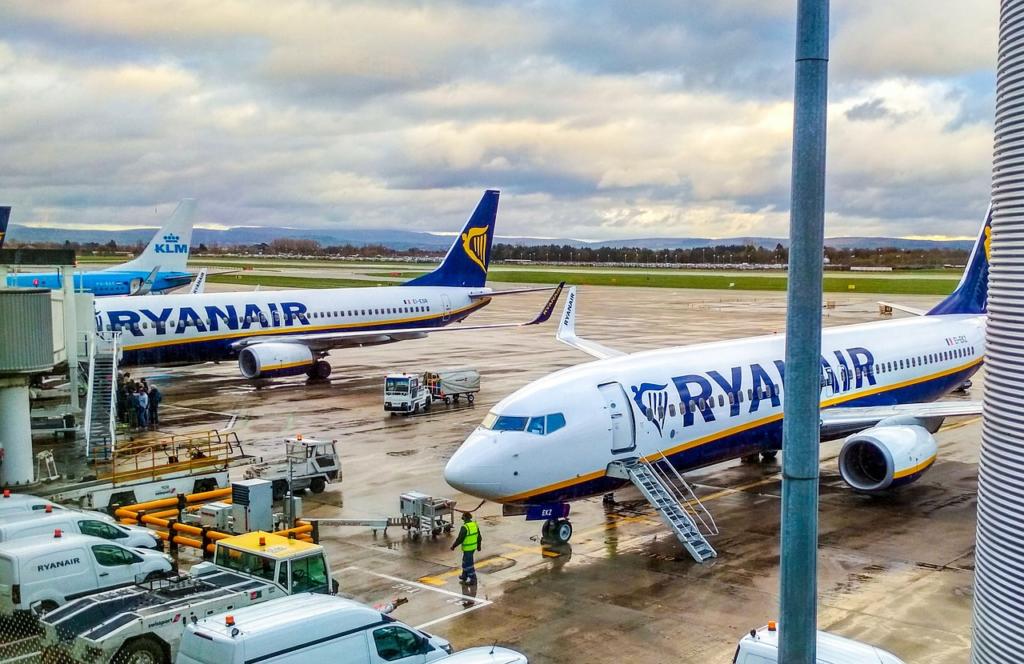
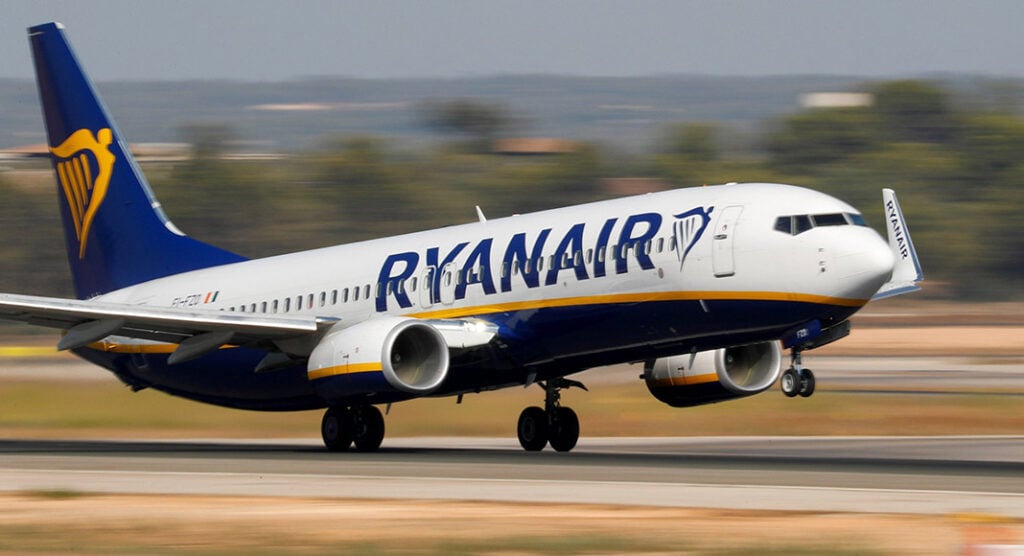
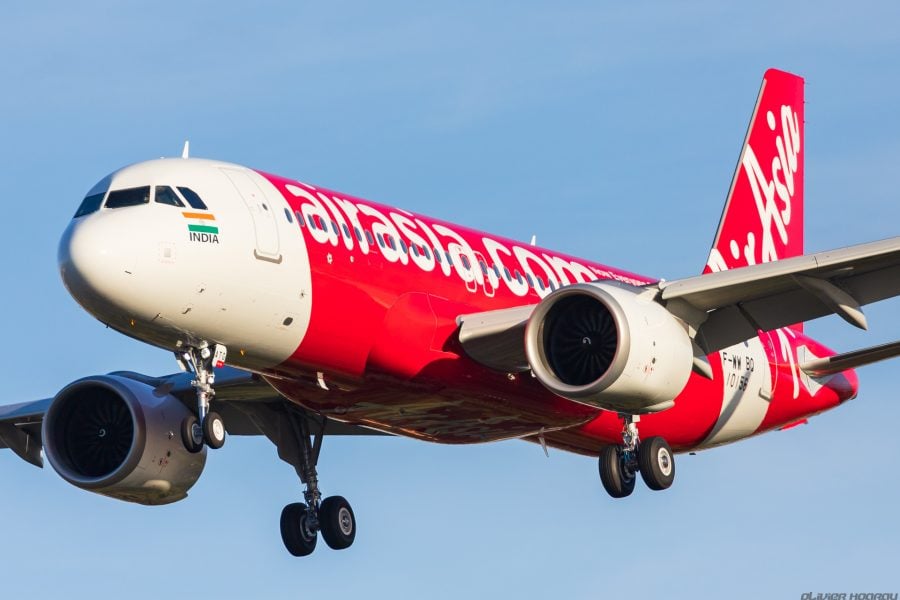
Budget airlines face a harsher version of that squeeze. They typically depend more heavily on low fares and high aircraft use, while lacking premium-cabin sales and other higher-margin revenue streams that help larger network airlines cushion swings in cost. That leaves less protection when fuel rises and routes become less efficient.
| Metric | 2025 Value | 2026 Value | Primary Drivers | Notes |
|---|---|---|---|---|
| Global airline profit | $45 billion | $23 billion | Higher fuel bills, disrupted operations | Outlook issued in Rio de Janeiro on June 7, 2026 |
| Net margin | 4.2% | 2.0% | Cost inflation, detours, limited fare flexibility | Profitability roughly halves |
| Fuel costs | $252 billion | $350 billion | 70% rise in jet fuel prices | Largest cost pressure in the outlook |
⚠️ High-risk sector outlook: weaker-financed airlines face bankruptcy risk and potential consolidations; budget carriers are most exposed due to limited premium revenue.
That warning matters most at the lower end of the market. Low-cost carriers often win traffic with price, not cabin mix. During stable periods, that model can work well. During fuel spikes, it leaves little room for error, especially if aircraft must fly longer routings around closed or risky airspace.
✅ Jet fuel prices rose 70%, driving costs up from $252 billion to $350 billion in 2026; this is a central pressure on margins.
Fuel inflation also lands unevenly across the industry. Airlines with broad long-haul networks may have premium demand, loyalty revenue, and cargo income to soften the hit. Leisure-focused carriers usually have fewer such offsets. They can try to pass on costs through fares and fees, but price-sensitive travelers may resist, and competitive markets may block full recovery.
Middle East disruption intensifies that gap. A detour is not just a longer line on a map. It can require more fuel uplift, altered crew duty planning, and slower aircraft turns at congested airports. One operational change can spread through an entire day’s schedule. That raises the cost of each seat sold.
Walsh pointed to Spirit Airlines as a sign of strain already visible in the market, saying its collapse last month would not be the last. He did not identify specific future targets, and the outlook does not name likely acquirers. Still, the message is direct. Consolidation may accelerate if weaker carriers cannot fund losses or refinance on acceptable terms.
Merger talk often rises during a downturn, but fuel shocks create a special kind of pressure. A carrier can trim unprofitable routes and defer aircraft deliveries, yet it cannot control the world oil market or reopen a conflict zone. Balance-sheet strength starts to matter more than growth plans. Scale matters too.
Investors and lenders may read the IATA forecast as a test of resilience rather than demand. Passenger appetite for travel is not the only question. The cost of carrying that passenger is rising fast, and the route itself may now be longer and less predictable. Those two forces can damage airlines even when planes are still full.
Corporate finance teams may also revisit assumptions on earnings, debt service, and capital spending. Broader financial stress may affect profitability and tax planning at the company level, though outcomes vary by airline and jurisdiction. Any carrier facing those questions should consult a qualified professional before taking legal or tax steps.
Airlines now head into the second half of 2026 with IATA projecting profit at $23 billion and margins at 2.0%. If jet fuel prices stay elevated and Middle East detours continue, weaker carriers may face the hardest choices first: shrink, sell, merge, or exit.
This article discusses industry-level financial outlooks and does not provide tax or immigration guidance.
For readers seeking tax or legal advice, consult a qualified professional.