- Banks, card issuers and registrars now send financial activity data to the Income Tax Department before returns are filed.
- Rule 114E sets reporting thresholds, including ₹50 lakh in cash deposits for current accounts and ₹30 lakh for property.
- AIS and TIS help taxpayers review records, but missing entries do not erase reporting responsibility.
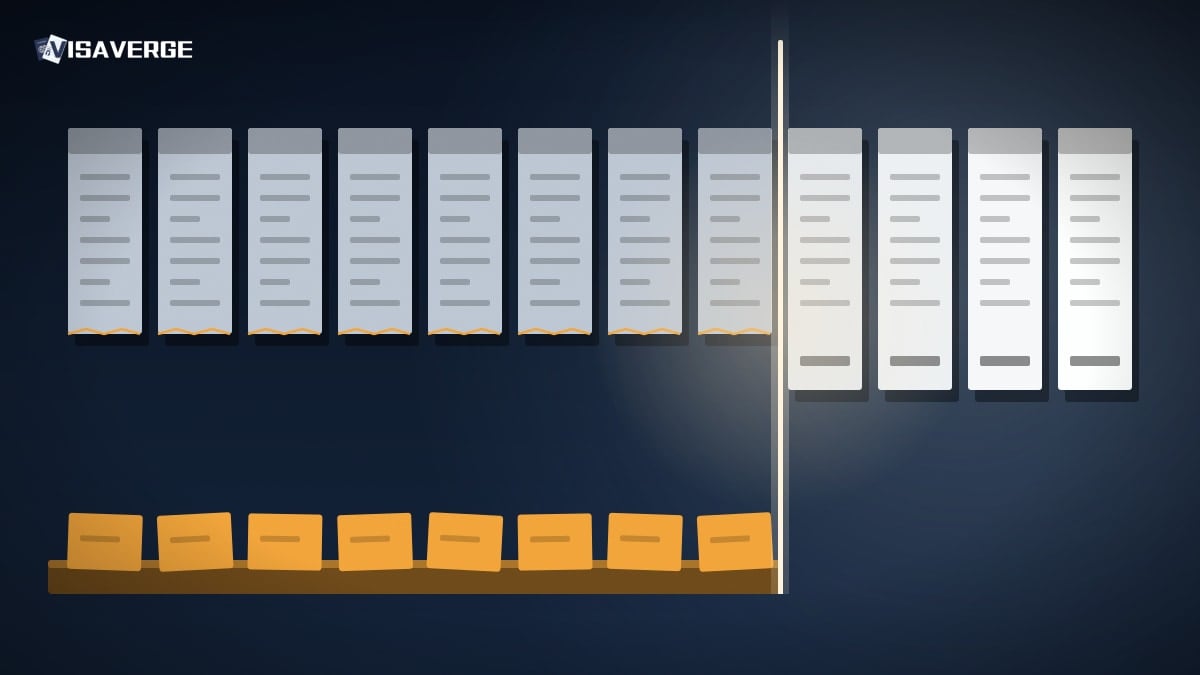
Banks, card issuers, property registrars and investment firms now give the Income Tax Department a view of specified financial activity before a taxpayer explains it in a return. The agency can compare those records with declared income.
The system relies on SFT reporting and other electronic data streams. It does not depend only on figures taxpayers enter themselves.

A transaction may therefore reach the department through the institution that handled it. The taxpayer may never report that transaction directly.
That does not make every large transaction taxable. It creates a record that may require an explanation.
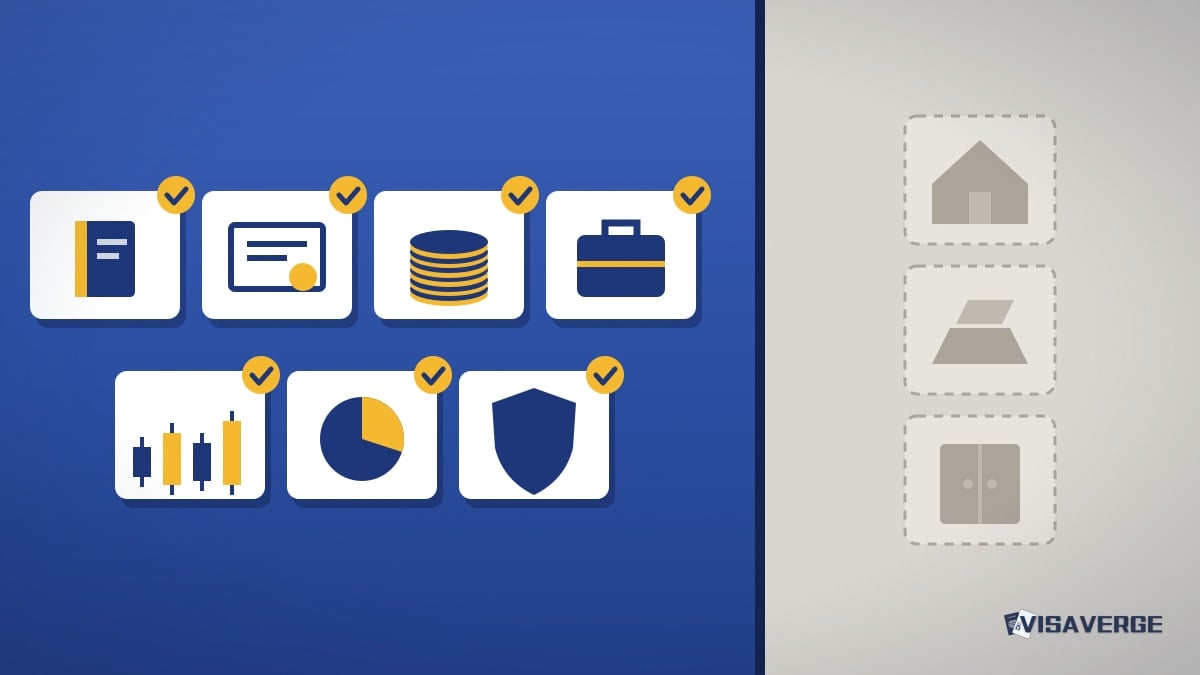
India’s reporting network draws information from across the financial system. Banks and other financial institutions report certain deposits and withdrawals. Credit-card issuers, companies issuing shares or bonds, mutual funds, property registrars, stock-market intermediaries and authorized foreign-exchange dealers also contribute information when the statutory conditions apply.
Section 285BA of the Income-tax Act, read with Rule 114E, requires specified reporting entities to furnish details of prescribed financial transactions. The resulting Statement of Financial Transactions gives the department an independent trail alongside the taxpayer’s return.
The thresholds vary by transaction.
Rule 114E sets different reporting points for different transactions
| Transaction | Reporting threshold under Rule 114E |
|---|---|
| Cash deposits or withdrawals in current accounts | ₹50 lakh or more in a FY |
| Cash deposits in specified non-current accounts | ₹10 lakh or more in a FY |
| Time deposits | ₹10 lakh or more in a FY |
| Credit-card bill payments in cash | ₹1 lakh or more in a FY |
| Credit-card bill payments by other modes | ₹10 lakh or more in a FY |
| Purchase of bonds or debentures | ₹10 lakh or more in a FY |
| Acquisition of specified shares | ₹10 lakh or more in a FY |
| Acquisition of mutual-fund units | ₹10 lakh or more in a FY |
| Purchase or sale of foreign currency | ₹10 lakh or more in a FY |
| Purchase or sale of immovable property | ₹30 lakh or more, subject to Rule 114E conditions |
These figures are reporting points, not spending bans. Crossing one does not make a transaction illegal or automatically turn the full amount into taxable income.
Card payments and property records carry separate conditions
The credit-card rule depends on how the bill is paid. Issuers report aggregate payments of ₹1 lakh or more in cash, or ₹10 lakh or more through another mode, against bills for one or more cards issued to a person during a financial year.
A payment above ₹1 lakh is therefore not subject to the same threshold in every case. The payment method changes the reporting point.
Property records create another trail. A Registrar or Sub-Registrar reports a purchase or sale of immovable property when the transaction amount reaches ₹30 lakh or more, or when the stamp valuation authority values the property at ₹30 lakh or more, subject to Rule 114E.
A property below ₹30 lakh is not necessarily invisible. If both the transaction value and stamp-duty value fall below that figure, it may not fall under that particular SFT entry. Property-registration records, PAN-linked data, TDS statements, capital-gains reporting and banking information may still provide information through other channels.
The department may therefore see a substantial purchase independently of what the taxpayer enters in the return. The question then becomes whether the buyer can explain the source of funds.
Investments and foreign exchange add more financial trails
Rule 114E sets ₹10-lakh reporting thresholds for several investment categories. These include specified acquisitions of bonds or debentures, shares and mutual-fund units.
Market information can go further. Stock exchanges, depositories and other prescribed intermediaries furnish details connected with capital gains on transfers of listed securities or mutual-fund units, including information used for pre-filling returns.
Foreign-exchange activity also enters the reporting framework. Receipts from a person for the sale of foreign currency, including specified foreign-exchange card and debit or credit-card transactions, are reportable when they aggregate to ₹10 lakh or more during a financial year.
The AIS framework can display outward foreign remittances and foreign-currency purchases. Large travel or remittance activity may prompt questions when it appears out of line with the financial position disclosed by the taxpayer.
AIS and TIS show taxpayers what the system has received
The Annual Information Statement brings together a wider range of records. It can include TDS and TCS, SFT transactions, tax payments, demands and refunds, as well as information received from other sources, including outward remittances and foreign-currency purchases.
Taxpayers can submit feedback when information linked to their PAN is wrong. The system can show the originally reported amount and, where applicable, a modified value after feedback or confirmation by the reporting source.
The Taxpayer Information Summary, or TIS, provides a consolidated, category-based view. It includes values processed after rules such as deduplication, along with values accepted by the taxpayer or confirmed by the information source.
AIS provides detail. TIS offers aggregation.
Neither should be treated as a complete substitute for the taxpayer’s own records. The department cautions that AIS may not contain every transaction, and taxpayers remain responsible for complete and accurate reporting.
A reported transaction raises questions about funding, not automatic guilt
Data matching becomes more useful when several entries appear together. A taxpayer declaring total income of ₹8 lakh may also show substantial investments, an expensive property purchase and heavy foreign-travel expenditure during the same financial year.
That pattern does not by itself prove tax evasion. Legitimate explanations may include accumulated savings, sale proceeds, loans, gifts, inherited money, withdrawals from earlier investments or other documented sources.
A high-value purchase is not automatically equivalent to undisclosed income. Someone who buys a ₹70-lakh property could use ₹20 lakh from accumulated savings and ₹50 lakh from a documented housing loan.
The department may receive a report of the full purchase. That report does not establish ₹70 lakh of undisclosed income.
The same principle applies to transfers between a person’s own accounts. A large internal transfer does not become income merely because its amount is high. The issue arises when the nature and source of funds cannot be reconciled with records and explanations under the applicable law.
SFT thresholds also should not be confused with separate restrictions on cash receipts, payments or other transactions. Rule 114E primarily tells reporting entities when to send information. Other provisions may impose different tax consequences or restrictions.
Records should explain major entries before the return is finalized
Taxpayers should take these steps before completing a return:
- Review AIS and TIS against bank, investment, property and payment records.
- Reconcile material entries with the taxpayer’s own documents.
- Submit feedback when an entry is incorrect, duplicated or belongs to someone else.
- Preserve documents supporting major investments, property purchases, loans, gifts, remittances and other substantial transactions.
- Report complete and accurate information even when a transaction does not appear in AIS.
A missing AIS entry does not remove the taxpayer’s reporting responsibility. The system may not contain every transaction.
India’s tax administration increasingly receives information electronically from the institution involved in a transaction. The safer recordkeeping approach is to assume that substantial activity through the formal financial system may be visible through one or more reporting channels.
Legitimate high-value transactions remain part of ordinary economic activity. Proper records and an explainable source of funds determine whether a reported entry can be reconciled with the return.
This article is for informational purposes only and does not constitute tax advice. Consult a qualified tax professional or CPA about your specific situation.