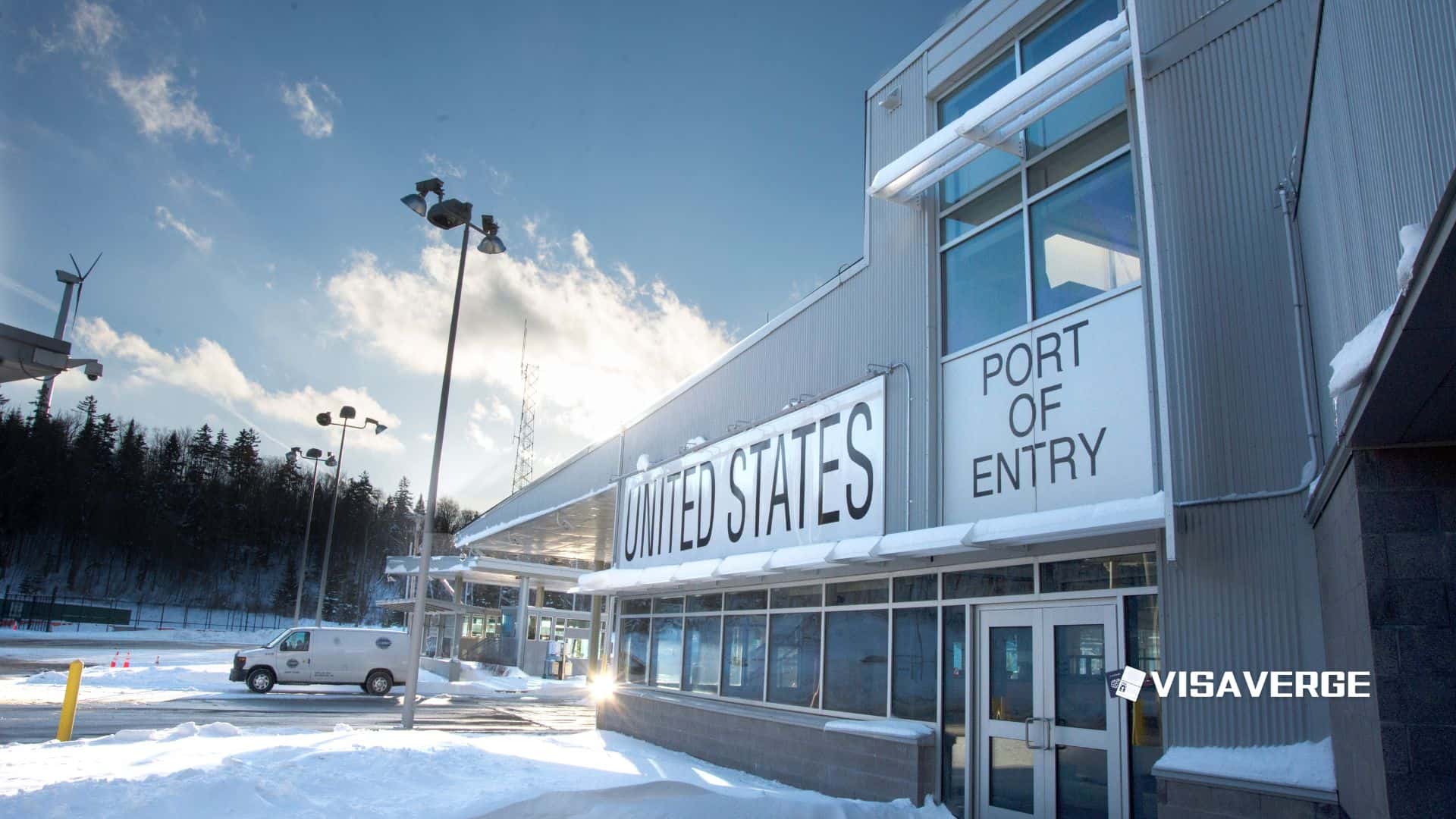
- The Home Office added Erasmus+ placements to the Government Authorised Exchange route from October 8, 2026.
- Approved scheme operators must still sponsor each placement, and the route remains non-settlement.
- Applications before October 8, 2026 will be decided under the rules in force on October 7.
The Home Office widened the exchange rules on 3 September 2026, folding a new Erasmus+ entry into the Government Authorised Exchange route for UK placements. The change takes effect on 8 October 2026 and appears in Statement of Changes in Immigration Rules HC 584. It gives approved traineeships, teaching stints and training assignments a place inside the existing exchange system. The calendar is fixed.
The explanatory memorandum attached to the rule change is blunt.

"facilitative" and "does not create a new immigration route or affect the existing sponsorship system."
That language keeps the move inside the old machinery. No fresh route appears. The Home Office is adding a lane, not rebuilding the road.
Not every Erasmus+ participant gets the same treatment. Those on other placement types will still have to use different immigration routes, which keeps the new listing tightly bounded. The Home Office also drew a separate line for short-term study placements at state-funded schools and academies, treating them differently from the rest of the exchange framework. The lane is narrow.
Brussels also fixed the wider timetable. The UK's return to Erasmus+ for the rest of the 2021-2027 framework is tied to Decision No. 1/2026, adopted on 15 April 2026 and published on 27 August 2026. Full participation resumes on 1 January 2027. The immigration change lands first. The programme return follows.
Home Office figures show the route was already moving people before the change, with 7,235 visas granted in the year ending March 2026. An approved scheme operator still has to back each placement and issue a Certificate of Sponsorship. The route remains non-settlement. For hosts, that keeps the paperwork recognisable even as the Erasmus label returns.
The broader work-experience cap sits elsewhere in the exchange system. That is the part of the rule change that can be mistaken for a blanket rule if the headline is read too quickly. The Erasmus entry is the smaller move. It plugs into an existing structure rather than expanding every placement at once.
How the caps vary by placement
| Placement type | Permission period |
|---|---|
| Erasmus+ placements in the new listing | inside the existing exchange route |
| Short-term study placements at state-funded schools and academies | up to 6 months |
| work experience programme | maximum 12 months |
| Research, academic training and overseas government language programmes | up to 24 months |
The wider exchange system still runs longer cases
Outside the Erasmus heading, the exchange system still handles temporary exchanges, work experience, training and research placements. Practitioner guidance says some permissions run longer for research, academic training and overseas government language programmes, reaching 24 months in those categories. Others end sooner. The route is a set of boxes, not one long corridor.
Advance HE said Erasmus+ will be available to UK students from 2027, and it said temporary exchanges will continue under the current visa structure. University and Erasmus-sector commentary has framed that return as reopening student and staff mobility, partnership projects and youth and sport activity between the UK and the EU. Institutions are now looking at two dates, not one. October changes the route; January changes the programme.
Applications made before 8 October 2026 will be decided under the rules in force on 7 October 2026. The new provisions begin the next day. That cutover is already fixed.