U.S. Embassy Issues B1/B2 Visitor-Visa Warnings for Applicants
The Dhaka post said officers may refuse applications over doubts about an applicant’s intent or stated travel purpose, alongside separate reminders on medical costs, work and authorized stay.
At a glance
- Medical-cost assistance from the U.S. government may be treated as a breach of visa conditions.
- The listed business activities include professional conferences and contract negotiations.
- CBP determines admission and the length of an authorized stay.
Reviewed November 10, 2026 Checked against DHS
The U.S. Embassy in Dhaka warned on November 9, 2026, that a consular officer may refuse a visitor-visa application over doubts about an applicant’s intent to follow visa terms or the purpose of the trip.
The latest of the embassy’s visitor-visa warnings describes a possible refusal, not an automatic denial. It is a reminder about how officers assess applications, not a newly announced visa rule.
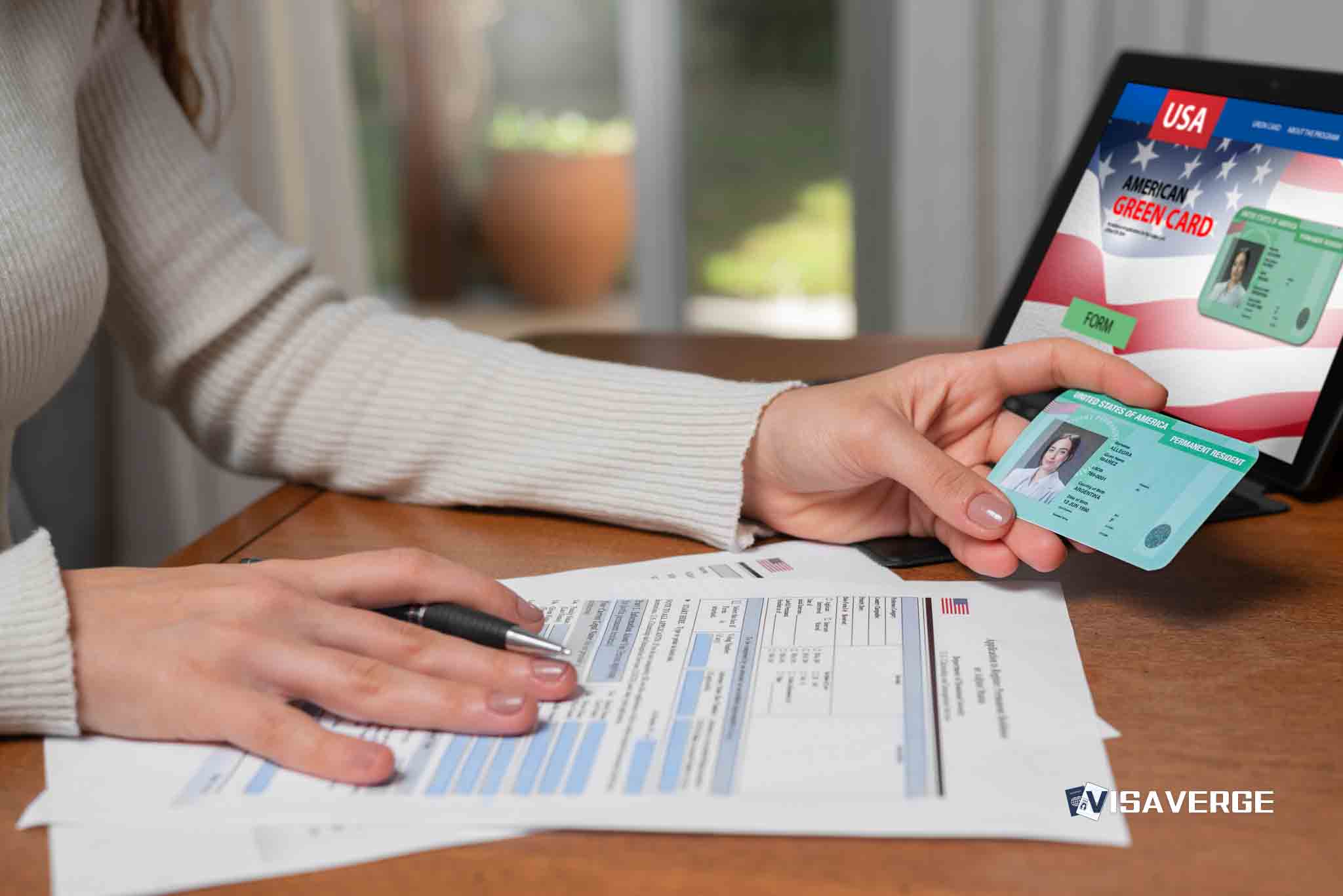
Applicants must accurately explain why they plan to travel, the embassy said. The reminder was also issued in Bangla.
The November 7 medical-cost warning addressed a separate risk
A separate warning on November 7, 2026, addressed visitors who receive U.S. government assistance to pay medical expenses. The embassy said that assistance may be considered a violation of visa conditions. Those who breach visa terms or become dependent on U.S. public benefits may be found ineligible for future travel to the United States.
The message concerned possible use of public support for medical bills. It was distinct from the later advisory about an officer’s assessment of an application.
Business visits do not authorize paid employment
An October 28 advisory described activities allowed on a B1/B2 visa: business meetings, professional conferences and contract negotiations. Employment and other paid work are outside those permitted activities and require a different visa category.
The embassy said applicants should state their actual travel purpose and choose a visa category that matches it.
The embassy’s October 31 reminder dealt with the length of a visit. Visitors must leave by the “Admit Until Date” shown on their I-94 record.
A valid visa does not guarantee admission to the United States. CBP decides whether a traveler may enter and how long the person can stay; the visa’s validity is not the authorized period of stay.
Visitors can check their authorized stay through CBP
Visitors can look up their I-94 record through CBP’s online service and check the listed departure date. The State Department’s visa information page provides further details about visitor visas.
Applicants should give a truthful account of their trip, and visitors should follow the stay period recorded in their I-94. The embassy’s reminders address separate points: application review, medical costs, permitted business activity and departure timing.
Keep reading
More in B-1/B-2 Visa → B-1/B-2 Visa · Nov 18
Department of State Tightens Visa Screening for Three New Applicant Categories
Applying for an I, TN or TD visa? Learn why your social media profiles must be set to public or open, and what the new October 2026 rule means for you…
 B-1/B-2 Visa · Nov 15
State Department: Visitor Visa Rules Restrict B-1/B-2 Non-Recreational Study
 B-1/B-2 Visa · Nov 15
U.S. Denies Visas to Palestinian Pastors Ahead of Separate Washington and Atlanta Events
 B-1/B-2 Visa · Nov 14
Canadian Says CBP Turned Him Away With Passport at Blue Water Bridge
What to do now
- Give an accurate account of your travel purpose.
- Check the departure date on your I-94 record.
- Review visitor-visa guidance from the State Department.
Who this affects
Sources
Primary documents and official agency releases referenced in this story.