- U.S. officials warned that misusing public benefits can lead to immediate visa revocation and future ineligibility.
- Travelers must demonstrate financial self-sufficiency for all medical and living costs while visiting the United States.
- Consular officers are aggressively screening applicants for potential public charge risks using age, health, and financial history.
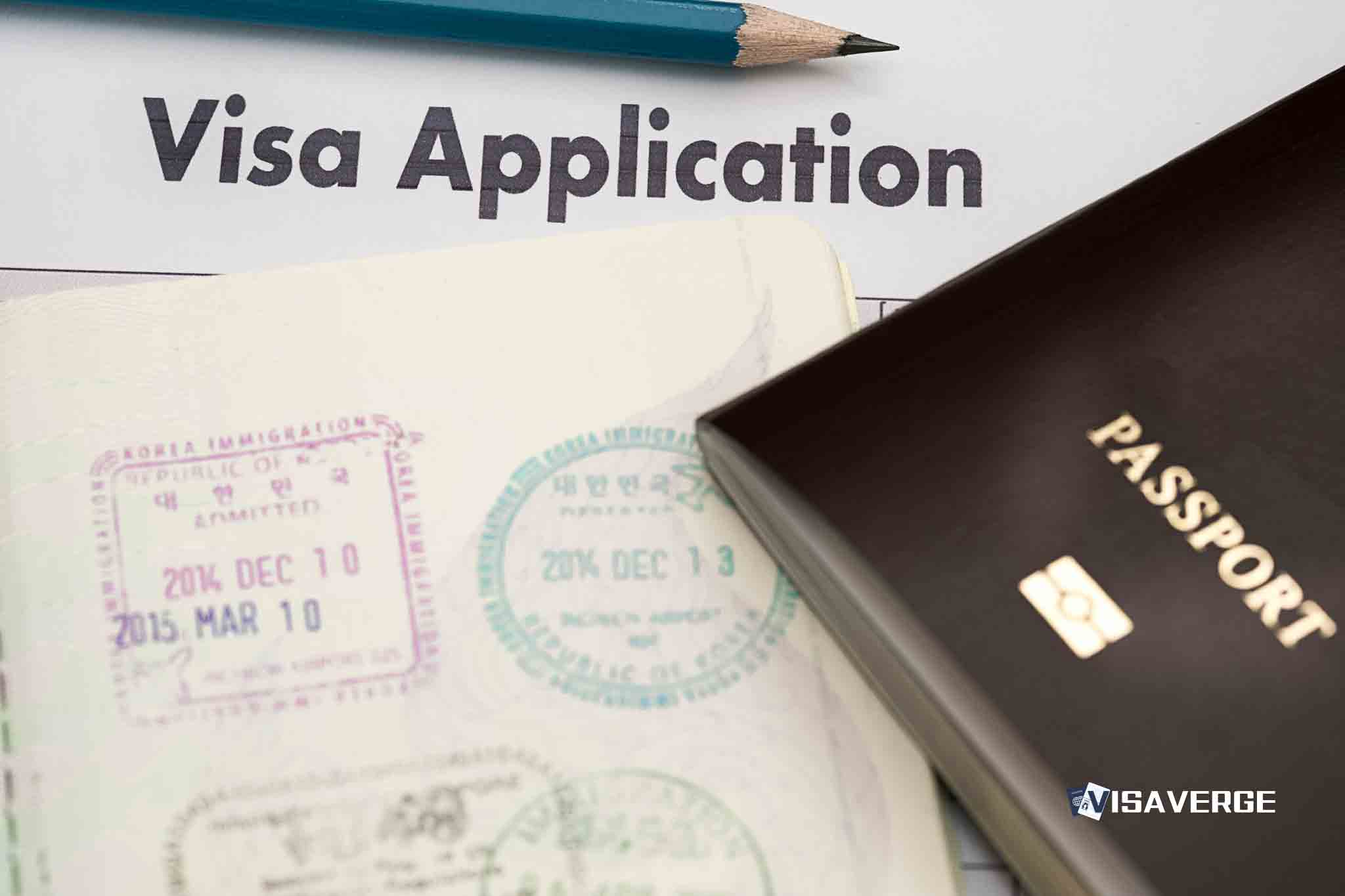
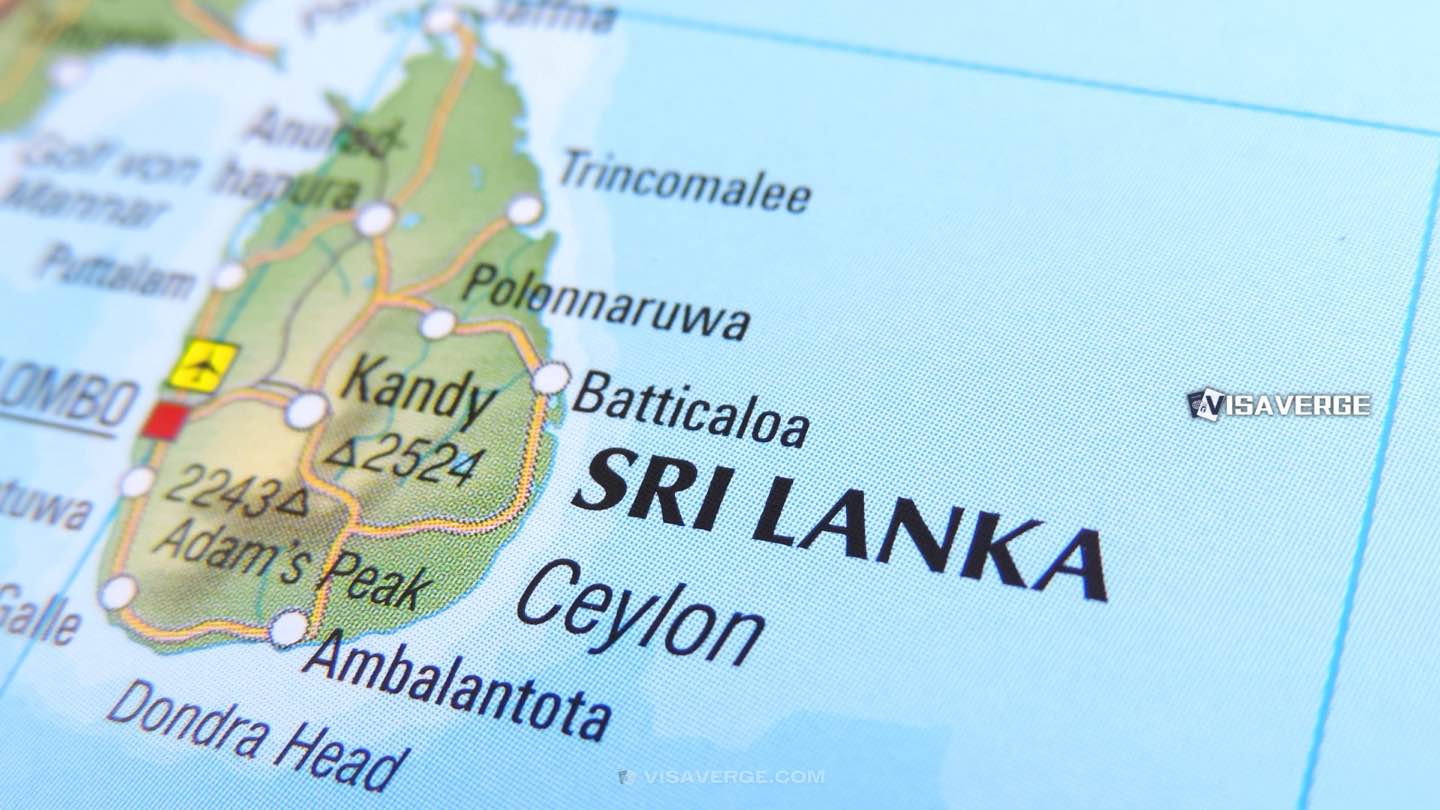
(SRI LANKA) — The U.S. Embassy in Sri Lanka warned foreign nationals on April 16, 2026 that misuse of U.S. public benefits can lead to immediate visa revocation and possible ineligibility for future visas.
The embassy, in public messaging from Colombo, told would-be visitors to show they can pay their own way in the United States, especially for living and medical costs. “Make sure you’re prepared to pay your own way when visiting the United States,” the embassy said.
Its notice targeted nonimmigrant travelers, including people seeking to enter on visitor visas. The embassy warned that “nonimmigrant visa holders who abuse or become dependent on public assistance risk having their visas revoked” and that such violations “may also render them ineligible for future visas.”
That warning tracks a wider policy line the U.S. Department of State set out on February 26, 2026 in guidance titled “Preventing Public Benefits Reliance.” The department said, “The consequences of abusing U.S. public benefits as a foreign visitor could include having your visa revoked. It also could include future visa ineligibility, and in the case of fraud, criminal prosecution.”
Under that framework, a public charge is a person who becomes primarily dependent on the government for subsistence. The examples listed by the State Department include Supplemental Security Income, Temporary Assistance for Needy Families, certain state or local general assistance programs, and long-term institutionalization at government expense.
The immediate focus falls on whether a traveler can cover personal expenses without shifting those costs to taxpayers. The State Department’s guidance says consular officers screen for people who cannot pay their own way, including medical costs, before they travel.
Medical treatment travelers face especially close review. U.S. policy allows such travel, but applicants must show they are not likely to rely on government-funded care, that they can complete treatment, and that they can return home afterward.
In practice, that means stronger documentation. Travelers seeking medical care typically need proof of funds, insurance, hospital cost estimates, doctor letters, travel plans, and evidence of ties outside the United States.
The embassy’s warning in Colombo did not announce a Sri Lanka-only rule. It reflected an enforcement pattern that has widened in 2026, as the State Department and the Department of Homeland Security push financial self-sufficiency checks more aggressively across visa categories.
The State Department’s updated guidance says consular officers may weigh age, health, family situation, finances, education or skills, and current or past use of public benefits when deciding eligibility. A record of benefit use can follow an applicant into later visa adjudications.
That review reaches beyond tourists. Business visitors, students, parents visiting family, and others traveling temporarily are not insulated from scrutiny if officers later conclude they relied on benefits in a way that conflicts with the terms of their stay.
Visa holders traveling for temporary purposes often treat the visa as settled once it is issued. U.S. policy does not. A visa remains discretionary, and authorities can revoke it if they decide the holder no longer qualifies.
That can disrupt travel plans at once. It can also shape later applications, because officers may revisit prior benefit use, financial representations, and the stated purpose of travel when deciding whether to issue another visa.
Fraud findings carry heavier consequences. The State Department’s public guidance expressly lists criminal prosecution as a possible outcome in fraud cases tied to misuse of benefits or misrepresentation of financial capacity.
U.S. Citizenship and Immigration Services reinforced that posture in a memorandum dated April 10, 2026. The memo told officers to “strictly adhere to the statutes, regulations, and USCIS policy when making inadmissibility determinations, including under the public charge ground.”
Another USCIS statement on March 30, 2026 linked that approach to broader screening efforts. “Our top priority is ensuring that all individuals seeking immigration benefits are properly vetted. and to root out fraud in the immigration system.”
The administration widened other checks this year as well. The State Department paused immigrant visa issuance effective January 21, 2026 for nationals of 75 countries designated at high risk of public benefits usage while it reviews vetting policies.
It also expanded social media screening effective March 30, 2026 for additional nonimmigrant categories, including domestic workers in A-3 and G-5 classifications, religious workers in R-1 status, and fiancé(e)s in K-1 status. That screening aims to assess financial and social ties more closely.
Consular officers also hold longstanding authority under the Immigration and Nationality Act to revoke visas if new information arrives after issuance. Current guidance makes clear that benefit use can become one of those triggers.
That matters for people who enter lawfully and then seek support they assumed would be available. Post-entry conduct can affect future eligibility even if the immediate trip ends without a formal removal case.
Travelers planning a U.S. visit now face a plain test: show how the trip will be funded, keep records that match what was said in the visa process, and avoid any gap between the reason for travel and what happens after arrival. Financial evidence, medical paperwork, and proof of ties abroad carry more weight in that setting.
The warning from the U.S. Embassy in Colombo also signals a more public style of enforcement. Instead of leaving public-charge concerns buried inside adjudications, U.S. missions are telling outbound travelers directly that misuse of public benefits can shape both the trip in front of them and any future attempt to return.
Official statements underpinning that message remain publicly available through the [U.S. Embassy in Sri Lanka](https://lk.usembassy.gov/news-events/), the State Department’s [public benefits notice](https://travel.state.gov/content/travel/en/us-visas/visa-information-resources/public-benefits.html), the USCIS [newsroom](https://www.uscis.gov/newsroom/all-news), and the USCIS [Policy Manual](https://www.uscis.gov/policy-manual/volume-8-part-g). Together they show the same line repeated across agencies in 2026: temporary visitors must remain financially self-sufficient, and using taxpayer-funded support can cost them the visa they already hold and the next one they hope to get.