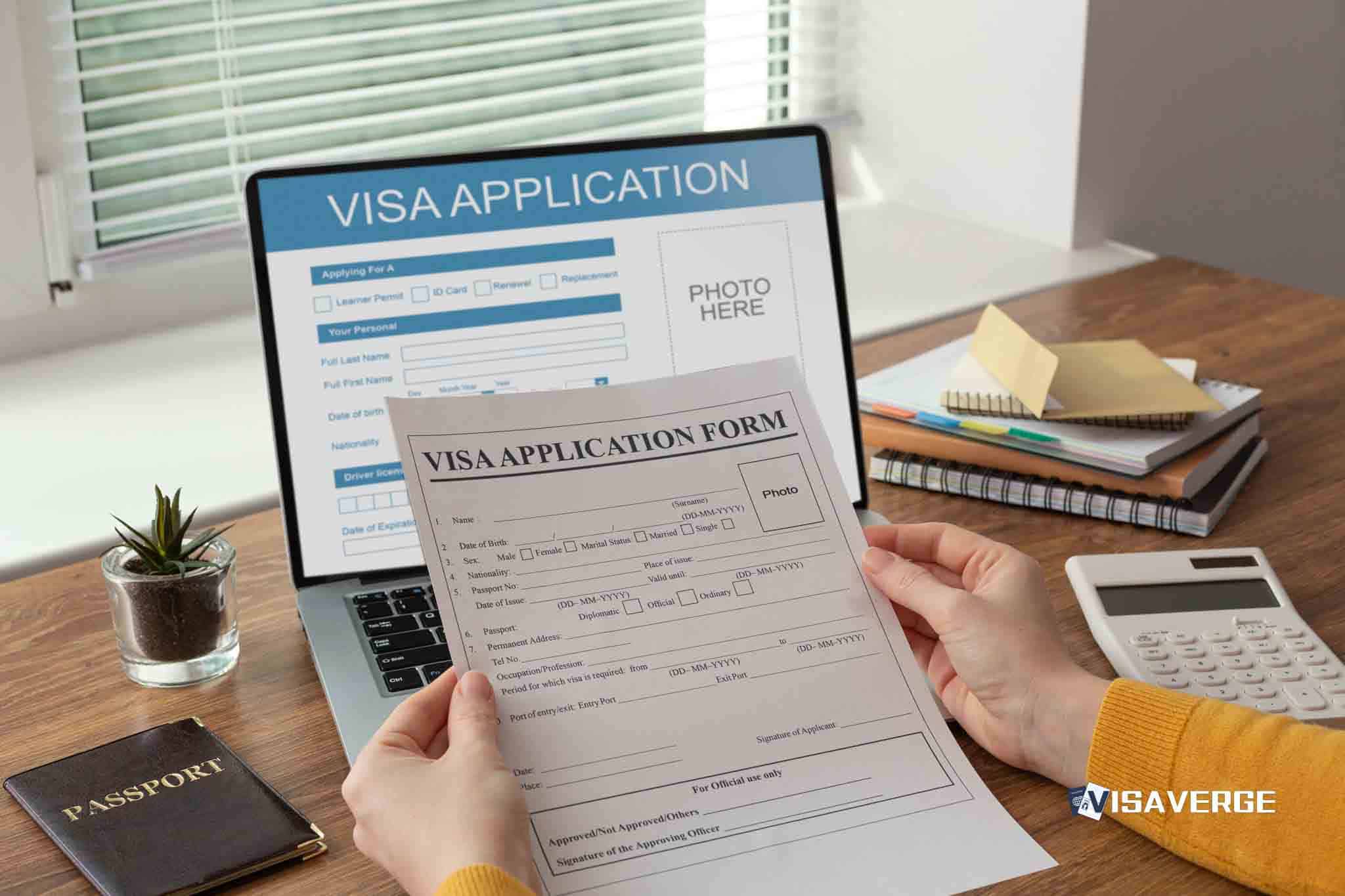
- The U.S. Mission warns applicants to verify information via official sites to avoid delays or application errors.
- Recent policy updates include expanded vetting procedures for several nonimmigrant visa categories starting in March 2026.
- Applicants must now bring all original documents to appointments or face immediate rescheduling and long delays.
(UNITED STATES) — The U.S. Mission advised visa applicants to verify travel and visa information through official government websites, warning that unofficial sources can lead to mistakes, delays and misinformation as rules and procedures change.
The advisory appeared in the mission’s social-media messaging on April 13, 2026 and directed applicants to the U.S. Department of State visa portal for current guidance. It targeted people seeking U.S. visas and stressed that categories, requirements and procedures can change.
Applicants were told to check Travel.State.Gov and confirm requirements with the nearest U.S. Embassy or Consulate before filing applications or making travel plans. The message placed official U.S. government guidance above embassy social posts, media reports, agents and online forums.
The Department of State’s main visa page says it provides information for foreign citizens seeking to travel to the United States. Travel.State.Gov’s visa-category directory says the purpose of travel determines the visa class and that applicants must establish eligibility for the category they seek.
That distinction carries practical weight in a system where a case can turn on the correct category, the required forms, interview instructions and post-specific procedures. Older articles and recycled advice often lag behind policy changes and local operating notices.
Country posts also issue separate notices that affect local processing. The U.S. Embassy in Nigeria’s visa information pages direct users to official visa resources and post mission-specific updates.
Late March 2026 brought another example of how quickly the process can shift. The State Department announced expanded screening and vetting for additional nonimmigrant visa classifications.
That update arrived after several other changes that altered how some applicants prepare for interviews. The sequence of changes explains why the U.S. Mission’s message focused less on a single rule and more on where applicants should verify current instructions.
One of those changes took effect on July 1, 2025. Immigrant visa applicants who arrive at their U.S. consulate appointment without all necessary original documents will not be interviewed and must reschedule.
The U.S. Embassy in Manila began applying that policy on May 19. Applicants who appear without required originals can face delays of several months before a rescheduled appointment.
Another update took effect on November 1, 2025. All immigrant visa applicants are scheduled for interviews in the consular district designated for their country of residence or, if requested, in their country of nationality, with limited exceptions.
A separate rule took effect on September 6, 2025. All nonimmigrant visa applicants should schedule interviews at the U.S. embassy or consulate in their country of residence or nationality.
Those dates show how official instructions can shape even basic planning decisions. A person who relies on older advice may choose the wrong post, appear without required originals or prepare for a process that no longer applies.
Visa categories add another layer. The Department of State’s public guidance covers category-specific requirements for common visa types, including visitor visas and student visas, and those rules are not interchangeable.
Students, workers, tourists and family-based applicants face different standards, forms and interview expectations. A mistake at the category stage can affect the rest of the case, from fee payment to the interview itself.
Local operating notices can also change the path of an application even when the national rule stays the same. A country post may issue its own instructions on document intake, appointment handling or other processing steps that apply only at that location.
The U.S. Mission’s advisory addressed that gap by steering applicants back to the primary source. In practice, that means checking the final rule, form, fee, eligibility standard and interview instruction on an official U.S. government site before paying money or arranging travel.
That process affects more than paperwork. People often act on information gathered from agents, discussion forums, old news articles and social-media posts, but those channels do not control how the Department of State classifies a visa or how a consular post runs an appointment.
Embassy social posts can still alert applicants to developments, and news coverage can point readers to changing policy. Neither replaces the instruction posted by the government office that will decide the case.
The warning from the U.S. Mission came as visa applicants continued to face a moving set of procedures across categories and posts. Expanded vetting in late March 2026, document rules that began on July 1, 2025, Manila’s implementation on May 19, and interview-location rules effective on September 6, 2025 and November 1, 2025 all point to the same reality: the current instruction sits with the official source, not with a copied post or an old piece of advice.
Before filing a case or booking a trip, applicants should confirm the visa class that matches the purpose of travel, review the current form and fee, and read the interview instructions for the specific embassy or consulate handling the case. The U.S. Mission’s message left little room for any other approach.