- The IRS issues identity verification letters to prevent tax refund fraud and confirm filer identity.
- Taxpayers must use only official channels specified in letters to avoid sophisticated phishing scams.
- Processing can take up to nine weeks after successful identity verification is completed.
(UNITED STATES) — The Internal Revenue Service sends identity verification letters to some taxpayers after a return is filed, telling them the agency must confirm the filer’s identity and return information before it will continue processing the return or issue any refund.
An IRS identity verification letter does not automatically mean an audit or fraud by the taxpayer. It usually means the IRS wants to confirm that the return came from the taxpayer, not an identity thief, and that the information on the return matches its records.
Free toolSubstantial Presence Test Calculator
Several notices fall into that category, including Letter 5071C, the CP5071 series notice, Letter 5447C, Letter 4883C and Letter 5747C. The online verification service applies only to a CP5071 series notice or Letter 5447C; other notices can require phone or in-person verification, depending on the instructions in the letter.
That distinction matters because taxpayers often receive scam texts, emails and calls that mimic official tax notices. The IRS says it does not initiate contact by email, text or social media to request personal or financial information, and taxpayers should not use links sent through those channels to respond to an IRS identity verification letter.
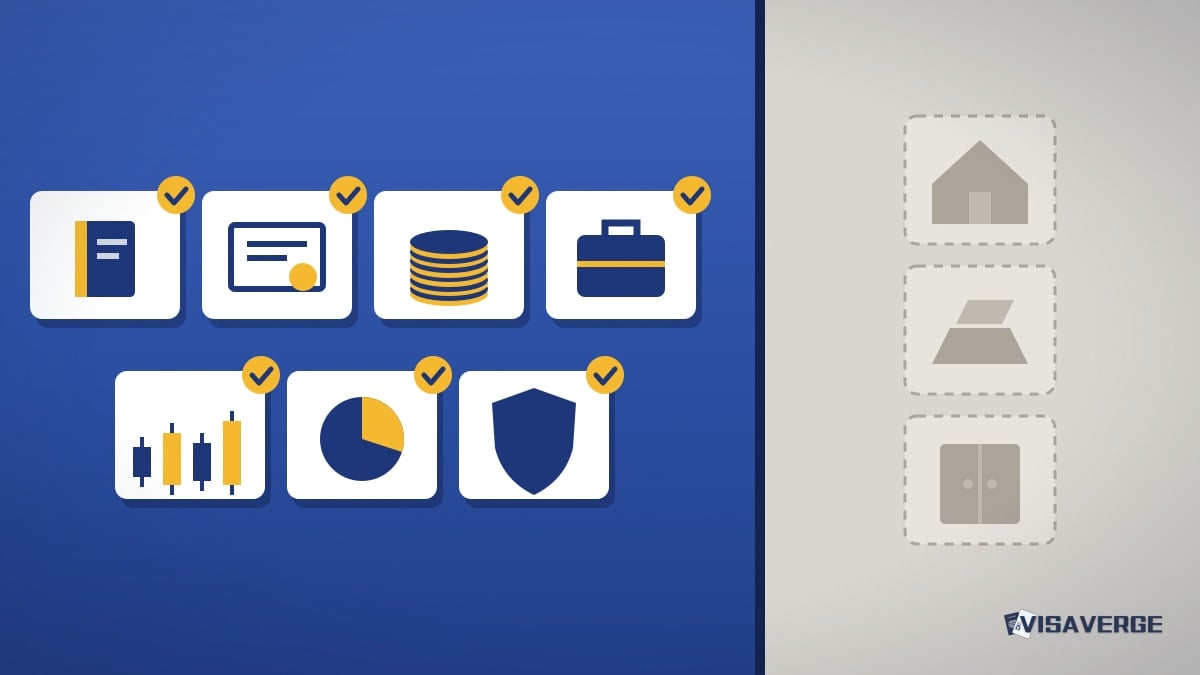
Before starting any verification, taxpayers need the notice itself and the original or amended Form 1040-series return for the tax year shown in the letter. If they do not have a copy of the return, tax software records or a preparer copy can fill that gap.
Some cases require more. The IRS says taxpayers may also need photo identification, Social Security card or ITIN records, a prior-year return, wage and income documents such as a W-2, Form 1099 or Form 1095-A, bank account details used on the return, the mailing address shown on the return, and any reference number listed on the notice.
Letter 5747C carries an added layer. Taxpayers who receive that notice can be required to verify in person and bring identity and address documents, including items such as a Social Security card, mortgage statement, lease, car title, utility bill, birth certificate or current school records.
Taxpayers who filed the return should follow the method listed in the notice and be ready to confirm details from the return. Questions can cover wages and withholding, refund amount, filing status, dependents, address, identity documents and information from a prior-year return.
Processing does not restart immediately after the identity check. The IRS says taxpayers should wait 2 to 3 weeks after using the verification service before checking refund status, and the return can take up to 9 weeks to process after verification.
Filing the same return again can make the delay worse. A duplicate return can create confusion while the IRS is already trying to match identity and filing information, so taxpayers are better served by following the letter and waiting the recommended period.
A different problem arises when the taxpayer did not file the return named in the notice. In that case, the letter can indicate that someone tried to file using the taxpayer’s Social Security number or Individual Taxpayer Identification Number, and the taxpayer should use the instructions in the notice to tell the IRS the return was not theirs.
The agency says taxpayers who did not file should also protect their IRS account, consider an Identity Protection PIN, monitor IRS correspondence, and check credit and financial accounts if personal information may have been exposed. Form 14039, the Identity Theft Affidavit, is not required unless the IRS tells the taxpayer to file it.
Scam pressure usually follows a familiar script. Messages may ask for an SSN, ITIN, bank account or card details; promise a faster refund; threaten arrest or deportation; warn “verify now or lose your refund”; or direct the recipient to a strange or misspelled link.
Those contacts should not get a response. The IRS says taxpayers should not click suspicious links, open attachments, or send personal information through email, text or social media, and should not pay anyone claiming they can unlock a frozen refund.
Suspicious IRS-related emails should be forwarded to [email protected] without replying, clicking links or opening attachments. People who receive suspicious calls or impersonation attempts should follow IRS reporting guidance and avoid sharing personal or financial information during the contact.
Immigrants, students and visa holders face a particular scam risk because impersonators often use threats tied to deportation, arrest or immigration status. The same rule applies: an unexpected email, text or social media message asking for tax verification is not the channel the IRS uses to start that contact.
ITIN filers have another set of checks to make while responding to an IRS identity verification letter. The IRS expects the ITIN to be entered correctly, the spelling of the name to match its records, the passport name to match the tax return, and the date of birth, mailing address, spouse or dependent ITINs, and filing status to line up with the filed return.
Taxpayers who once used an ITIN and later received a Social Security number should make sure future filings use the correct taxpayer identification information. A mismatch between the number on file and the number on the return can complicate verification even when the return was filed by the taxpayer.
Students and employment-based visa holders can face a separate filing mismatch that identity verification alone does not fix. F-1 students, J-1 visitors, H-1B workers and other visa holders may need to review whether they filed Form 1040 or Form 1040-NR, whether they were resident or nonresident for tax purposes, whether Form 8843 was required, whether Form 1042-S was included correctly, and whether any treaty claim or refund amount was entered properly.
Name, address and status changes can also trip up the process. Students and recent arrivals often move between campus housing, employer housing, apartments and states, and if the IRS mailed a notice to an old address, the taxpayer may not see the letter until processing has already stalled.
Recent movers should check mail forwarding, contact prior occupants where appropriate, update address records where needed, and keep copies of every notice received. State tax agencies maintain separate records, so a state address update does not necessarily update federal records.
Taxpayers who receive a Letter 5447C or a CP5071 series notice can use the online service listed in the letter, but other notices should be handled exactly as instructed. Letter 4883C and Letter 5747C may direct the taxpayer to verify by phone or in person rather than online.
That makes the notice number central to the response. A CP5071 series notice or Letter 5447C points to online verification, while a notice such as Letter 5447C or Letter 5747C can require a different route, and the taxpayer should not assume every IRS identity verification letter works the same way.
Taxpayers dealing with a CP5071 series notice, sometimes described as a CP5071 series notice or CP5071 series letter, should keep the notice and return together before beginning. The same preparation applies to anyone who receives Letter 5447C, since the online service asks the filer to verify both identity and return information.
People who filed their own returns should also keep software records, wage documents and bank details used on the return nearby before starting. Those records help answer the questions the IRS uses to compare the notice, the return and its account data.
Taxpayers should not ignore the letter, assume it is an audit, call random numbers found online, amend the return merely because verification is pending, or share documents over social media. They also should not visit an office without following the letter’s instructions, because some in-person cases require an appointment.
Once verification succeeds, the IRS continues processing the return, but not every refund arrives quickly after that step. Taxpayers should keep any confirmation they receive, wait 2 to 3 weeks before checking refund status, watch for further letters, avoid duplicate filing, and allow up to 9 weeks for processing after verification.
Anyone holding an IRS identity verification letter, whether it is Letter 5071C, a CP5071 series notice or Letter 5447C, faces the same basic task: respond through the official channel in the notice, keep the filed return and supporting records ready, and treat any email, text or social media request for tax verification as a scam.