- USCIS Director Joseph Edlow announced intensified fraud enforcement and retrospective reviews of past Green Card approvals.
- Financial self-sufficiency is now a central eligibility threshold for obtaining and maintaining lawful permanent residency status.
- New inter-agency tip lines involving ICE and CBP will facilitate investigations into previous and current immigration applications.
(UNITED STATES) — USCIS Director Joseph Edlow issued a warning on April 19, 2026, telling Green Card holders that the agency is intensifying immigration fraud enforcement and plans to review past approvals, add tip lines, and work more closely with federal enforcement partners.
Edlow tied that message to financial self-sufficiency, calling it a core factor in whether someone can obtain or keep lawful permanent residence. “If you cannot pay for yourself and take care of yourself, you are not going to get a Green Card in this country,” he said.
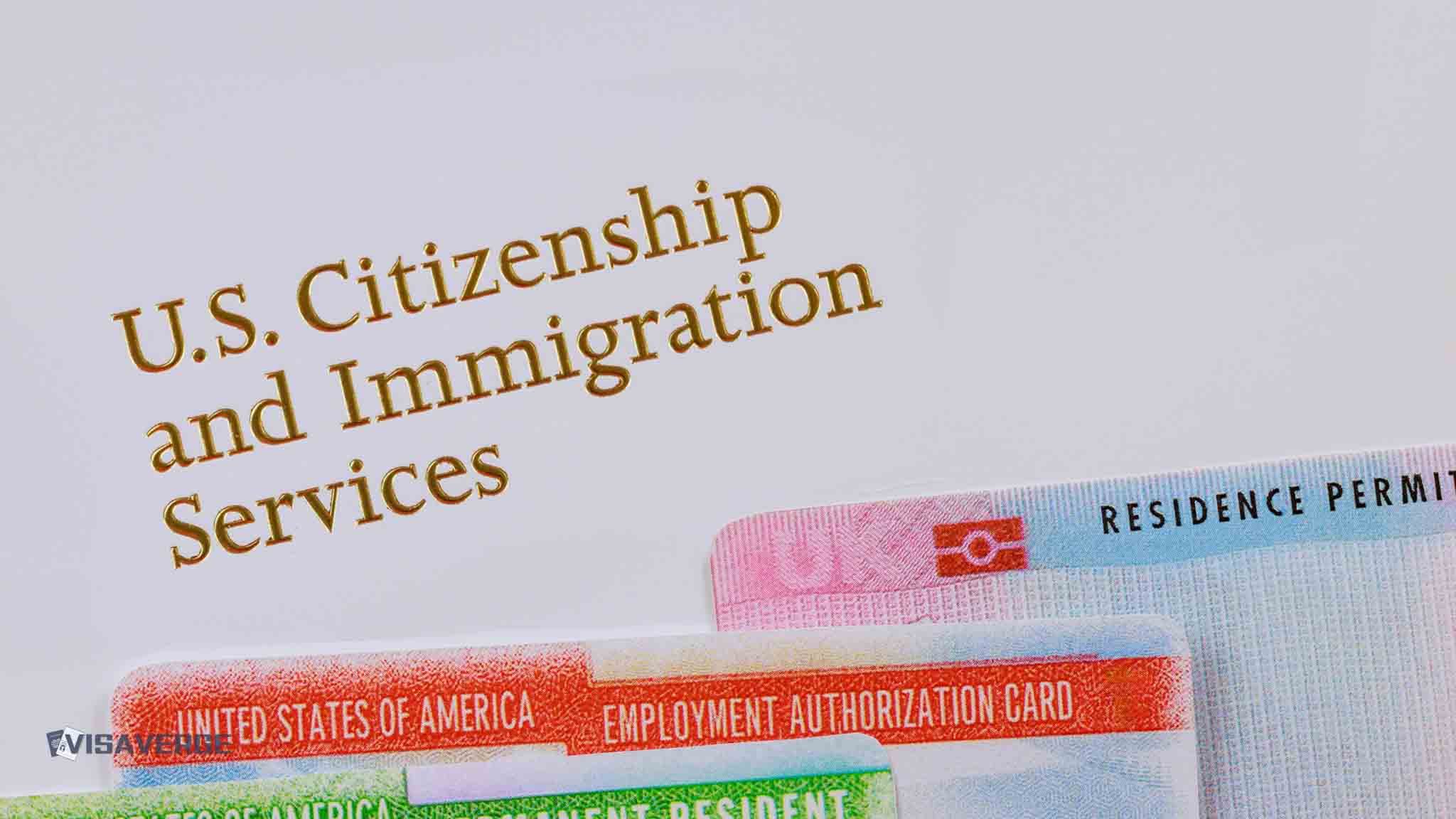
USCIS also plans to open new channels for reporting suspicious activity. In a post on X, Edlow wrote: “No tip is too small. We will look into it along with our partners at ICE and with CBP. People who are perpetrating fraud, STOP! Because we are going to find you. If you have already done it and you think you have gotten away with it, we are going back.”
The warning described a broader enforcement push inside the immigration system, with USCIS adding special agents and coordinating investigations with U.S. Immigration and Customs Enforcement and U.S. Customs and Border Protection. The effort reaches beyond new applications and into older benefit decisions that the agency now wants to revisit for fraud or ineligibility.
That review process, as described in the warning, would cover past Green Card and benefit approvals that officials believe should not have been granted. Edlow linked the effort to what he described as lax vetting during the Biden administration.
No official USCIS.gov announcement matching the warning appeared in recent Federal Register notices or American Immigration Lawyers Association postings as of April 20, 2026. At the same time, the administration has moved on parallel tracks that point to a wider federal focus on immigration fraud and benefits abuse.
One of those efforts came from the White House in March 2026, when it established a Task Force on fraud targeting immigration-related abuse in benefits programs. The task force sits alongside the USCIS warning and the promise of more cross-agency investigations.
Edlow’s remarks put unusual weight on self-support as a threshold issue for lawful permanent residence. The language did not frame financial independence as a secondary consideration or a paperwork detail; it put the question at the center of who qualifies to receive or keep a Green Card.
His warning also widened the scope of scrutiny. The message did not stop at future applicants or pending cases, but pointed directly at people who already received immigration benefits and believed those decisions were settled.
That matters in practical terms because lawful permanent residents often treat approval as the end of the immigration decision. The agency’s latest message signals that USCIS is willing to reopen older files if officers believe fraud or another disqualifying issue affected the original decision.
CBP enforcement trends add another layer for Green Card holders who travel. At airports, biometric tracking has been mandatory since a Department of Homeland Security rule took effect on November 20, 2025.
Border inspections have also included scrutiny of electronic devices. CBP searched 55,318 devices in FY2025, a figure that underscores the breadth of tools officers can use during airport encounters.
Travelers also face pressure in some cases to sign Form I-407, which records voluntary abandonment of lawful permanent resident status. Even with that pressure, only an immigration judge can revoke status.
That distinction leaves Green Card holders in a tense position during re-entry screening. Officers can ask questions, inspect devices, and press for paperwork, but the legal act of taking away permanent resident status does not rest with a front-line encounter alone.
The USCIS warning did not present the tip-line plan as a passive reporting tool. Edlow said USCIS intends to act on tips with ICE and CBP, expanding immigration fraud cases beyond the agency’s own adjudication process and into a larger enforcement network.
Adding special agents suggests a shift in how USCIS wants to pursue those cases. The agency historically serves as the benefits-granting arm of the immigration system, but this announcement leaned heavily toward detection, investigation, and possible revocation.
The message also carried a deterrent tone. Edlow’s statement, especially the line “we are going back,” told current and former applicants that older approvals are now part of the agency’s enforcement map.
Green Card holders now have two separate issues to weigh at once: the agency’s revived interest in past approvals and the operational reality of tougher screening at ports of entry. One tracks the paper record inside USCIS. The other unfolds at airports, where CBP already uses mandatory biometrics and broad inspection powers.
People who hold lawful permanent resident status and encounter a review or re-entry screening would need proof of U.S. ties and financial independence, based on the warning and related enforcement context. USCIS also said fraud reports should go through forthcoming tip lines once those become available.
Those instructions match the language Edlow used to define eligibility and enforcement. A record that shows ongoing residence in the United States, stable financial support, and the absence of false information would sit at the center of any agency review described in the warning.
The administration’s fraud focus now runs through several channels at once: USCIS reviews, ICE and CBP coordination, a White House task force, airport biometrics, device searches, and pressure campaigns around Form I-407. Green Card holders entered that picture directly on April 19, 2026, when Edlow told them the government would not limit immigration fraud enforcement to new cases, and would “go back.”