- U.S. consulates are now prioritizing World Cup travelers over international students for visa interviews.
- The new PASS system restricts appointment slots for F-1 and J-1 applicants during peak summer.
- Advocacy groups warn of missed academic enrollments and exchange program cancellations due to delays.
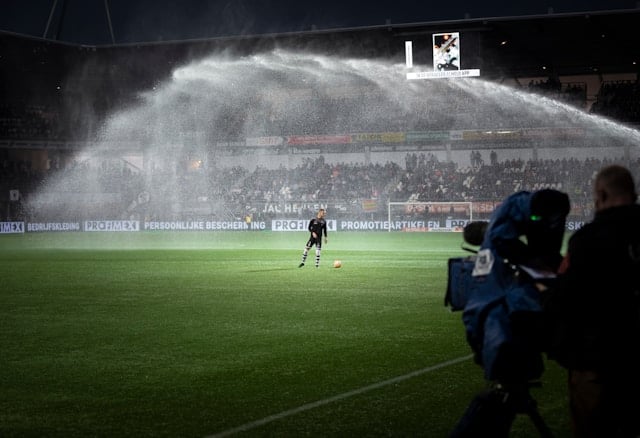
(UNITED STATES) — U.S. consular scheduling has begun prioritizing FIFA World Cup visa appointments, a shift that industry groups say is delaying student visa processing and pushing F-1 and J-1 applicants behind World Cup travelers this year.
Zuzana Cepla Wootson of the Presidents’ Alliance said the move away from prioritizing international student visas is “very concerning,” as schools and exchange programs enter the busiest period of the summer visa cycle.
The concern centers on a new FIFA Priority Appointment Scheduling System (PASS), which gives World Cup visitors priority access to visa interviews. That can reduce the number of interview slots available to students and exchange visitors seeking F-1 and J-1 visas.
The scheduling change follows a steep decline in student visa issuance after an earlier processing pause. Student visa issuance fell 36% year over year from June to August 2025, a drop that has intensified concern that another bottleneck during peak summer processing could leave applicants with little room to recover before academic programs begin.
Mark Overmann of the Alliance for International Exchange said J-1 applicants already face an “uphill battle” to secure interviews. His organization estimated that 19% of potential summer work-and-travel participants and nearly 6% of camp counselor participants were at risk of not even getting an interview.
Those figures point to a narrow problem with broad consequences. A lost appointment does not only delay travel; it can shut applicants out of a fixed program calendar, especially for exchange categories tied to summer start dates.
The timing is difficult for student and exchange visa applicants because PASS coincides with the months when consulates typically face heavy demand from incoming students. Interview capacity is finite, and a system that moves one class of travelers to the front of the line can leave less space for others.
That shift affects two groups that rely on predictable summer processing. F-1 applicants often need appointments in time for fall academic terms, while J-1 applicants in summer work-and-travel or camp counselor programs face start dates that can pass quickly if an interview slot never opens.
Wootson’s warning reflects concern across education groups that visa prioritization now favors a short-term event over longer-cycle educational travel. Her remarks came as organizations tracking consular access tied the current policy environment to the earlier 36% drop in student visa issuance from June to August 2025.
PASS, as described by those groups, functions as a priority interview system for World Cup travelers rather than a broader increase in appointment capacity. That distinction matters for applicants because the pressure comes from how existing slots are allocated, not from a new pool of interviews dedicated to students or exchange visitors.
Overmann’s estimates suggest the strain is already measurable in exchange categories that depend on fast summer processing. Nearly one in five potential summer work-and-travel participants and nearly one in sixteen camp counselor participants could fail to reach the interview stage at all if appointment access remains tight.
Schools and program sponsors often build calendars around the assumption that students and exchange visitors can secure interviews during the summer window. When that assumption breaks down, the result can be missed arrivals, deferred enrollment, or canceled seasonal placements.
The pressure is not spread evenly across visa types. Industry groups have focused their warnings on F-1 and J-1 applicants because those categories depend heavily on consular interview access and because summer is the period when demand peaks ahead of academic and exchange program start dates.
World Cup visitors, by contrast, now stand to benefit from faster access under the new scheduling system. PASS gives them priority interviews, a practical advantage that can come at the expense of applicants whose programs were already competing for limited appointment space.
The result is a new hierarchy in the visa queue at a sensitive moment. Student visa applicants, exchange visitors, and World Cup travelers are now drawing from the same scheduling system while demand remains concentrated in the summer months.
Country-level effects are likely to differ depending on how each consulate manages interview calendars and which visa categories dominate local demand. The core issue, though, remains the same across posts: when World Cup cases receive priority under PASS, fewer appointments remain for student and exchange visa applicants.
Applicants who need F-1 or J-1 visas now face a more compressed process than many expected at the start of the year. Early action carries more weight in that environment, especially where interview calendars open in limited batches and disappear quickly.
Consular scheduling updates have become a practical checkpoint for people trying to gauge whether appointments are loosening or tightening. Applicants with any flexibility may need to consider alternative timelines or backup plans if interview delays begin to threaten school reporting dates or exchange program starts.
That makes PASS more than a technical scheduling change. It is now a direct factor in who gets in front of a consular officer during the peak season for student and exchange visa demand.
Education and exchange groups have framed the issue in simple terms: priority access for one set of travelers can push another set back. With FIFA World Cup visa appointments moving to the front under the FIFA Priority Appointment Scheduling System (PASS), student visa applicants and J-1 participants enter the summer facing tighter calendars, fewer openings, and the risk that an interview never comes in time.