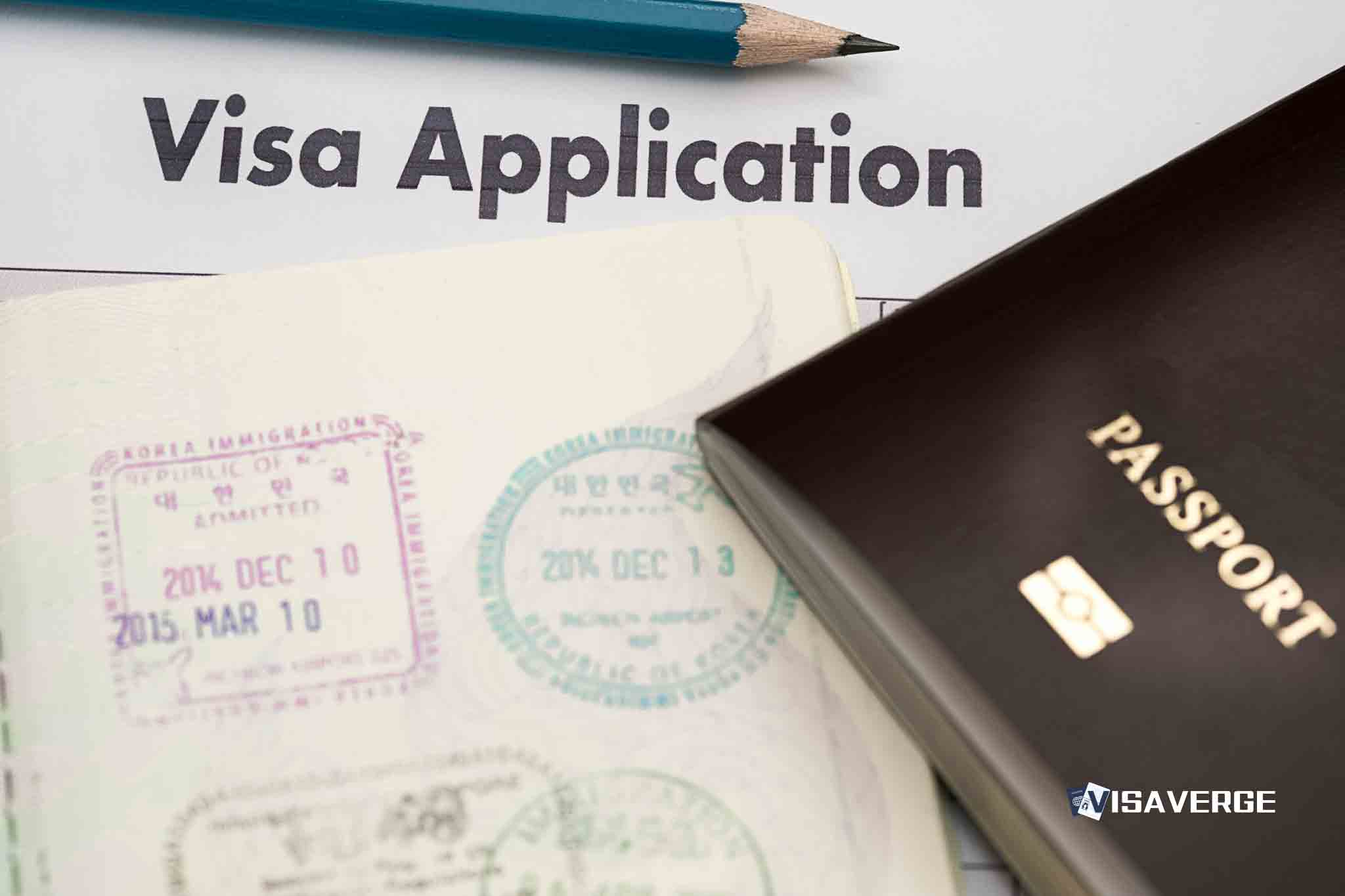
- Homeland Security is ending duration of status for international students, replacing it with a fixed four-year admission period.
- The new regulations shorten the grace period for graduates from sixty days down to only thirty days.
- More than 20,000 South Korean students face stricter oversight and mandatory extension filings for doctoral programs.
The Department of Homeland Security ended the duration of status system on July 16, replacing it with a fixed admission period of up to four years and putting more than 20,000 South Korean students on a tighter federal clock. The change takes effect Sept. 15, 2026.
The agency said the old system let students remain in the country as long as they stayed enrolled. It is over.

DHS Secretary Markwayne Mullin said the rule closes a system he described as open-ended and vulnerable to abuse.
"For nearly half a century, the outdated 'duration of status' system has compromised national security and created an environment ripe for immigration fraud. For decades, foreign students have been admitted into the U.S. indefinitely, allowing thousands to abuse our immigration system by perpetually enrolling in courses to avoid having to leave the U.S."
"By implementing clear, finite limits on these visas, the United States is reclaiming its ability to properly screen, vet, and monitor individuals within our borders. This final rule ensures that foreign students remain focused on their primary purpose: completing their studies and returning home."
The rule applies to current visa holders as well as new arrivals. A transition period remains in place. After it runs out, students already in the country will be limited to four additional years from the effective date, with the cap running no later than November 14, 2030.
The Korean Embassy’s 2025 data puts the affected population at more than 20,000 when it counts F-1 students, J-1 exchange visitors and dependents. Many of those students are in doctoral programs that usually take five to seven years. Some medical residents face the same squeeze.
The grace period shrinks, and transfers get tighter
The rule also shortens the post-graduation grace period for F-1 students. It falls from 60 days to 30 days. That gives students less time to leave, transfer, or line up a new academic step.
DHS also said it will tighten limits on changing majors or moving to another school. The department framed that step as a way to stop "forever students" who switch programs to stay longer. Short stays now have sharper edges.
Four years can run out before the diploma arrives
For Ph.D. candidates and medical residents, the four-year ceiling can arrive before the program ends. Many of those degrees stretch well past that mark. That leaves students with another filing to manage.
Those who need more time must apply for an Extension of Stay (EOS) with USCIS. The process moves oversight away from university staff and into federal hands. Applicants will face biometric vetting, background checks, and fraud screenings.
The agency says that shift raises the bar for extensions. It also adds paperwork and fees. The old university-led process is gone.
Students who miss the extension route can run into serious trouble before finishing school. The government must still approve the petition. It is not guaranteed.
The final rule follows the agency’s broader effort to put a fixed end date on student admissions. For those already inside the country, that countdown continues until the transition period expires, but never beyond November 14, 2030.