- Fitch Ratings warns that new four-year visa caps threaten international enrollment and tuition revenue for U.S. colleges.
- The Department of Homeland Security is ending duration of status to implement fixed-term admissions and biometric vetting.
- New rules taking effect September 15, 2026, will shorten grace periods and require extensions for longer degree programs.
Fitch Ratings warned on August 4 that new U.S. visa limits could cut international enrollment and strain college revenue after the Department of Homeland Security issued a rule ending the old student admission model. The clock is ticking.
DHS Secretary Markwayne Mullin defended the change as a national security move on July 16.
Free toolOPT Timeline Calculator Online
“For nearly half a century, the outdated 'duration of status' system has compromised national security and created an environment ripe for immigration fraud. For decades, foreign students have been admitted into the U.S. indefinitely, allowing thousands to abuse our immigration system by perpetually enrolling in courses to avoid having to leave the U.S. By implementing clear, finite limits on these visas, the United States is reclaiming its ability to properly screen, vet, and monitor individuals within our borders.”
The department then moved to fixed admissions. F-1 academic students and J-1 exchange visitors will no longer enter under an open-ended stay. Instead, each admission is capped at four years. Paperwork follows.
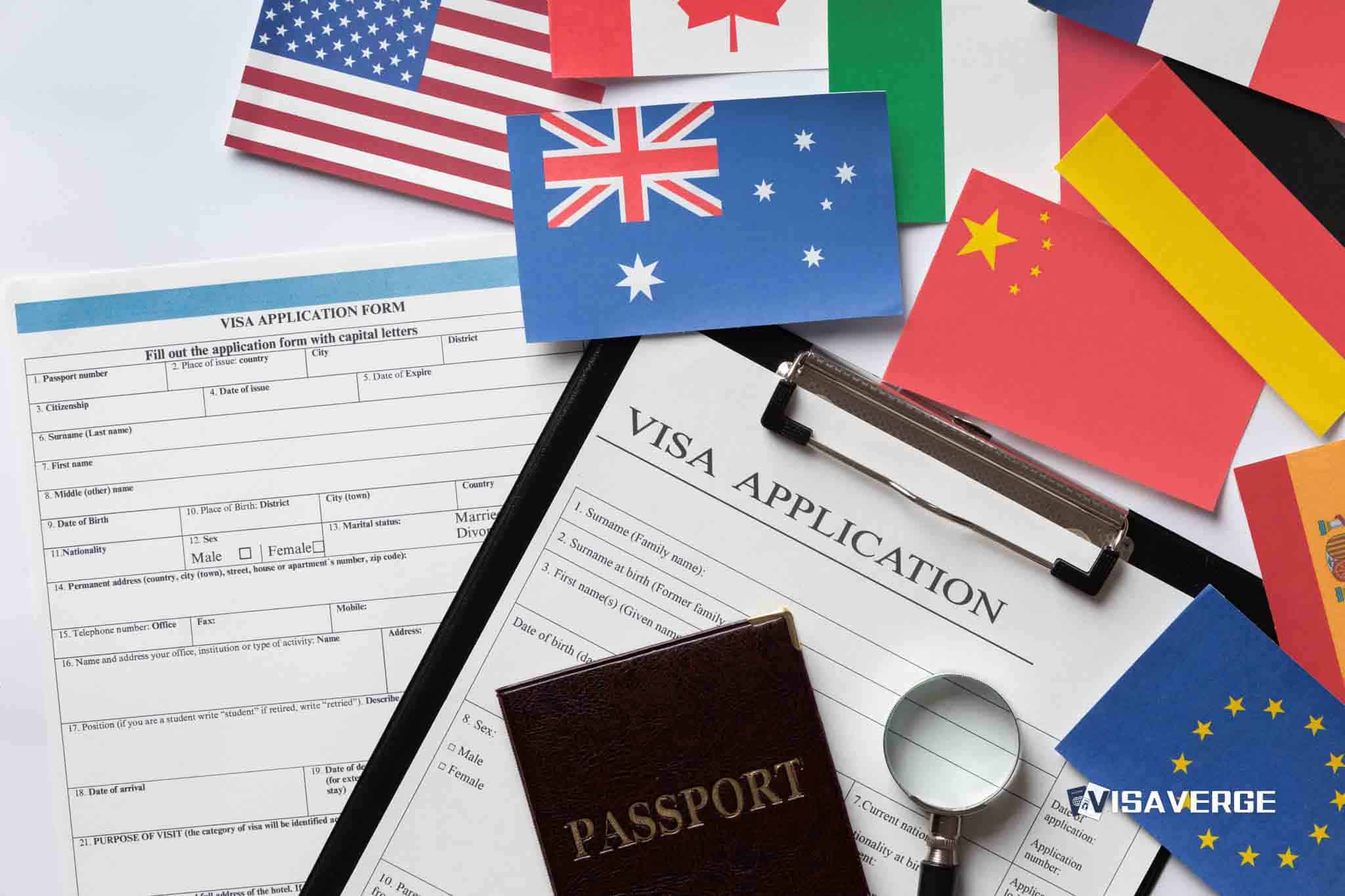
Students who need more time must apply for an Extension of Stay on Form I-539. The filing carries a fee currently about $470 and requires biometric vetting, including fingerprints and photos. The rule takes effect September 15, 2026.
The new policy also shortens the post-program grace period for F-1 students from 60 days to 30 days. Undergraduates face tighter limits on changing majors in the first year, while graduate students may need an exemption for “extenuating circumstances” to switch programs. That narrows room to maneuver.
Fitch said colleges with foreign enrollments above 10-15% face the sharpest risk. Those students often pay full tuition and receive less institutional aid. Lost revenue is hard to replace quickly.
Programs that run beyond four years face extra pressure too. PhD tracks and medical residencies usually need more time, which raises administrative costs and complicates recruitment. Recruiting them costs more.
Backlogs could turn filing rules into a second hurdle
USCIS estimates the new rule could generate up to 400,000 additional petitions each year. That volume could slow processing and create “status gaps” for students waiting on approvals. Schools and lawyers will also face a stricter filing standard under Policy Alert PA-2026-05.
The alert says benefit requests, including student extensions, may be denied without a Request for Evidence if they are missing required initial documentation. The agency said that reinforces the burden on applicants to establish eligibility at filing. The line is strict.
Some current students get years, but not an open-ended stay
Industry reports suggest the U.S. could lose up to 150,000 international students by the 2026-27 academic year. The higher education sector could lose $7 billion in revenue. Not everyone gets that runway.
Students already in the country under the old rules may stay until their program ends. No one keeps that status beyond November 14, 2030 without moving to a fixed-term extension. The deadline is still years away.