- The United States is ending open-ended stays for international students starting September fifteenth, twenty twenty-six.
- New regulations impose a four-year admission limit on F-one and J-one visas to prevent immigration fraud.
- Indian student enrollment dropped nearly seven percent ahead of new biometric requirements and shorter grace periods.
Indian students kept heading to U.S. campuses even as the department moved to cap student stays and phase out the "duration of status" system. The new rule takes effect on Sept. 15, 2026.
DHS Secretary Markwayne Mullin cast the change as a security step. He framed it as security work.
Free toolOPT Timeline Calculator Online
"For nearly half a century, the outdated 'duration of status' system has compromised national security and created an environment ripe for immigration fraud. For decades, foreign students have been admitted into the U.S. indefinitely, allowing thousands to abuse our immigration system by perpetually enrolling in courses to avoid having to leave the U.S. By implementing clear, finite limits on these visas, the United States is reclaiming its ability to properly screen, vet, and monitor individuals within our borders."
The department says the old model is over.
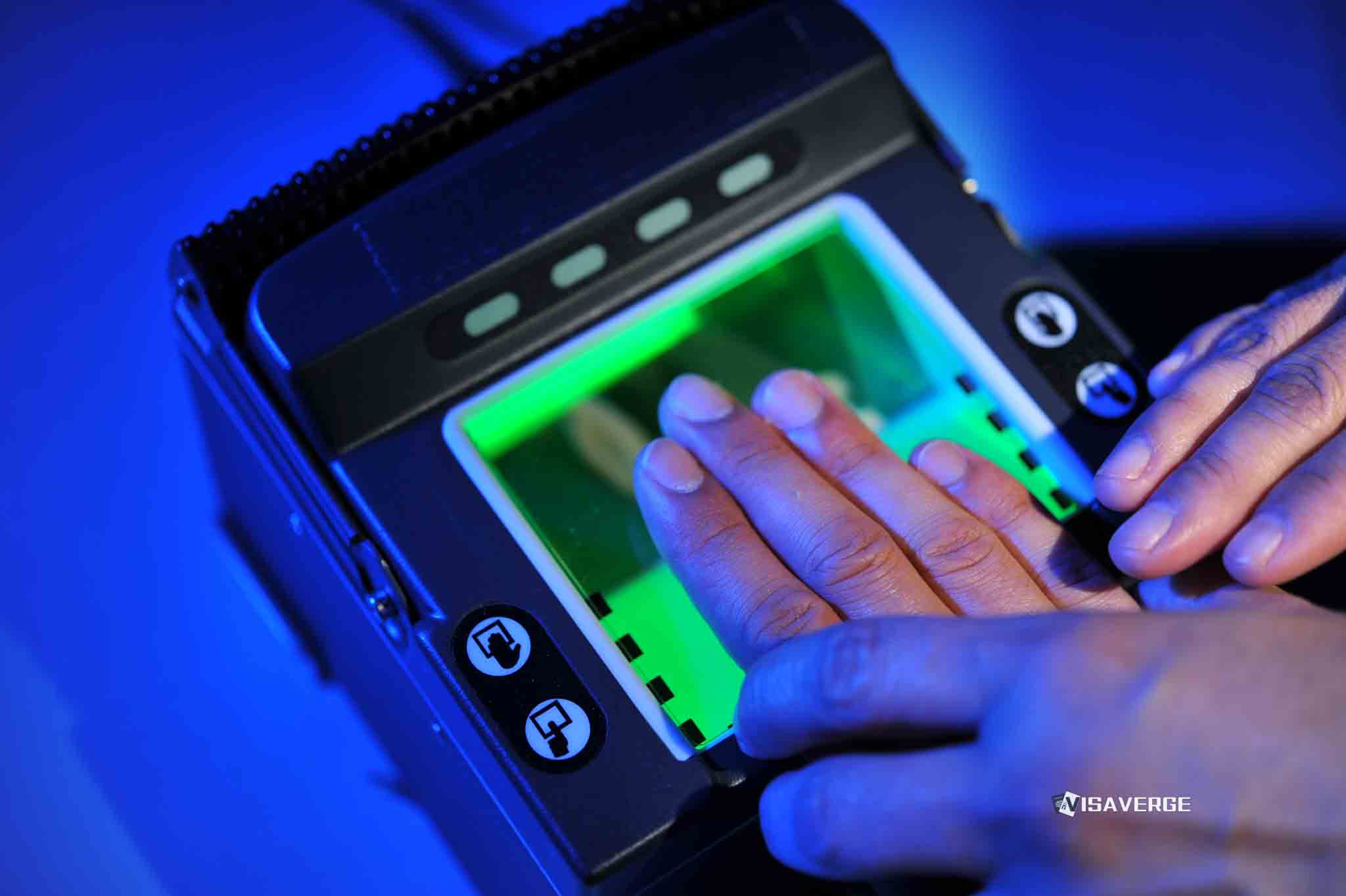
DHS published the final rule on July 17, 2026. It sets a four-year admission limit for F-1 and J-1 visas, and students who need longer must file Form I-539 with USCIS. That filing brings biometrics and fees.
The same rule shortens the post-graduation window from 60 days to 30 days. Profiles must be public. Applicants also have to list every social media username used in the last five years. Missing the line can now mean visa revocation or deportation, and the department says traffic offenses or falling below full-time course loads can trigger action too.
A May 22 memo pushed permanent-residence cases farther from the U.S. inside track. USCIS spokesman Zach Kahler said:
"Nonimmigrants, like students, temporary workers, or people on tourist visas, come to the U.S. for a short time and for a specific purpose. Our system is designed for them to leave when their visit is over. Their visit should not function as the first step in the Green Card process."
The memo shifts the route. Policy memorandum PM-602-0199 treats Adjustment of Status, or AOS, as extraordinary relief. Most students and H-1B workers now face consular processing in India, except in rare cases.
India's numbers cooled after the peak
India became the largest source of international students in the U.S. in the 2024-25 academic year, with a record 363,019 students, according to Open Doors 2025. The peak came in late 2024. By February 2026, Indian enrollment had fallen 6.9% to 352,644, according to DHS data cited by the Indian Ministry of External Affairs.
The projections point to a smaller fall intake
NAFSA projects a fall 2026 decline of 111,000 international students, or 9.5%. It says the loss could reach $3.4 billion for the U.S. economy. NAFSA made the projection.
The new clock starts in September
The countdown begins then. Students who need more time will have to seek an extension through USCIS, and the filing will again require biometrics and fees.