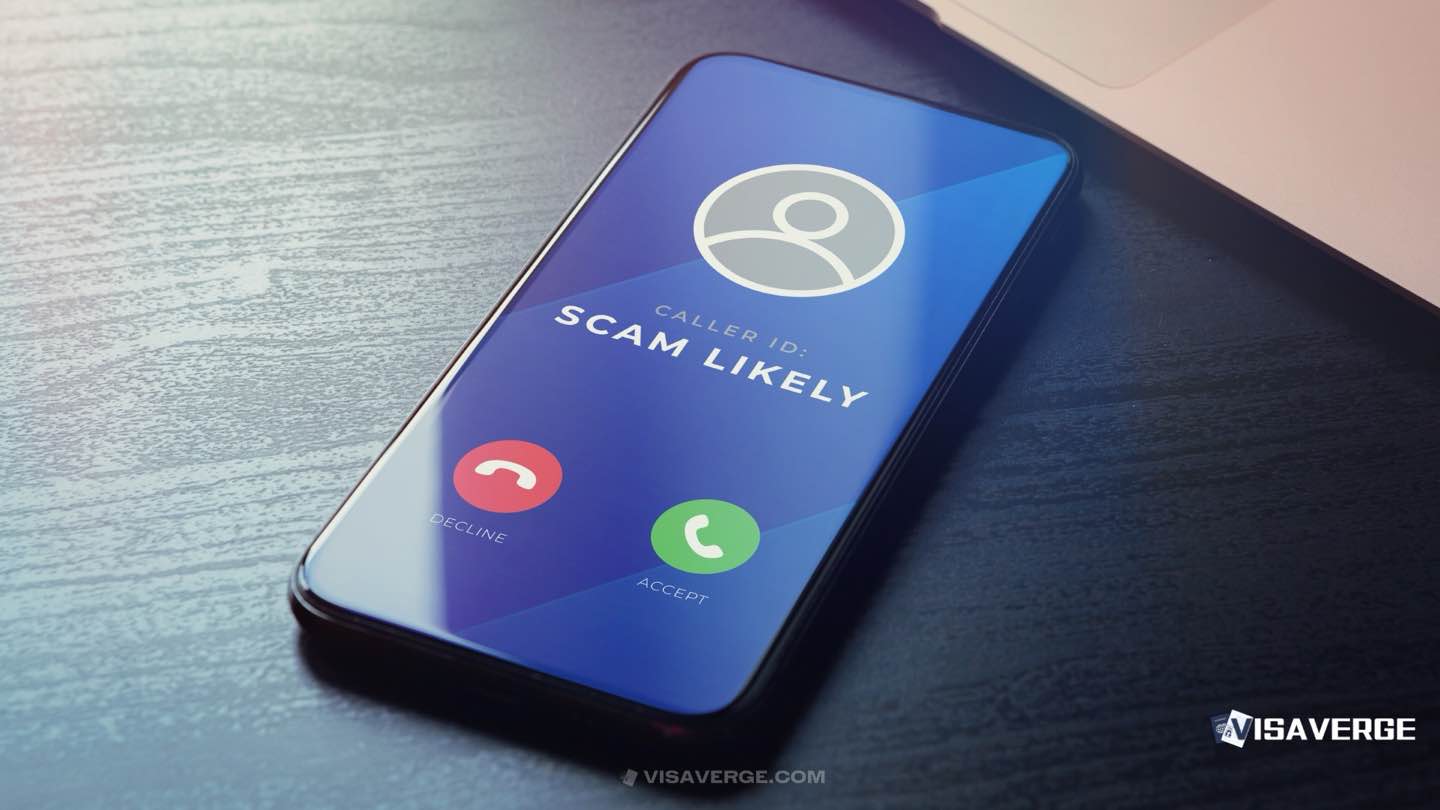
- Singapore authorities warned of a social media scam targeting Permanent Residency applicants on April 22, 2026.
- Police reported 24 cases and S$397,000 in losses, with victims pushed to pay fake fees for investments and donations.
- Officials urged applicants to use official channels and call 1799 ScamShield before sending any money.
(SINGAPORE) — The Singapore Police Force and the Immigration & Checkpoints Authority issued an urgent warning on April 22, 2026 about a social media scam targeting people seeking Singapore Permanent Residency, as U.S. immigration authorities stepped up separate fraud enforcement this month.
Police said at least 24 cases had been reported since January 1, 2026, with total losses of about S$397,000 (US$291,000). The warning described a scam that begins with online offers to improve an applicant’s chances of getting PR approval.

Fraudsters have used ads on Facebook and Instagram, then pushed victims to pay invented charges tied to “investments,” “academic certifications,” or “charitable donations.” Some victims received fake documents bearing ICA letterhead and forged signatures, along with sham shareholder certificates linked to the Accounting and Corporate Regulatory Authority, or ACRA.
Cases have also moved offline. Police said some victims were told to meet unknown people in person and hand over cash.
The warning placed Singapore’s scam wave in a wider pattern of immigration fraud that now stretches across borders and platforms. U.S. Citizenship and Immigration Services has issued its own warnings in April, while officials in Singapore and elsewhere have pointed to tighter scrutiny of scams that exploit migrants, applicants, and permanent residents.
On April 21, 2026, Singapore police arrested a 15-year-old Malaysian teenager for suspected involvement in laundering proceeds from the PR scam. He was charged on April 22, 2026 with assisting another to retain benefits from criminal conduct.
The Singapore Police Force, or [SPF](https://www.police.gov.sg), and the [Immigration & Checkpoints Authority](https://www.ica.gov.sg), or ICA, urged the public not to send money to strangers or rely on unsolicited offers tied to immigration outcomes. “Members of the public should not transfer money or pass cash to unknown persons. If you are in doubt, call the 24/7 ScamShield Helpline at 1799.”
Authorities said the scam has taken a heavy toll on applicants. Individual losses ranged from a few thousand dollars to more than S$80,000, with some victims losing what officials described as their life savings.
Victim Care Officers in Singapore have reported serious trauma among those caught in the scheme. The damage can extend beyond money, because applicants who submit forged documents supplied by sham consultants can face future barriers to residency.
In the United States, USCIS Director Joseph Edlow issued a warning on April 20, 2026 aimed at Green Card holders and applicants as the agency widened its anti-fraud push. “People who are perpetrating fraud, STOP! Because we are going to find you. If you have already done it and you think you have gotten away with it, we are going back. No tip is too small.”
That enforcement drive included the April 10, 2026 arrest in Los Angeles of Young Joo Ko, 59, a lawful permanent resident accused of posing as a medical professional and creating fraudulent medical examination forms for Green Card applicants for a fee. USCIS has also rolled out stronger screening rules under Executive Order 14161, issued on March 30, 2026, which expanded social media and financial vetting to “root out fraud in the immigration system.”
The timing follows the Global Fraud Summit 2026, held March 16–17 in Vienna, where Singapore and international partners pledged to close gaps used by transnational scam syndicates. Officials have said those operations increasingly rely on convincing digital deception, including AI-generated documents and deepfakes used to mimic government officials during virtual “interviews” on Zoom or WhatsApp.
Private companies have also come under pressure as immigration scams spread through mainstream platforms. On April 17, 2026, Meta pledged to remove imposter accounts on Facebook and WhatsApp that targeted immigrant populations with fake legal and residency services.
The mechanics of the Singapore scam fit that pattern closely. A person scrolling social media sees an ad promising help with a PR application, makes contact, then receives instructions that appear formal and bureaucratic. The paperwork looks official. The payment requests keep coming.
Police and immigration officials said those requests can be framed as necessary steps to strengthen an application, even though they have no role in the actual PR process. False claims about investments, charitable giving, or academic credentials give the scheme a veneer of legitimacy while moving victims toward larger transfers.
Forged government branding gives the fraud another layer of credibility. Fake ICA documents and fabricated ACRA certificates can persuade applicants that their case is moving through official channels, even when they are dealing with criminals.
Physical cash collection raises the risk further because it strips away the audit trail that can come with bank transfers. Once money changes hands in person, recovery becomes harder and the victim may realize the deception only after the supposed consultant disappears.
Singapore authorities directed people to use official channels rather than third parties making promises about approvals. Public information and scam advisories are available through the [ScamShield website](https://www.scamshield.gov.sg), while immigration updates in the United States are posted by [USCIS in its newsroom](https://www.uscis.gov/newsroom).
The warning from the Singapore Police Force and ICA carried a simple test for would-be applicants: any demand for money to unknown persons, any request for cash handover, and any document that arrives through unofficial contacts should trigger immediate suspicion. In a fraud market built on urgency and hope, the strongest detail in the official notice was also the plainest one: call 1799 before paying.