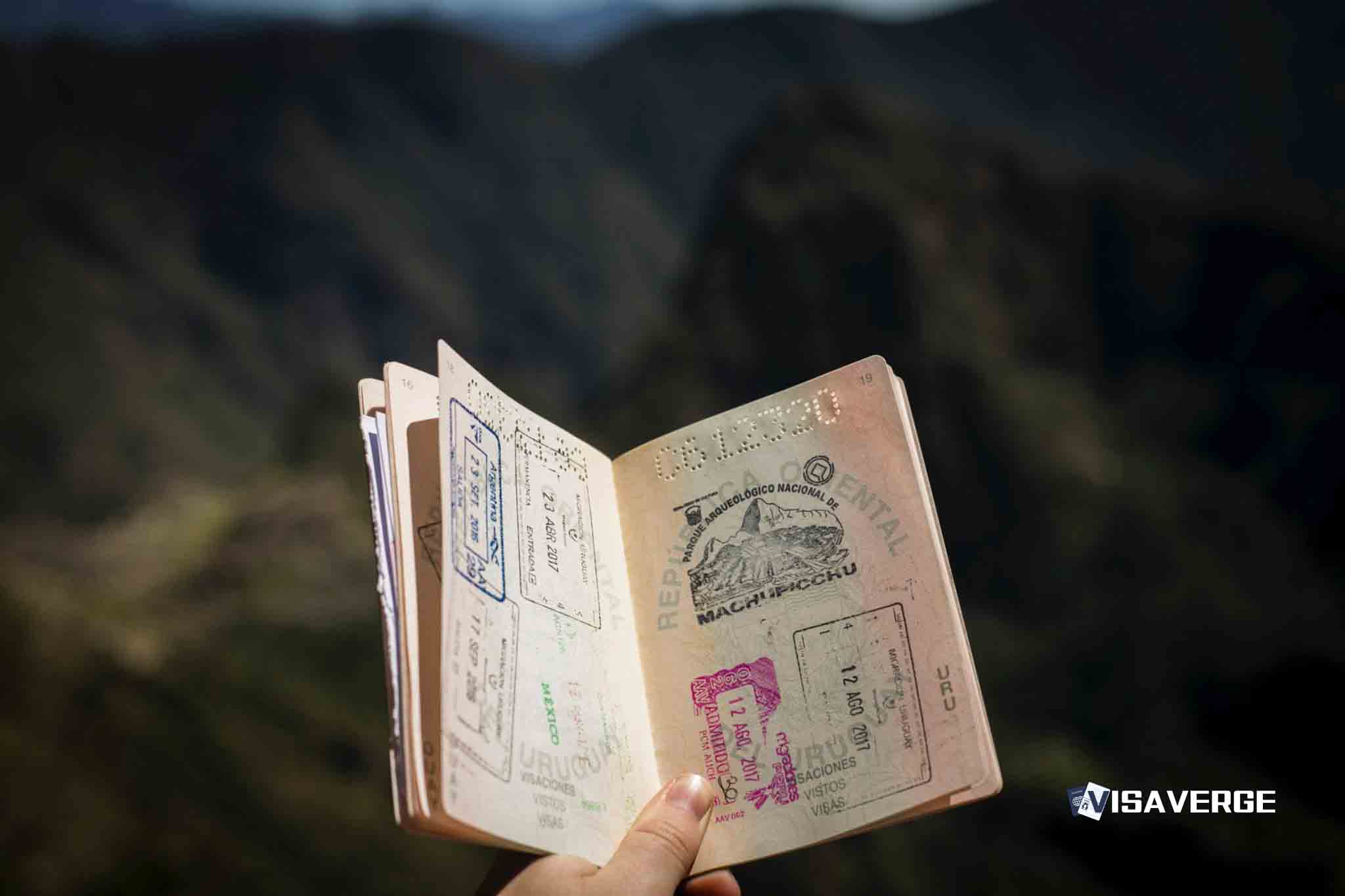
- Greece has exempted British passport holders from mandatory EES biometric fingerprinting and facial scans at border points.
- The exemption benefits thousands of Australians who travel using British passports, allowing them to bypass new entry rules.
- EU officials are challenging the legality of this country-specific carveout as it contradicts standardized Schengen border policies.
(GREECE) — Greece granted British passport holders an exemption from biometric fingerprinting and facial scans at its border crossing points as the European Union’s Entry/Exit System took effect, opening a narrow loophole for Australians who travel on a UK passport when they enter the country.
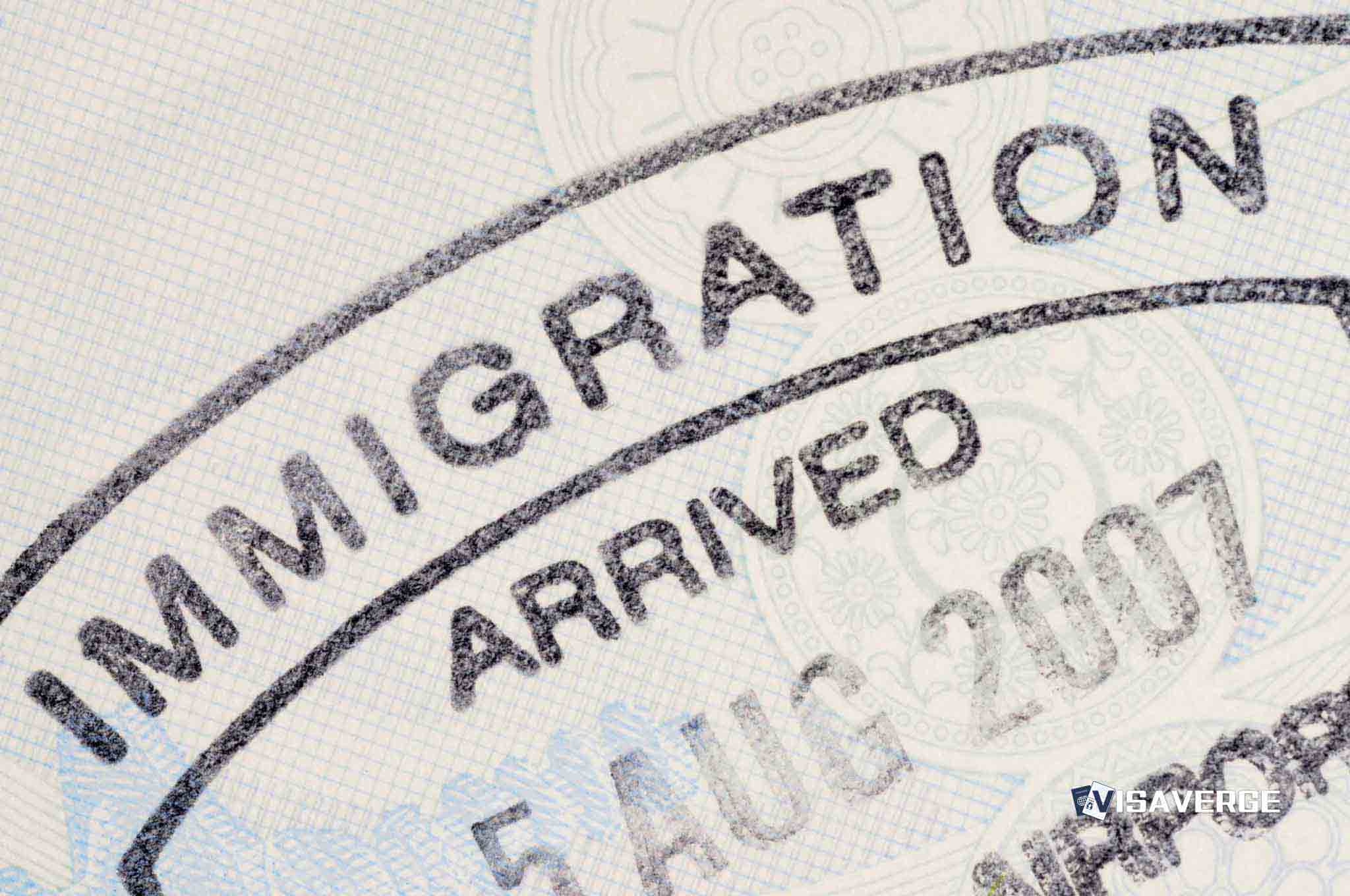
The Greek Embassy in London announced on April 18, 2026 that “British passport holders are exempt from biometric registration at Greek border crossing points” as part of the new system’s rollout. The exemption took effect from April 10, 2026 and allows the traditional passport stamp procedure at Greek airports and seaports.
Australians who hold British citizenship, or who can claim it and travel on a British document, fall within that carveout when arriving in Greece. Estimates cited in the announcement put the number of Australians who hold or are eligible for British passports at 200,000–300,000.
The arrangement is limited. Greece applies it at its own entry points, but other Schengen countries still require full EES biometric checks from UK nationals.
That distinction matters in practice because the Entry/Exit System began across the EU for third-country nationals on April 10, 2026. British travelers entering most of the Schengen area must provide the new data set, while Greece has kept British arrivals on the older stamp-based process.
Greek National Tourism Organisation UK Director Eleni Skarveli said the exemption will “significantly reduce waiting times and ease congestion at airports,” with processing times returning to 10–15 minutes. Her comment points to the immediate operational effect at busy Greek arrival points as border officers avoid the extra enrollment step for British documents.
Travel companies moved quickly to present the change as a practical simplification rather than a new hurdle. Jet2holidays, easyJet Holidays and TUI told customers that no extra steps were needed beyond making sure passports remain valid for three months beyond the stay.
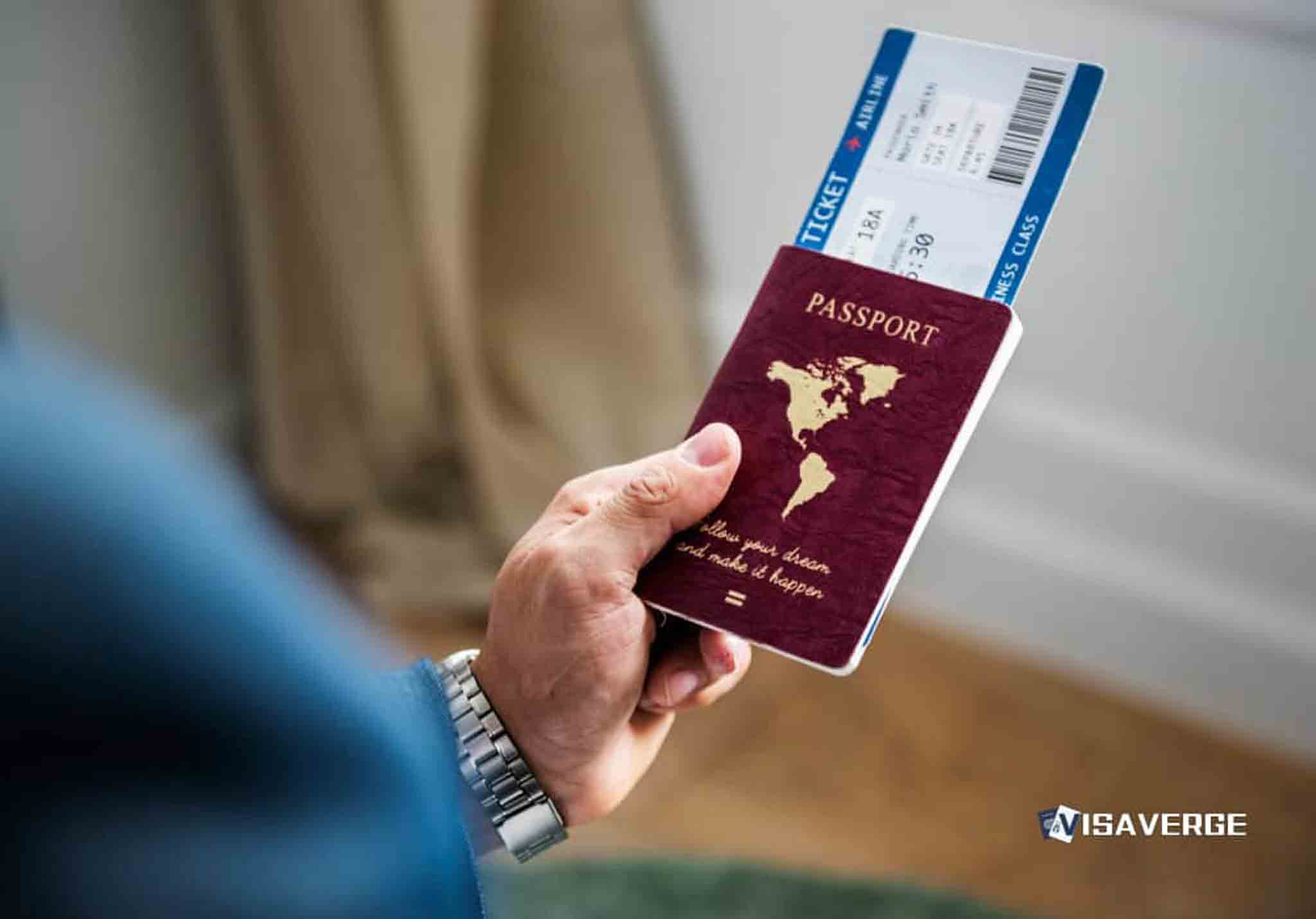
Passengers arriving in Greece on a British passport therefore return to a familiar process: the document is stamped rather than used for biometric enrollment. At airports and seaports, that means no facial scan and no fingerprint capture under the Greek exemption.
The loophole will be especially relevant to dual nationals from Australia, where British citizenship by descent remains common. A traveler who can present a British passport at a Greek border can bypass the EES registration that would otherwise apply to an Australian passport holder arriving as a third-country national.
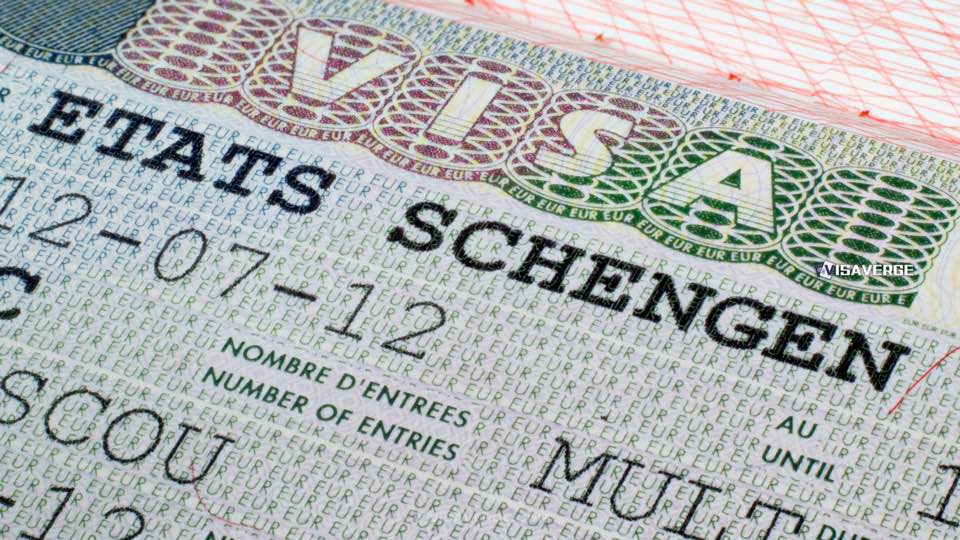
Nothing in the Greek measure changes the Schengen area’s stay limits. UK passport holders, including Australians using one, still face the 90/180-day rule, which allows a maximum of 90 days in any 180-day period across 29 Schengen countries for holidays or business, but not work without a visa.
That means the document used at the checkpoint can change the entry procedure in Greece, but not the underlying immigration rules for time spent inside the Schengen zone. A British passport can avoid biometric registration at a Greek crossing point; it does not create extra days in Europe or permission to work.
The exemption also sits uneasily with the wider EU legal structure behind the new border regime. EU officials have raised concerns that the bloc’s legal framework does not permit exemptions for specific third-country nationals, and discussions with Greece are continuing.
No decision has been announced on whether those discussions will force Greece to withdraw or alter the measure. The embassy notice said the policy remains in place until further notice.
That leaves the current position unusually narrow and country-specific. British passport holders receive the exemption in Greece, while the same travelers can still face full EES biometric procedures when they cross into other Schengen states.
The split creates a rare gap inside a system designed to standardize external border checks. In one Schengen country, British arrivals move through with a stamp; in another, the same nationality can be enrolled through biometric fingerprinting and facial scans.
Australians stand out because a large pool can access that route without changing their travel plans beyond the passport they present. The estimate of 200,000–300,000 eligible or current British passport holders in Australia suggests the Greek measure reaches far beyond British tourists departing from the United Kingdom.
Much of that group consists of people with dual nationality or inherited citizenship rights, often through parents or grandparents. Greece’s decision turns what is usually a nationality technicality into a border advantage at the point of entry.
Travel firms have kept their guidance simple. Customers heading to Greece were told to check the passport validity rule and proceed as normal, without additional enrollment steps tied to EES at the Greek frontier.
That advice reflects the way the exemption operates on the ground. It does not ask travelers to pre-register, complete a special form or seek advance approval; the benefit comes from presenting a British passport at a Greek airport or seaport covered by the embassy’s announcement.
Greece has not extended the measure beyond British passport holders, and no confirmation has been issued on whether other nationalities could receive similar treatment. The EU’s objection to nationality-based exemptions makes any broader rollout uncertain.
The sequence of dates has sharpened attention on the policy. The EU-wide EES launch came on April 10, 2026, and the Greek Embassy in London set out the exemption publicly on April 18, 2026, eight days after the system began operating for third-country nationals.
Those dates left travelers and tour operators to absorb two messages at once: the bloc had started a new border regime, and Greece had carved out an exception for British documents inside it. In a system built around uniform checks, that was enough to create confusion as well as opportunity.
Greek officials framed the move in practical terms, pointing to shorter queues and less congestion. Brussels framed it as a legal problem, saying the rules do not allow member states to exempt specific third-country nationals from the biometric process.
Until that dispute is resolved, the position for travelers is straightforward. A person entering Greece on a British passport can use the traditional stamping process, while the rest of the Schengen area continues to apply the full EES regime to UK nationals.
That makes Greece an outlier at the EU’s external border and gives British passport holders, including many Australians, a temporary way around one of Europe’s newest entry requirements. Whether that loophole survives the talks between Brussels and Athens remains unresolved, but for now the stamp still stands.