- The FAA is investigating a close call between JetBlue Flight 1256 and a Beechcraft 76 trainer.
- The incident occurred on June 1 near Fort Lauderdale-Hollywood International Airport during active operations.
- Investigators are reviewing aircraft separation and communication to prevent future near-collisions in congested airspace.
(FORT LAUDERDALE, FLORIDA) — The Federal Aviation Administration is investigating a close call near Fort Lauderdale–Hollywood International Airport involving JetBlue Flight 1256 and a flight school-owned Beechcraft 76, after the two aircraft came into dangerous proximity during operations near the airport.
The incident happened just after 6 p.m. on June 1. The FAA confirmed it is reviewing what happened.
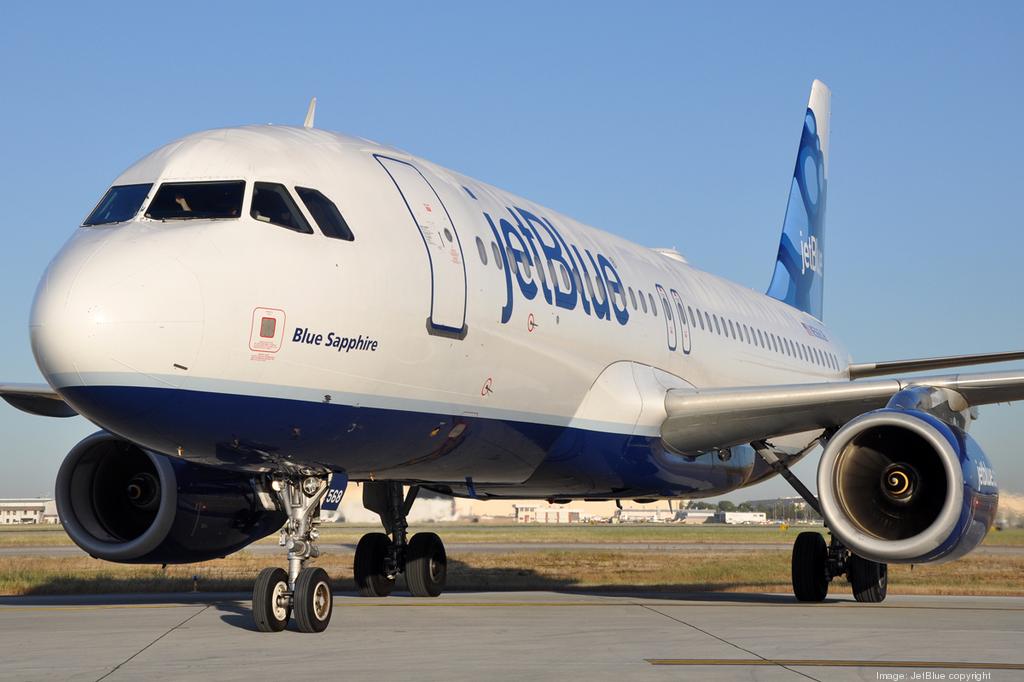
JetBlue Flight 1256 was the passenger jet involved. The other aircraft was a Beechcraft 76 registered to a flight school.
The episode unfolded near Fort Lauderdale–Hollywood International Airport, one of South Florida’s busiest commercial hubs, where airline traffic and smaller training aircraft can operate in the same broader airspace. Federal authorities have not publicly described the sequence of movements that brought the two planes close together.
What the agency has confirmed is narrow but serious: the aircraft came into dangerous proximity during operations near the airport. That places the event within the category of incidents that draw regulatory scrutiny even when no collision occurs.
Reviews of that kind typically center on aircraft separation, communication, and airport-area procedures. In this case, the FAA has not detailed the nature of its review beyond confirming that an investigation is underway.
The aircraft involved point to two very different parts of the aviation system meeting in the same operating environment. JetBlue Flight 1256 was carrying passengers on a commercial flight, while the Beechcraft 76 belonged to a flight school, a type of operator commonly associated with instruction and training activity.
That mix is routine in many metropolitan areas, including South Florida, where large commercial airports sit close to training routes and general aviation traffic. It also leaves little margin for error when flight paths, timing, or instructions tighten near an airport.
Fort Lauderdale–Hollywood International Airport regularly handles scheduled airline service, while smaller aircraft in the area can include training flights, private planes, and other non-airline operations. The June 1 incident put those parallel streams of traffic under renewed attention from federal investigators.
No further details were released about altitude, distance between the aircraft, or whether either crew took evasive action. The FAA also has not publicly identified what stage of flight either aircraft was in when the close call occurred.
Even without those details, the basic outline carries weight in aviation oversight. Dangerous proximity between aircraft near an airport can trigger questions about air traffic control instructions, pilot compliance, situational awareness, and how mixed traffic is managed in congested airspace.
Those questions are especially pointed when one aircraft is a passenger jet and the other is a training aircraft. The first carries fare-paying travelers on a scheduled operation; the second is often part of a learning environment in which instructors and students work through busy local conditions.
The Beechcraft 76, identified in the FAA review as flight school-owned, is a twin-engine aircraft. Its presence in the incident adds a training dimension to an event that already involves a commercial carrier operating near a major airport.
JetBlue Flight 1256, identified as the passenger aircraft in the incident, has become the focal point on the airline side of the review. The FAA’s confirmation did not include any account from JetBlue or from the operator of the Beechcraft.
Federal reviews after a close call can serve more than one purpose. Investigators work to establish what occurred, but they also examine whether any procedural changes, enforcement steps, or safety recommendations are warranted after aircraft come too close during active operations.
Near-airport incidents often receive close attention because they happen in a compressed part of a flight, where crews are handling radio traffic, runway assignments, speed changes, and surrounding aircraft at the same time. A loss of spacing in that setting can carry consequences far beyond the aircraft directly involved.
Airspace around large airports depends on precise separation and clear sequencing. When a passenger jet and a smaller flight school aircraft end up in dangerous proximity, regulators look not only at the moment itself but also at the chain of decisions and instructions that led to it.
That process is now underway in Fort Lauderdale. The FAA has said it is reviewing the June 1 incident involving JetBlue Flight 1256 and the Beechcraft 76 after the two aircraft drew dangerously close near the airport.