- JetBlue flight 948 struck a drone during its final approach to New York’s J-F-K airport.
- The Airbus A321 landed safely without damage or injuries to any of the passengers on board.
- Federal authorities have opened an investigation into the unauthorized drone operation at 3,000 feet.
(NEW YORK JFK) — A JetBlue flight from Las Vegas struck a drone while approaching JFK airport Monday morning, landing safely with no injuries and no damage to the aircraft.
JetBlue Flight 948, an Airbus A321, reported the collision at approximately 3,000 feet around 7:15 a.m. EDT on June 29, 2026. The crew was on final approach to John F. Kennedy International Airport when the strike occurred.
Free toolB1/B2 Tourist Visa Stay Calculator online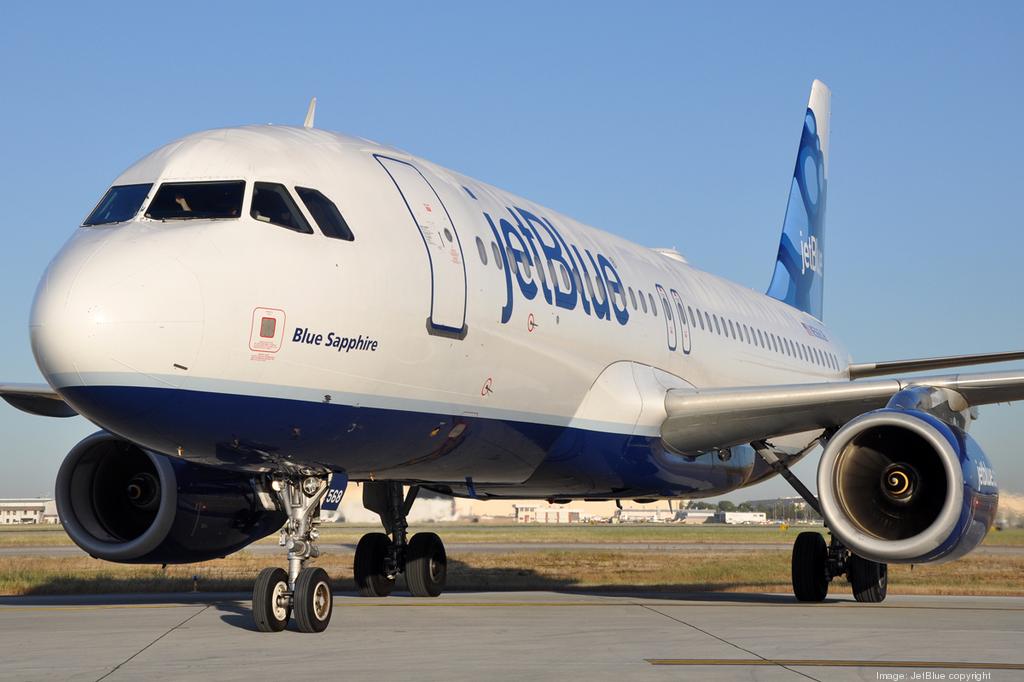
The Federal Aviation Administration has opened an investigation. A post-flight inspection found no damage and no physical evidence of impact on the airframe, according to the agency.
JetBlue removed the aircraft from service for a complete inspection before clearing it to return to operations. Passengers deplaned normally at the gate. No injuries were reported among those on board.
After any reported object strike, airlines follow a structured inspection protocol. Mechanics examine the engines, windshield, leading edges, radome, and fuselage skin for dents, cracks, or embedded debris.
If no damage is found, the aircraft is cleared to fly. The process typically takes between 30 minutes and two hours depending on the aircraft type and the nature of the reported strike.
The FAA prohibits drone operations near airports without explicit authorization. Flying a drone in controlled airspace requires prior approval through the agency’s Low Altitude Authorization and Notification Capability system.
The system, known as LAANC, provides near-instant authorization for drone operators in designated zones around hundreds of U.S. airports.
Despite those restrictions, the FAA receives more than 100 drone-sighting reports near airports each month. Most do not result in contact with aircraft. The volume reflects the growing number of consumer and commercial drones in airspace shared with commercial aviation.
Drone strikes remain statistically rare compared to wildlife encounters, which airlines report thousands of times annually. The concern with drones centers on their construction.
Unlike birds, drones contain metal frames, electric motors, and lithium batteries. Those materials can cause more severe damage to engines, windshields, and control surfaces on impact.
The Airbus A321 is certified under FAA design standards to withstand bird strikes up to specified weight limits. No equivalent certification standard exists for drone impacts specifically. Regulators and industry groups have been studying the issue as drone encounters increase.
Passengers on Flight 948 experienced minimal disruption. The flight landed on schedule. JetBlue reported no cascading delays at JFK related to the incident.
TrueBlue members on the flight earned points as normal on the completed journey.
The Las Vegas to JFK route spans approximately 2,240 miles and typically takes about five hours. JetBlue operates the service with Airbus A321 aircraft featuring the airline’s Mint business class cabin and core economy seating.
The route competes with Delta, American, and other carriers on the New York to Las Vegas corridor.
JetBlue has not announced changes to its JFK operations following the incident. The airline’s schedule at the airport remains unchanged. No ground stops or operational restrictions have been implemented.
The incident occurred during the peak summer travel season, when JFK handles some of its highest passenger volumes of the year.
Pilot unions and airline trade groups have pushed for tougher enforcement of existing no-fly zones around airports. The FAA’s remote identification rule, which requires most drones to broadcast identification and location information, took full effect in 2024.
The rule helps authorities trace operators who violate airspace restrictions.
In December 2018, drone sightings at London Gatwick forced the airport to shut down for more than 24 hours. Hundreds of flights were canceled, and roughly 140,000 passengers were stranded. No operator was ever identified.
U.S. airports have not experienced a comparable shutdown, though individual encounters like the JetBlue incident continue to occur.
The FAA’s investigation will focus on identifying the drone operator and determining whether the device was registered and operating within authorized parameters. Civil penalties for unauthorized drone flights near airports can reach tens of thousands of dollars per violation.
Criminal charges are possible in cases involving reckless operation.
If you are traveling through JFK this week, expect normal operations. The airport continues to handle departures and arrivals on schedule. JetBlue’s flights to and from Las Vegas are operating as published.