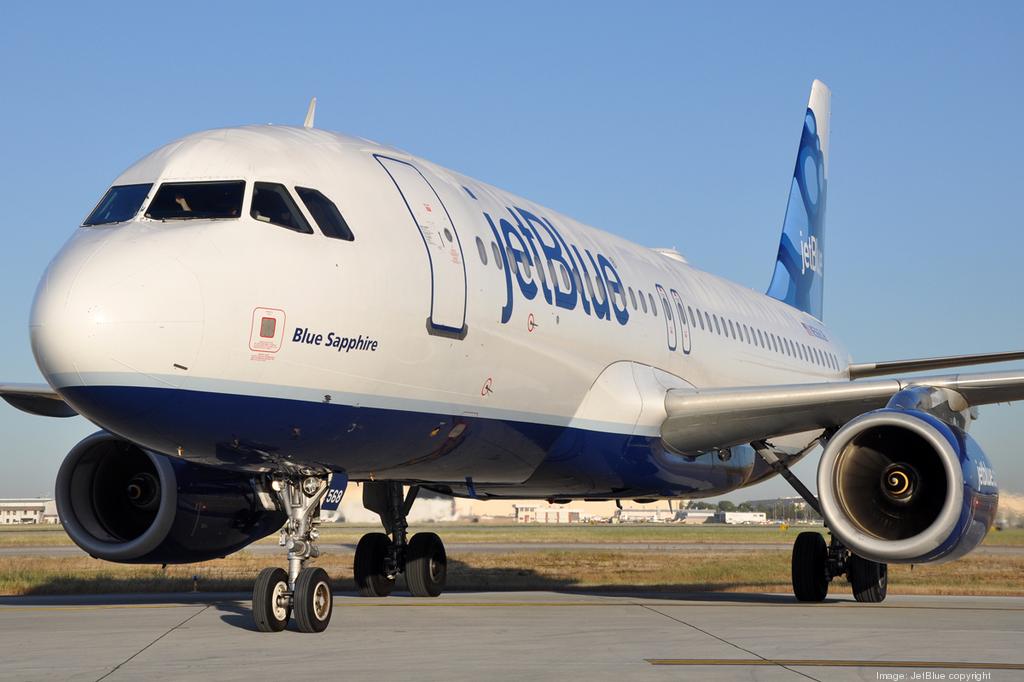
A JetBlue Flight 948 Airbus A321-231 collided with a drone while on final approach to John F. Kennedy International Airport on Monday, June 29, 2026, prompting an FAA investigation. The flight landed safely at Terminal 5, and JetBlue removed the aircraft from service for inspection before clearing it to continue operations.
- The FAA said the aircraft was at about 3,000 feet and on final approach at 7:15 a.m. EDT when the drone strike occurred.
- The pilot told air traffic control, “Just quickly, I couldn’t communicate with, but collided with drone back in the turn,” and later said, “Yep, it hit us right above the cockpit”.
- JetBlue said, “Safety is JetBlue’s first priority, and we will assist with any relevant investigations”; the post-flight inspection found no damage or evidence of a collision.
- The incident came three days after a separate drone encounter involving a United Airlines crew at Newark Liberty International Airport on Friday, June 26, 2026.
- A United Airlines Boeing 737 narrowly avoided a drone within 100 feet while landing at Newark Liberty Airport.
- The FAA is investigating two separate sightings involving unmanned aircraft reported within a single time window on Friday.
- The incident highlights escalating risks of midair collisions between recreational drones and commercial jets in restricted airspace.
(NEWARK, NEW JERSEY) — A United Airlines jet carrying 106 passengers came within 100 feet of a drone while landing at Newark Liberty International Airport on Friday, the latest in a string of close calls involving unmanned aircraft near major U.S. airports.
United Flight 1513, a Boeing 737-700 arriving from Key West, Florida, was on final approach to Newark at approximately 5:20 p.m. ET on June 27, 2026, when the flight crew spotted the device. The pilot radioed air traffic control with a blunt warning: “We almost hit a drone.”
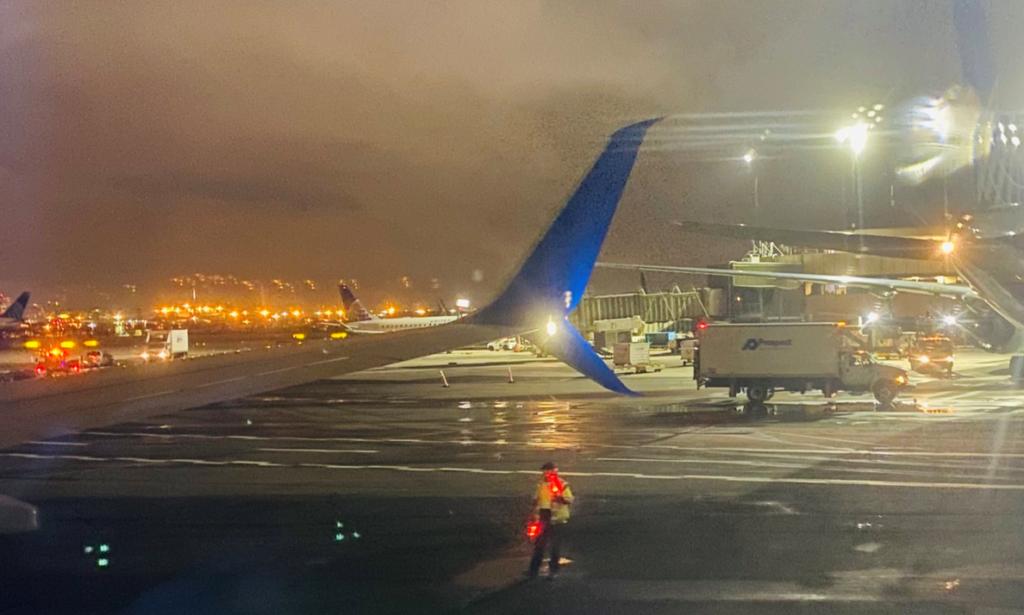
The crew described the object as circular, roughly three feet wide, and passing about 100 feet below the aircraft. At that proximity, a collision could have struck the engines, windshield, or flight control surfaces of the 737-700, which carries no protective systems against airborne objects during landing.
The aircraft touched down safely at 5:30 p.m. ET, roughly 10 minutes after the sighting. All 106 passengers and five crew members deplaned normally at the gate. No injuries were reported, and United has not indicated any damage to the aircraft.
Within the same time window, a second aircraft reported a drone near Newark. A United Express flight operated by GoJet Airlines told controllers it had spotted a drone at approximately 2,000 feet while approaching the airport. The Federal Aviation Administration confirmed it is investigating both reports and has not yet identified the operator of either device.
The twin sightings at Newark reflect a problem that has escalated sharply in recent years. The FAA receives thousands of drone sighting reports from pilots annually, with most occurring near major airports during approach and departure phases, though most do not result in close encounters. The margin between a routine sighting and a catastrophic midair collision can be measured in feet rather than miles.
Federal regulations prohibit flying drones within five miles of an airport without prior coordination with air traffic control. Recreational operators must keep their devices below 400 feet and within visual line of sight, while commercial drone pilots operating under Part 107 must obtain explicit airspace authorization through the FAA’s LAANC system before flying in controlled airspace. Neither the GoJet nor the United 1513 sighting has been linked to a registered operator.
A drone striking a commercial jet on approach could shatter a cockpit windshield, foul an engine fan, or sever hydraulic lines, damage profiles similar to bird strikes that have plagued aviation for decades. Drones, which carry metal components and lithium batteries, pose an equal or greater kinetic threat at landing speeds of 140 to 160 knots. The 737-700 involved in Friday’s incident seats 126 passengers in a two-class configuration and typically operates leisure routes to Florida and the Caribbean.
Drone incursions have forced temporary ground stops at several major airports in recent years, and Newark handles over 500 daily departures as United’s primary transatlantic gateway. A drone-related shutdown there would cascade delays across United’s hub network and disrupt connecting flights operated by Star Alliance partners including Lufthansa, ANA, and Air Canada. Gatwick Airport near London shut down for 36 hours in December 2018 after repeated drone sightings, stranding over 100,000 passengers and costing airlines tens of millions of dollars.
United has not said whether the 737-700 involved in Friday’s incident will undergo inspection beyond standard post-flight procedures. The airline has also not indicated whether any passengers were contacted about the near-miss after deplaning. Flight 1513 operates the Key West-to-Newark route during the summer travel season, a popular leisure corridor for MileagePlus redemptions during peak months.
Travelers with upcoming connections through Newark should monitor flight status during afternoon arrival windows, when drone sightings are most frequently reported. If a ground stop occurs, rebooking through United’s alternate hubs at Chicago O’Hare or Washington Dulles may preserve onward connections.
MileagePlus members retain miles and Premier Qualifying Points credit on delayed or diverted flights, though rebooked passengers on partner carriers may experience a lag of several days in credit posting. Passengers holding award tickets on Star Alliance partners through Newark should check alternative routing options in advance, particularly during summer months when leisure demand limits rebooking availability.
The FAA’s investigation will focus on identifying the drone operator through radar data, air traffic recordings, and witness accounts. Civil penalties for reckless drone operation near airports can reach tens of thousands of dollars per violation, and criminal charges apply in cases involving intentional interference with manned aircraft. Neither the FAA nor United has released a timeline for the investigation, and no arrests had been reported as of Monday.