- Rumors of individual states banning travelers with specific visas are completely false federal misinformation.
- Travelers must present a valid visa and passport pairing to federal officers at ports of entry.
- Moving a visa between documents or tampering with the stamp can result in immediate administrative revocation.
A warning making the rounds this week says California, New York, Florida and Texas will ban entry for travelers carrying a U.S. visa with the wrong document. It does not work that way.
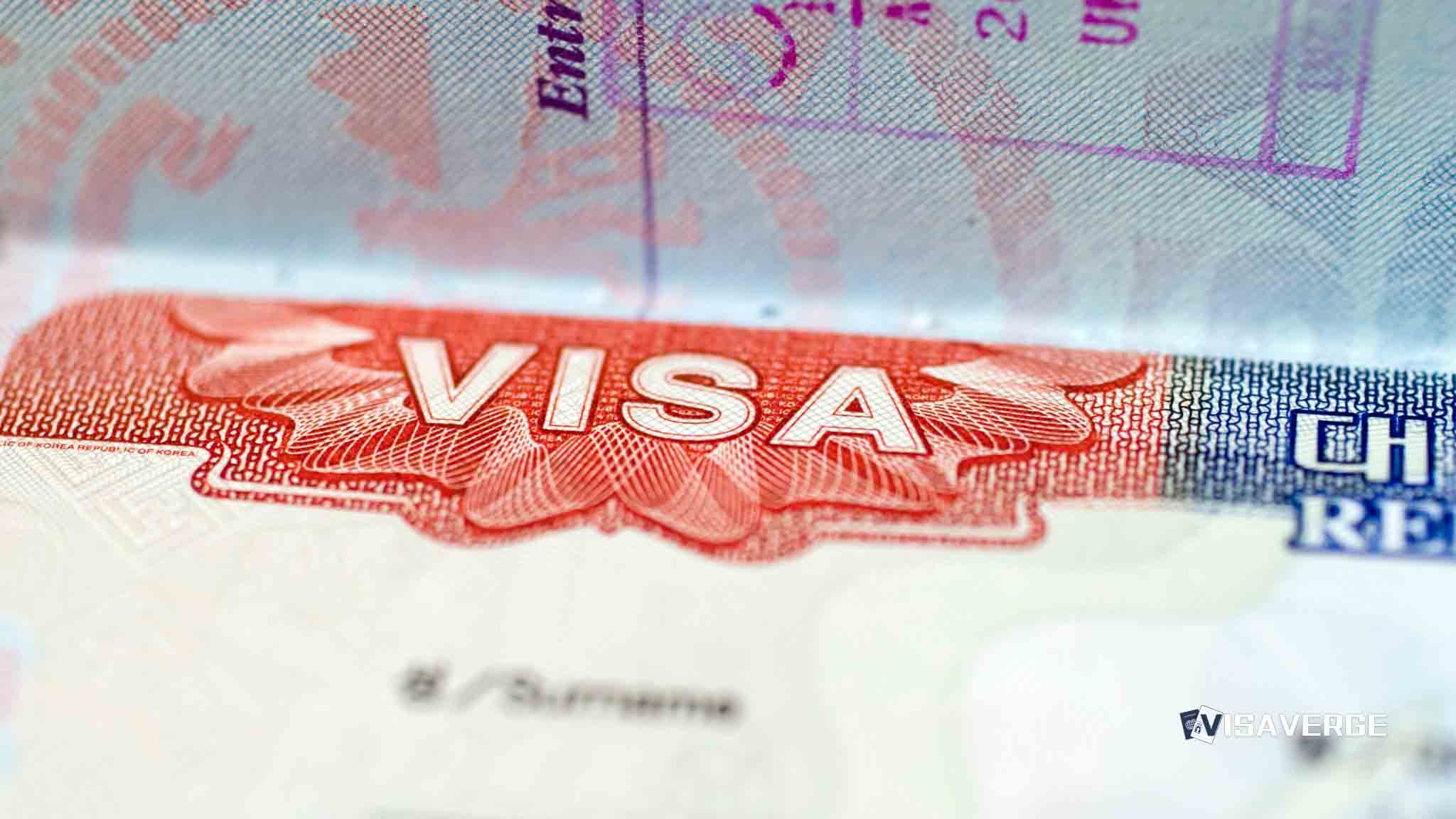
The issue is federal immigration rules, not a state ban. U.S. entry turns on the passport and the visa’s status at the port of entry, where federal officers decide whether the documents match.
If the visa sits in an expired passport, travelers are generally told to carry both documents. Bring the old passport with the valid visa and the new passport together. That is the fix.
Free toolSchengen Short-Stay Visa CalculatorProblems start when a traveler alters the visa or places it in the wrong document. A handled or tampered visa can be treated as invalid, and the consequence is an administrative revocation. The remaining years on the stamp do not save it.
Border crossing card holders face a separate federal rule. The card is limited to specific border areas. It does not open the door to free entry anywhere in the country, and it does not replace the rules for flights or cruises.
The passport, not the state line, decides the result
The practical test is simple. A visa in a valid passport can be used as issued. A visa in the wrong passport needs the supporting travel document that goes with it. The federal system cares about that pairing.
Travelers who move a visa from one passport to another can create trouble for themselves. The safer path is to keep the old passport and the new one together and present both at inspection.
That is why the warning is misleading. It treats a document problem like a state policy. The refusal, if one occurs, comes from the federal side.
Wrong handling can turn a valid visa into a federal problem
The research behind the warning points to a narrow but important mistake: putting a visa into the wrong document or otherwise handling it badly. That can void the visa even if the stamp still shows time left.
A damaged visa creates a similar problem. So does a visa that no longer sits in the passport where it belongs. In both cases, the issue is federal immigration trouble, not a special rule from any of the four states.
Border crossing cards follow their own narrow federal rule
Border crossing cards are not a blanket entry document. They work only in specific border areas.
They do not authorize free entry anywhere in the country, and they do not serve as a general pass for flights or cruises. That limit is federal, too.
The document check happens at the port of entry, where officers review the passport, visa and any related travel document together. If those papers do not line up, the traveler can run into a federal immigration problem before entry is granted.
The same document mismatch can matter whether the traveler arrives by land or air. The state name may change. The rule does not.