- The State Department warns against novelty stamps because unofficial marks can lead to entry denial at international borders.
- Border officials may view souvenir impressions as official passport defacement, rendering the document technically invalid for travel.
- Travelers should use dedicated souvenir books instead of their passport for decorative stamps to avoid travel disruptions.
(UNITED STATES) The U.S. State Department is warning travelers not to place novelty stamps in their passports. These unofficial marks can trigger trouble at border control, and in some cases they lead to denial of entry at the destination.
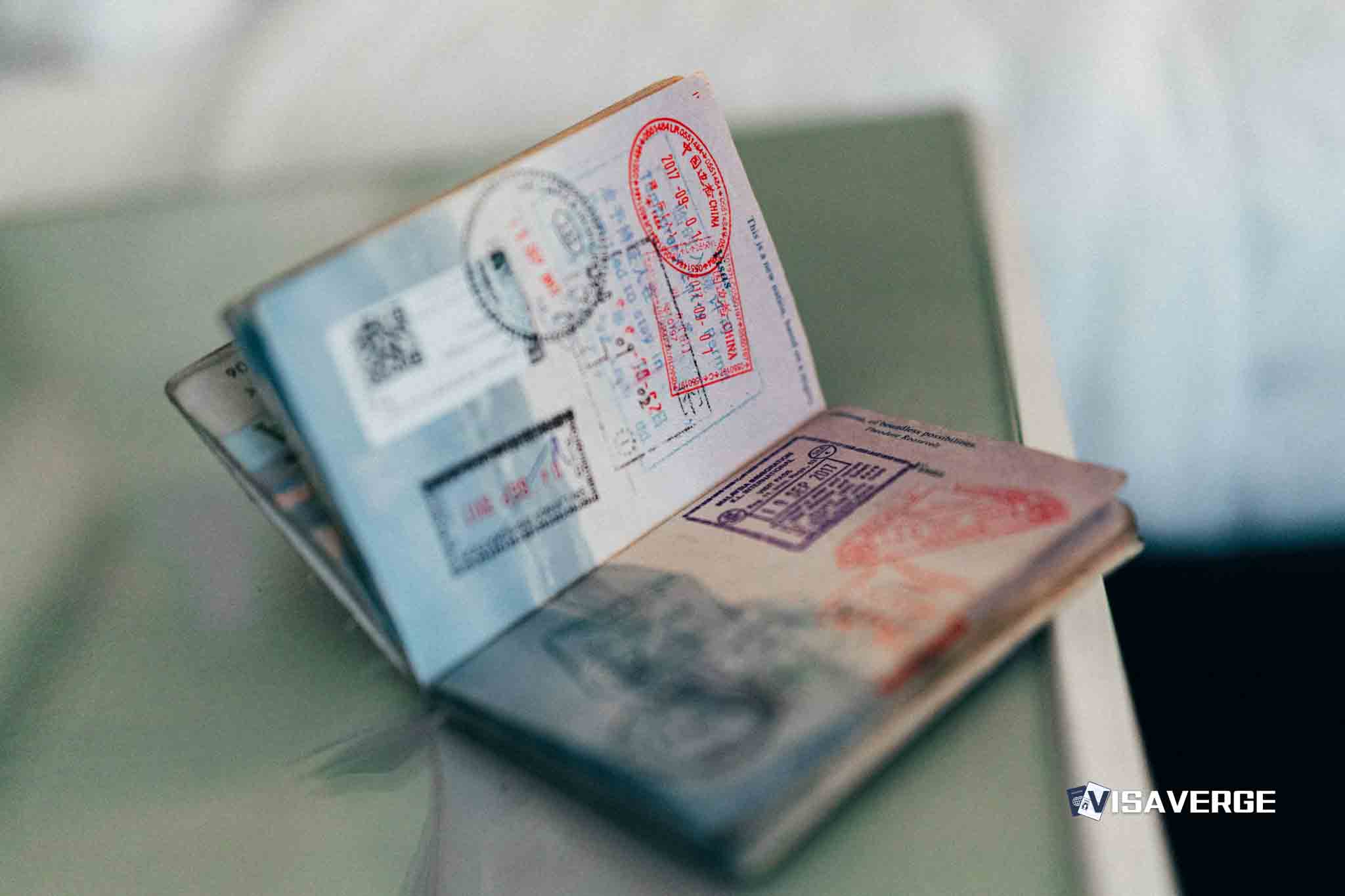
The warning is simple but serious. A passport is a travel document, not a scrapbook. Once extra marks appear on its pages, border officers may question whether the passport has been altered, damaged, or treated as invalid.
Why unofficial passport stamps create border risk
Novelty stamps are any stamps that are not issued by an immigration authority or otherwise officially recognized. They can include souvenir marks, decorative designs, and other playful impressions from non-official sources.
That may sound harmless. It is not.
Border officials in some countries treat extra markings as passport defacement or even invalidation. That means the passport no longer appears clean and reliable for travel use. VisaVerge.com reports that travelers have learned this lesson the hard way, especially when unusual stamps are visible during inspection.
The risk matters because border officers look for signs that a passport has been damaged, tampered with, or used for anything beyond official travel control. A novelty stamp can raise that concern even when the traveler meant no harm.
The State Department warning reflects a practical reality. Different countries enforce their own entry rules, and a document that looks acceptable to one officer may create problems for another. A traveler who expects a quick stamp at arrival can instead face extra questioning, longer inspection, or a turn-around at the airport.
What can happen at the border
When a passport contains unofficial markings, the consequences depend on the destination and the judgment of the border authority on duty. Some officers may ignore the extra stamp. Others may treat it as a serious problem.
The most severe outcome is denial of entry. That means the traveler is not allowed to enter the country and may be sent back on the next available flight. For a business trip, family visit, or long-planned holiday, that result is costly and stressful.
A border officer may also decide that the passport needs replacing before travel continues. In practical terms, that can mean missed connections, new fees, and a ruined itinerary.
The danger is greater when the destination has strict document rules. If the country sees any extra marking as damage, the passport can be treated as compromised even though the passport number, identity page, and official visas remain intact.
Travelers often assume a stamp is just ink on paper. Border authorities see it differently. They see the condition of the document, the source of the mark, and whether the passport still meets entry standards. That is why novelty stamps carry real travel risk.
How travelers should keep passports safe
The safest approach is straightforward: keep passports clean and free of unofficial marks. Do not add decorative stamps, souvenir impressions, or themed designs inside the book.
Travelers who want a memento should use something else instead.
- Keep souvenirs in a separate folder or travel wallet.
- Ask for brochures, postcards, or printed keepsakes.
- Use a dedicated stamp book if a venue offers a souvenir stamp.
- Store the passport by itself so pages stay clean.
These habits protect the document and reduce the chance of an awkward conversation at the border. They also help preserve the passport’s appearance for airline staff, immigration officers, and consular officials who may inspect it later.
A clean passport also makes travel smoother when an officer needs to compare entries, visas, and travel history. Unofficial markings can distract from the official information on the page. That distraction can slow the inspection process at the worst possible moment.
Parents should be especially careful with children’s passports. A well-meaning souvenir stamp from a museum, theme park, or tourist site can create the same problem as a mark in an adult passport. The rule is the same for everyone.
Why the State Department message matters now
The warning reaches beyond a simple etiquette tip. It is a reminder that passport care affects mobility, not just appearances.
International travel depends on documents that border officers trust immediately. Even a small mark can invite extra scrutiny if it looks like passport defacement. That scrutiny is what travelers want to avoid after a long flight or during a tight connection.
The State Department’s message also highlights a wider pattern in border control. Countries are paying closer attention to document integrity, and many officers will not guess about the purpose of a stamp. If it is not official, they may see it as a risk.
That reality matters for people who cross borders often, including students, workers, and families visiting relatives abroad. One careless souvenir stamp can create a problem that follows the traveler from one checkpoint to the next.
For Americans planning trips overseas, the safest rule is easy to remember: if the stamp is not official, it does not belong in the passport. Put it in a stamp book, a notebook, or a keepsake box instead.
What travelers should remember before departure
Before leaving home, check the passport pages and make sure nothing unusual has been added. If an unofficial mark is already there, the traveler should expect questions and possible delay.
The official guidance is available on the U.S. State Department’s passport page at travel.state.gov. That site explains how U.S. passports are issued and how travelers should care for them during use.
The warning also fits with the experiences discussed on Travellerspoint, where travelers have described unofficial passport stamps and reports of entry denial. Those stories show how quickly a small souvenir can become a border problem.
For immigration officers, the issue is not the artistic value of the stamp. It is whether the passport still looks untouched, official, and valid. Once that doubt appears, the traveler carries the burden of explaining it.
That is why the safest travel habit is boring but effective. Leave the passport blank except for official stamps, visas, and immigration marks. Keep the souvenirs elsewhere. It protects the document, preserves travel options, and avoids the kind of border control problem that can end a trip before it begins.