- Children and young adults must apply in person because passports issued under age sixteen cannot be renewed by mail.
- Presidential Proclamation 10998 suspends visa issuance for nationals of nineteen to thirty-nine countries as of January twenty twenty-six.
- Routine passport processing in 2026 takes four to six weeks after the application reaches the federal system.
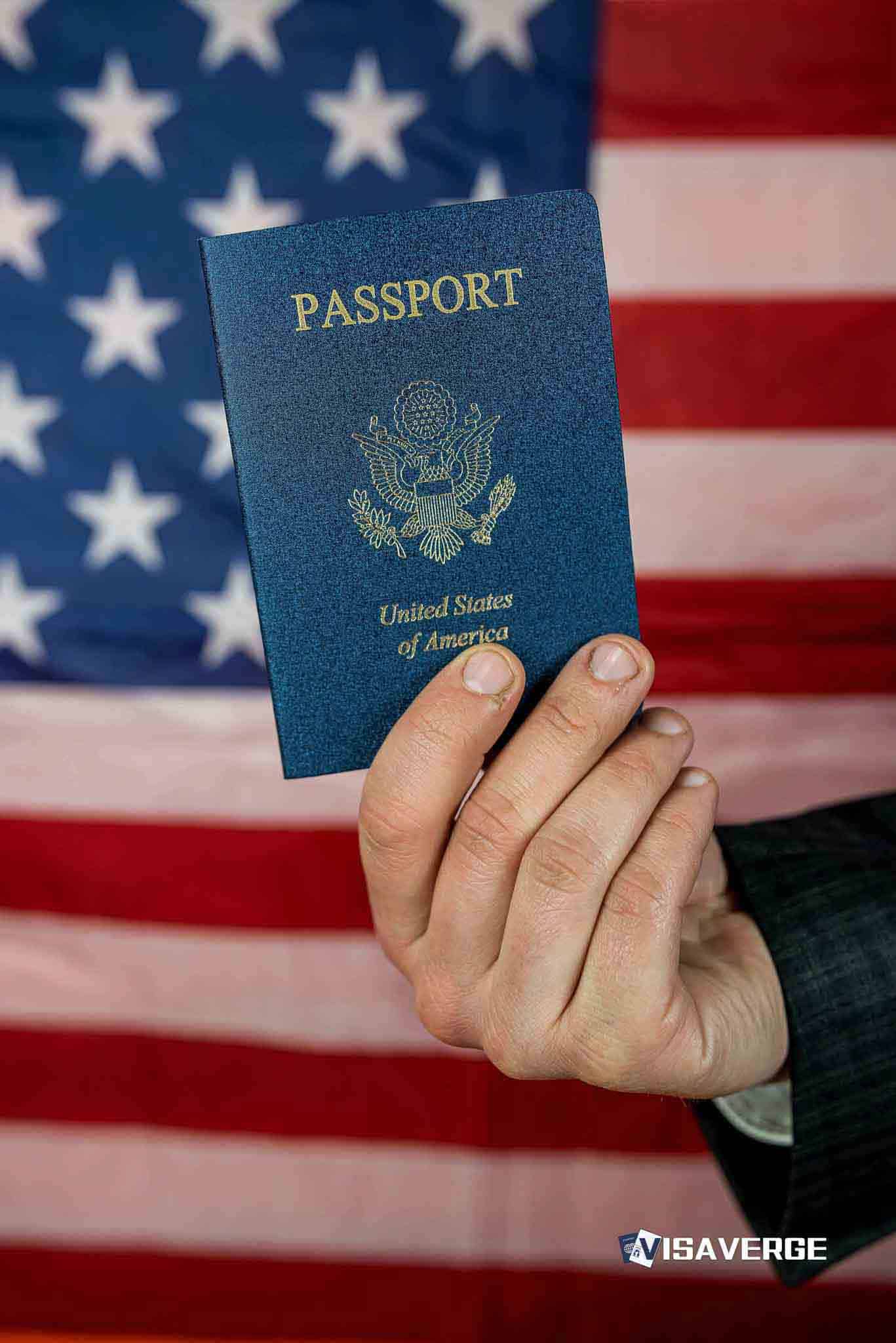
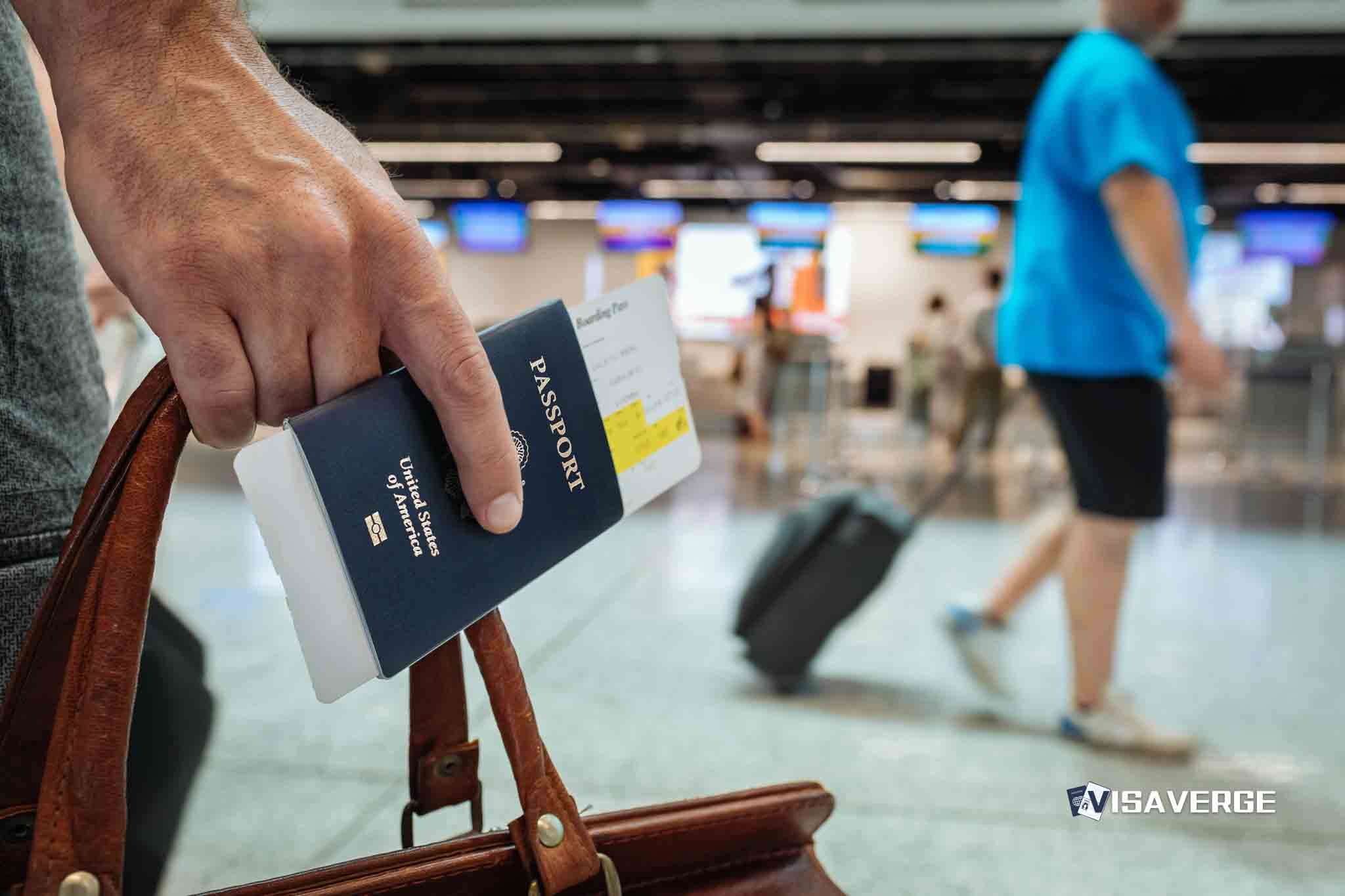
(UNITED STATES) Reports describing an “automatic block” on some U.S. passport renewals point to an old rule, not a new penalty. The U.S. Department of State still requires children and certain young adults to apply in person instead of renewing by mail or through the online system.
That rule affects two groups immediately. Children under age 16 cannot use renewal procedures at all, and people aged 16 to 20 cannot renew if their last passport was issued before their sixteenth birthday.
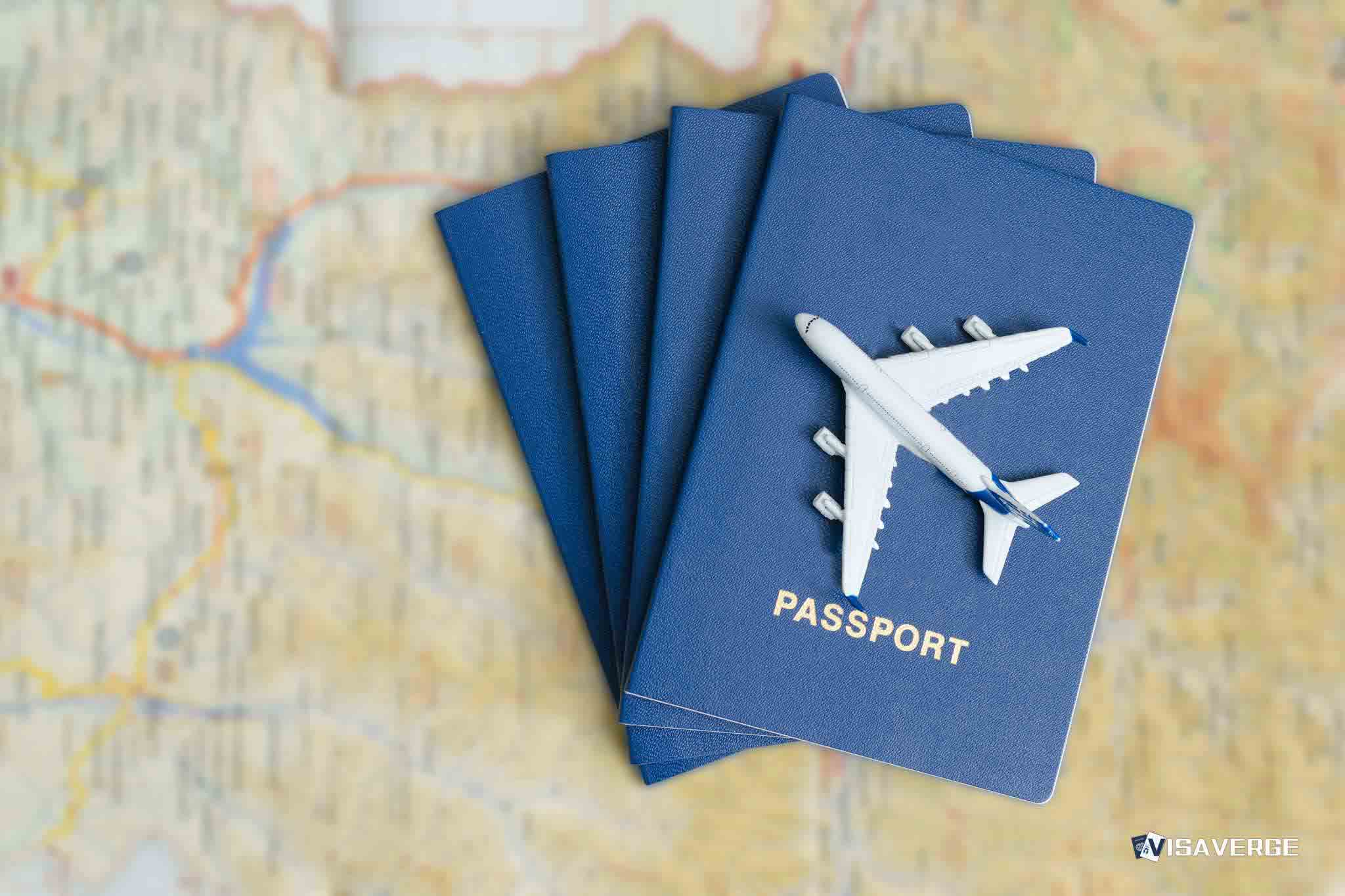
The practical result is simple. A person in those groups must file a fresh application on Form DS-11 and appear at an acceptance facility or passport agency, rather than using Form DS-82 by mail.
Free toolSubstantial Presence Test CalculatorThat distinction matters because many families and college-age travelers discover it late, often after trying the online system or preparing a mail packet. Missed appointments, rebooked flights, and rushed document gathering usually follow.
The separate immigration development in this cycle is much broader. Under Presidential Proclamation 10998, effective January 1, 2026, visa issuance and entry were suspended for nationals of 19 to 39 countries, subject to listed exceptions.
Lawful permanent residents remain generally exempt from that visa block, according to the government summary cited in official announcements. The passport rule and the visa restriction involve different legal systems, different applicants, and different agencies.
Child passports expire differently and require a new application
A passport issued to a child under 16 is valid for five years, not ten. Once it expires, the holder does not renew it. The holder applies again in person as a new applicant.
That process starts with DS-11. The State Department’s June 2026 guidance says anyone whose last passport was issued before age 16 must apply in person and cannot renew by mail using DS-82.
Parents usually feel this rule first. A child’s application generally requires parental participation, proof of citizenship, proof of identity for the parent or guardian, a passport photo, fees, and an appointment at a post office, library, clerk’s office, or agency.
Young adults often miss the same rule. Someone who received a passport at age 15 may assume that expiration at age 20 means a standard renewal. It does not. The first adult passport still requires an in-person application.
How the passport process works in 2026
The first step is checking eligibility before booking travel. Adults can usually renew only if the last passport was issued when they were 16 or older and was valid for 10 years.
The second step is choosing the right channel. Eligible adults can use mail renewal or the government’s online renewal portal. Everyone else, including children and first-time adult applicants from the child-passport category, must apply in person.
The third step is document collection. Applicants using DS-11 should gather citizenship evidence, identification, a compliant photo, and payment. If a minor is applying, parents should also review consent rules before the appointment.
The fourth step is the appointment itself. Acceptance facilities review the packet, confirm identity, witness signatures when needed, and send the application to the State Department for adjudication and passport production.
The fifth step is waiting. As of June 2026, routine service takes 4 to 6 weeks, while expedited service takes 2 to 3 weeks. Those timeframes start after the application reaches the processing system.
What applicants should expect from the authorities
The State Department decides whether the application is complete, whether the evidence is acceptable, and whether any follow-up is needed. If the packet lacks a required item, processing stops until the applicant responds.
That pause is where many rushed cases unravel. A missing birth certificate copy, incorrect fee, poor photo, or absent parent consent form can add days or weeks, even when the traveler paid for expedited service.
The online side of the system has expanded, but it remains limited by eligibility rules. The online passport renewal program, launched fully in late 2024, had been used by more than 5.3 million Americans by early 2026.
Those numbers show demand, not universal access. Online renewal helps adults with straightforward cases, but it does nothing for a 19-year-old holding an expired child passport or a family applying for a 10-year-old’s travel document.
June 2026 fairs and appointment pressure
In June 2026, the State Department announced special passport acceptance fairs around the country. These events are aimed at people who cannot use standard mail or online renewal channels, especially children and first-time adult applicants.
Acceptance fairs can reduce scheduling pressure, but they do not change the legal rule. An applicant who needs DS-11 still needs DS-11. The event simply creates another place to submit the same required in-person application.
Families planning summer or holiday travel should treat those fairs as extra capacity, not guaranteed rescue. Slots fill quickly in high-demand periods, especially in areas with limited passport agencies or long drives to appointments.
Where visa restrictions fit into the 2026 picture
The passport issue concerns U.S. citizens and their travel documents. Proclamation 10998 concerns foreign nationals seeking visas or admission. The line between the two stories has blurred because some coverage folded them together under the same alarmist theme.
The proclamation took effect on January 1, 2026. A State Department statement issued on February 2, 2026 said visa issuance was fully suspended for nationals of 19 countries and for people traveling on documents issued or endorsed by the Palestinian Authority.
Coverage also described the policy as applying to nationals of 19 to 39 countries, reflecting the way different summaries grouped the listed restrictions and exceptions. The operative point is the same: many affected nationals face a total visa issuance block.
The Department of Homeland Security enters the picture because entry restrictions and immigration enforcement sit within its authority once travel reaches the border. Visa issuance remains a State Department function handled through consular processing abroad.
Lawful permanent residents, often called green card holders, are generally exempt from the proclamation’s visa block. That exemption matters for people who already hold permanent status in the United States 🇺🇸 and are returning from travel abroad.
Why the confusion keeps spreading
Sensational headlines turned a procedural rule into a national crackdown story. VisaVerge.com reports that the real issue is not a new ban on citizens, but strict application of long-standing age-based rules for passport renewals.
Readers can test the claim quickly. If the applicant was under 16 when the last passport was issued, renewal is off the table. The remedy is not an appeal. The remedy is the correct in-person application.
That explains why families and young adults often feel “blocked.” The system refuses the wrong path because the law requires a different path. The same person can still receive a passport after filing the proper form.
Official guidance appears through the U.S. Department of State passport renewal pages, the online renewal portal, and the USCIS newsroom, which tracks immigration and Department of Homeland Security developments that affect travel.
Anyone with upcoming travel should verify the form category first, then count processing time from the government’s published range, not from the departure date on a booked ticket. That is the safest way to avoid last-minute disruption in 2026.