- The U.S. State Department will proactively revoke passports held by parents with significant unpaid child support arrears.
- Initial enforcement targets fewer than 500 individuals owing over $100,000 in past-due support payments.
- Affected parents can avoid revocation by entering payment plans with the Department of Health and Human Services.
(UNITED STATES) – The U.S. State Department plans to start proactively revoking passports held by parents who owe substantial unpaid child support, expanding enforcement of the Personal Responsibility and Work Opportunity Reconciliation Act beyond the current system that mainly blocks new passports and renewals.
Officials said the first phase of the passport revocation effort will target passport holders with more than $100,000 in past-due support. That group numbers fewer than 500 people.
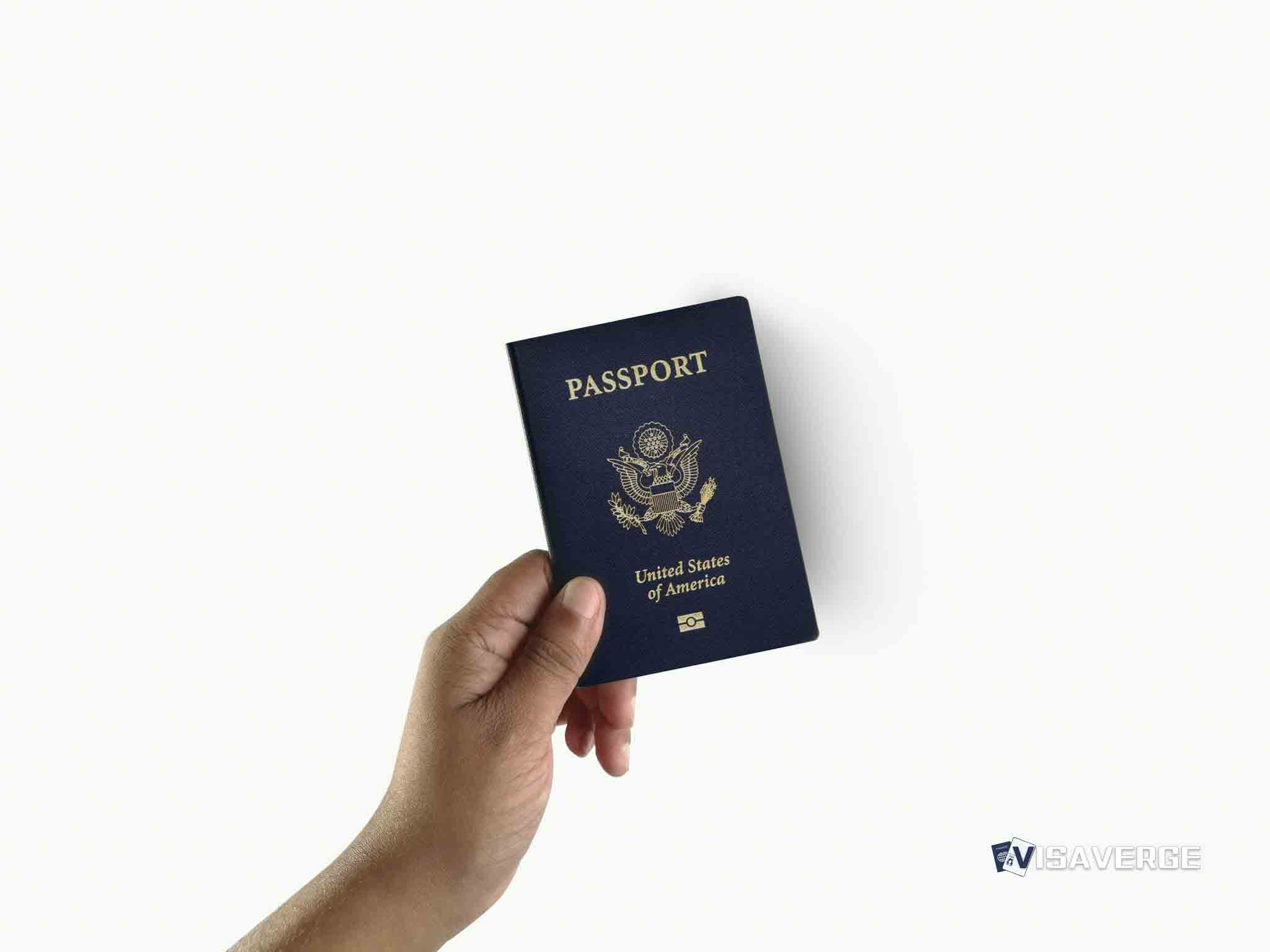
Parents who receive notice can avoid revocation by entering a payment plan with the Department of Health and Human Services. Officials also indicated the threshold could later fall to arrears levels such as $5,000, $10,000, or $20,000, a shift that could pull thousands more parents into the enforcement system.
The planned expansion builds on a law Congress passed in 1996. That statute, the Personal Responsibility and Work Opportunity Reconciliation Act, gave the federal government a stronger role in collecting overdue support and tying compliance to access to passports.
Since October 1, 2006, applicants who owe at least $2,500 in child support have been ineligible for new passports. Federal agencies have long used that restriction to pressure parents to resolve arrears before travel documents are issued.
HHS’s Office of Child Support Services and the State Department have run the passport program together since 1998. Through the Passport Denial Program, states have collected nearly $621 million.
That history makes the new step more aggressive in practice. Instead of waiting for a parent to apply for a passport, renew one, or seek help at a consulate, the State Department now plans to move against existing valid passports held by people with large unpaid balances.
The department framed the policy in blunt terms. “It is simple: deadbeat parents need to pay their child support arrears.”
Officials said they are reviewing options to enforce what the department called a long-standing law and to stop parents who owe substantial amounts from neglecting their legal and moral obligations to their children. The statement ties the new approach to duties that already exist under federal and state support orders, rather than to a new act of Congress.
The phased rollout matters because it shows how narrowly the government intends to begin. By setting the opening threshold at more than $100,000, officials would start with a small population while testing how revocation works in practice.
Fewer than 500 passport holders fall into that first category. A later drop to $20,000, $10,000, or $5,000 would broaden the reach far beyond the initial group, though officials have not announced when any lower threshold would take effect.
Parents who want to keep or restore their passports have one clear route laid out in the policy. After notification, they can enter a payment plan with HHS instead of waiting for revocation to run its course.
The timing after a debt is addressed is not immediate. Once arrears are resolved with a state child support agency, clearance typically takes two to three weeks before passport processing resumes.
That lag reflects the structure of the system. States handle child support enforcement and report delinquent cases, while federal agencies control passport action and processing, so a parent’s account has to move through more than one level before travel privileges return.
The administration had not announced a public start date for revocations as of February 10, 2026. That left the policy in a stage where the government had described the plan and its thresholds but had not said when affected passport holders would begin receiving notices.
Officials also drew a line around what the action does and does not do. The policy affects a person’s ability to travel internationally, not citizenship or identification.
A passport is a travel document, and the government is using access to that document as leverage to force payment of overdue support, not to alter a person’s legal status in the United States.
The present system already blocks some people from getting a passport in the first place. Anyone who owes $2,500 or more has faced ineligibility for a new passport since October 1, 2006.
The new approach reaches a different group: parents who already hold valid passports and have continued to accumulate arrears. In that sense, the federal government is moving from denial at the application stage to active cancellation of an existing travel privilege for some debtors.
Federal officials have not presented the change as a replacement for state collection tools. It sits alongside existing child support enforcement methods and adds international travel restrictions to the list of consequences for nonpayment.
The nearly $621 million collected through states under the Passport Denial Program gives the government a financial record to point to. That figure suggests passport-related enforcement has already produced payments, even before the step from denial to revocation.
Because the first phase is limited to people owing more than $100,000, the immediate effect falls on a small slice of parents with the deepest arrears. Officials’ discussion of lower thresholds shows the policy could shift from a narrow opening move to a much wider collection tool.
Amounts like $5,000 or $10,000 would reach parents far below the initial level and much closer to the long-standing denial threshold. That would narrow the gap between parents blocked from obtaining a passport and parents who already have one but risk losing it.
Each stage of the process turns on notice and compliance. A parent identified for enforcement can avoid revocation by arranging a payment plan with HHS, then must wait for state clearance and federal processing before passport services resume.
That sequence also means a parent who settles the issue cannot expect same-day restoration. The stated two to three weeks between state resolution and resumed passport processing could shape work trips, family travel, and any other plans that depend on international movement.
The agencies involved have worked together on passport-linked child support enforcement since 1998, giving the system a long institutional history even as the enforcement method changes. What is new is the decision to use revocation proactively, aimed first at fewer than 500 parents with more than $100,000 in unpaid support.
The State Department’s message on the policy left little room for softer language. “It is simple: deadbeat parents need to pay their child support arrears.”