- Indian travelers lost one hundred fifty-four crore rupees in non-refundable Schengen visa application fees during twenty twenty-five.
- A record-breaking one point one million applications were filed, placing India as the world’s third-largest applicant pool.
- Small destinations like Slovenia posted the highest rejection rates at over forty-six percent despite new mobility agreements.
Schengen visa rejections cost Indian travelers Rs 154 crore in 2025, even as applications hit a record 1,153,748, according to the European Commission’s Directorate-General for Migration and Home Affairs. The commission released the figures on May 28, 2026. India ranked as the world’s third-largest source. It did.
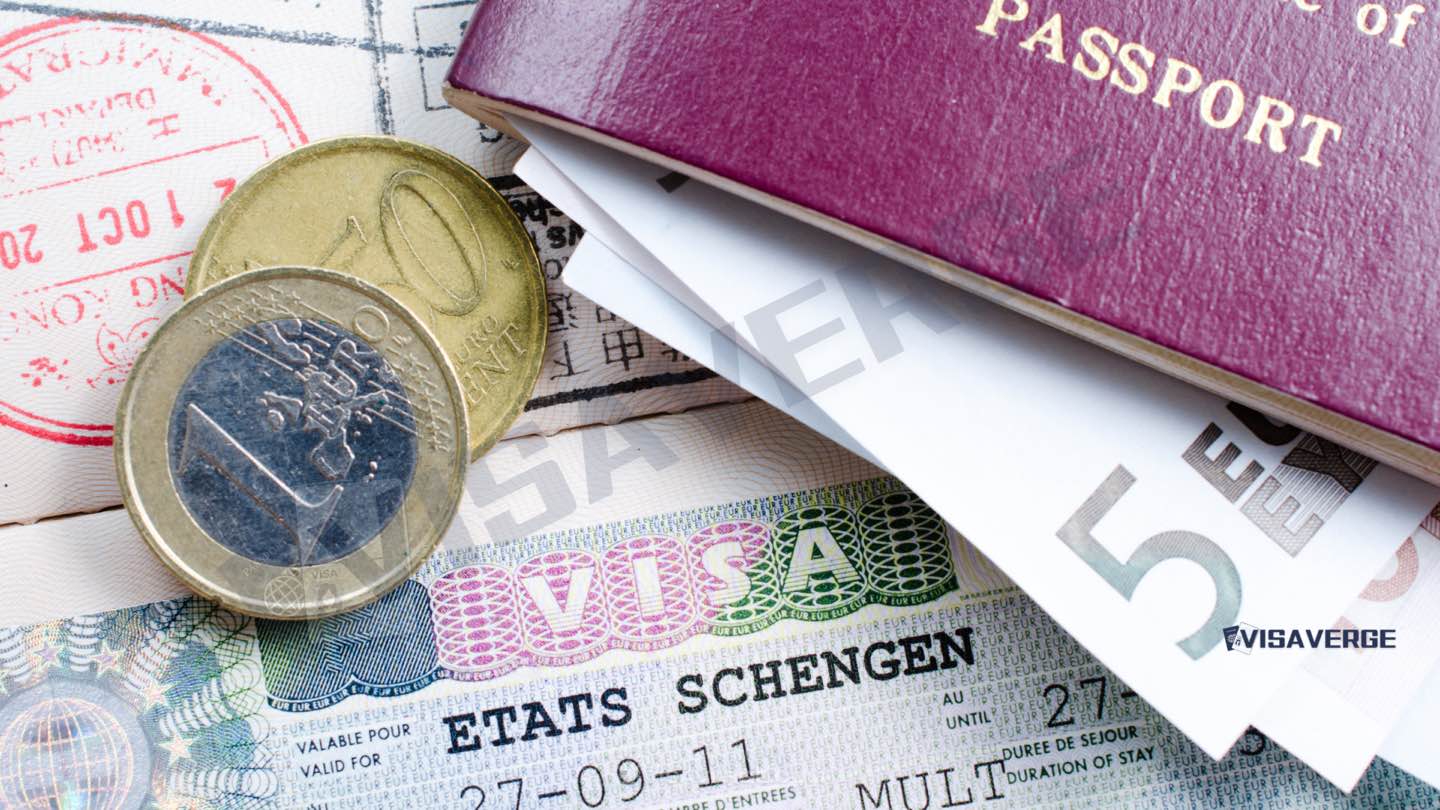
The fee bill came from 181,111 denied applications, which translated into a 15.8% rejection rate. That is about one in every six applications. At the standard fee of €90, or about ₹8,550, the money went out at the filing stage and never came back. The total came to ₹154.9 crore.
Free toolSchengen Short-Stay Visa Calculator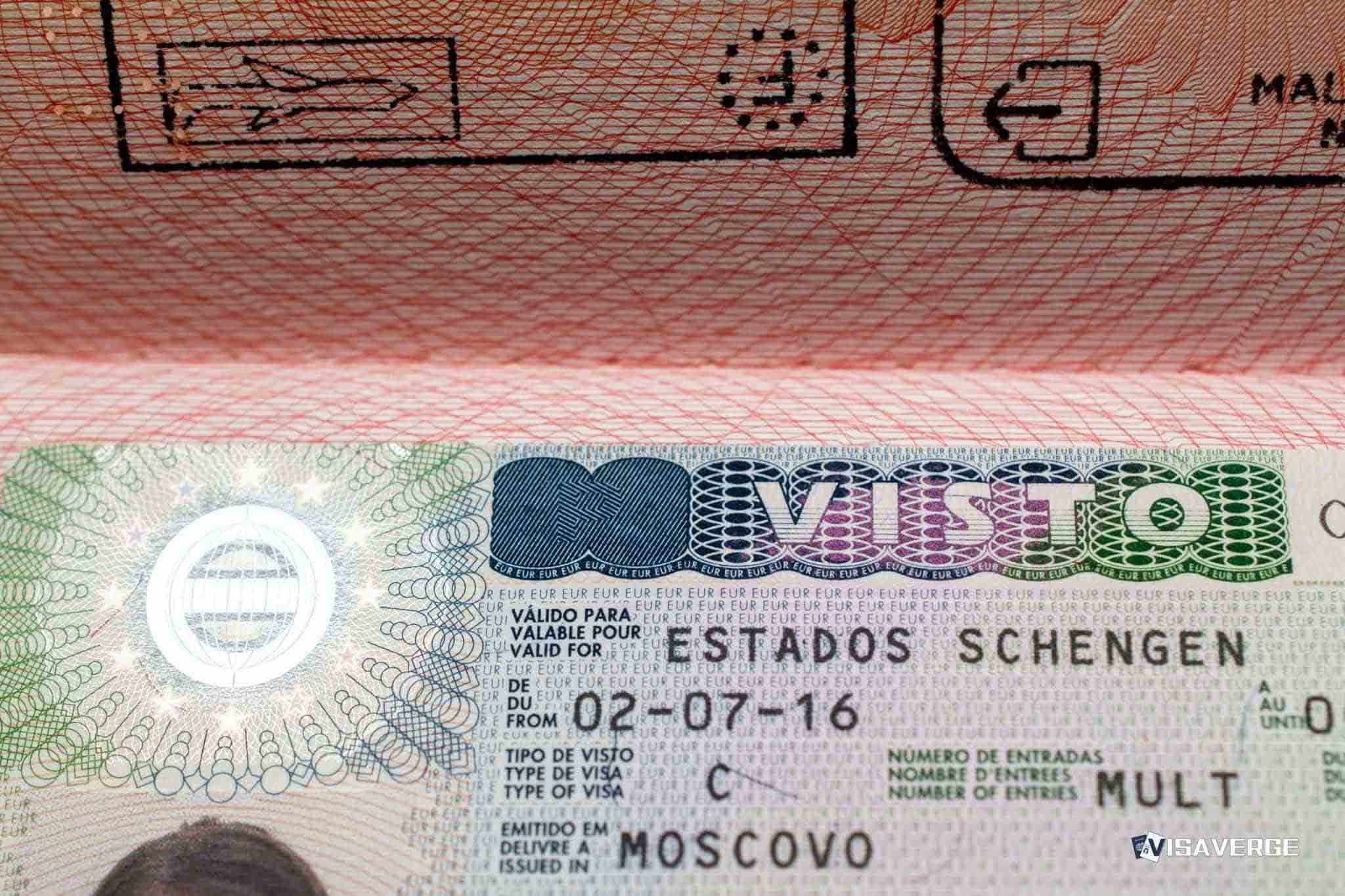
India’s numbers were not just large. They arrived at a time when the country had already become a major feeder market for European travel. The official data put India firmly among the biggest Schengen applicant pools, with the annual volume setting a fresh high. The losses followed the filings.
The policy backdrop also shifted this year. On January 27, 2026, India and the European Union signed a mobility pact aimed at smoothing visa processing for Indians. The agreement brought in the Cascade regime, which gives eligible travelers a better path toward long-term, multi-entry visas valid for 2 or 5 years after prior visas have been used successfully. Repeat use now matters.
The bloc has also started changing how Schengen visas are issued. In 2026, the European Union began a phased rollout of a unified online application portal. The new system is meant to replace passport stickers with digital barcodes linked to biometric data. The paperwork is moving online.
The steepest rejection rates hit smaller destinations
Some countries were far tougher.
| Destination | Rejection rate for Indians |
|---|---|
| Slovenia | 46.1% |
| Bulgaria | 37.0% |
| Greece | 33.2% |
Switzerland sat at the other end of the scale. It drew 226,044 applications and posted a relatively higher approval rate than the Schengen average. The country stood out in the figures. It did.
The official data page, published by the European Commission’s migration and home affairs arm, now sits alongside the new visa changes from 2026. That makes the latest numbers more than a one-year tally. They now read as the baseline for a system that is still being rebuilt.