Rep. Jin Sung-joon said his application for an A-2 visa was refused on October 28, 2026, as he prepared to lead South Korean lawmakers to a U.S. military command in Hawaii. His application was for official travel, and he said he learned of the decision Wednesday morning.
The National Assembly National Defense Committee chair had planned the trip for November 1 to 5. The delegation was scheduled to visit the U.S. Pacific Command, also known as U.S. Indo-Pacific Command, and meet its commander, Adm. Samuel Paparo.
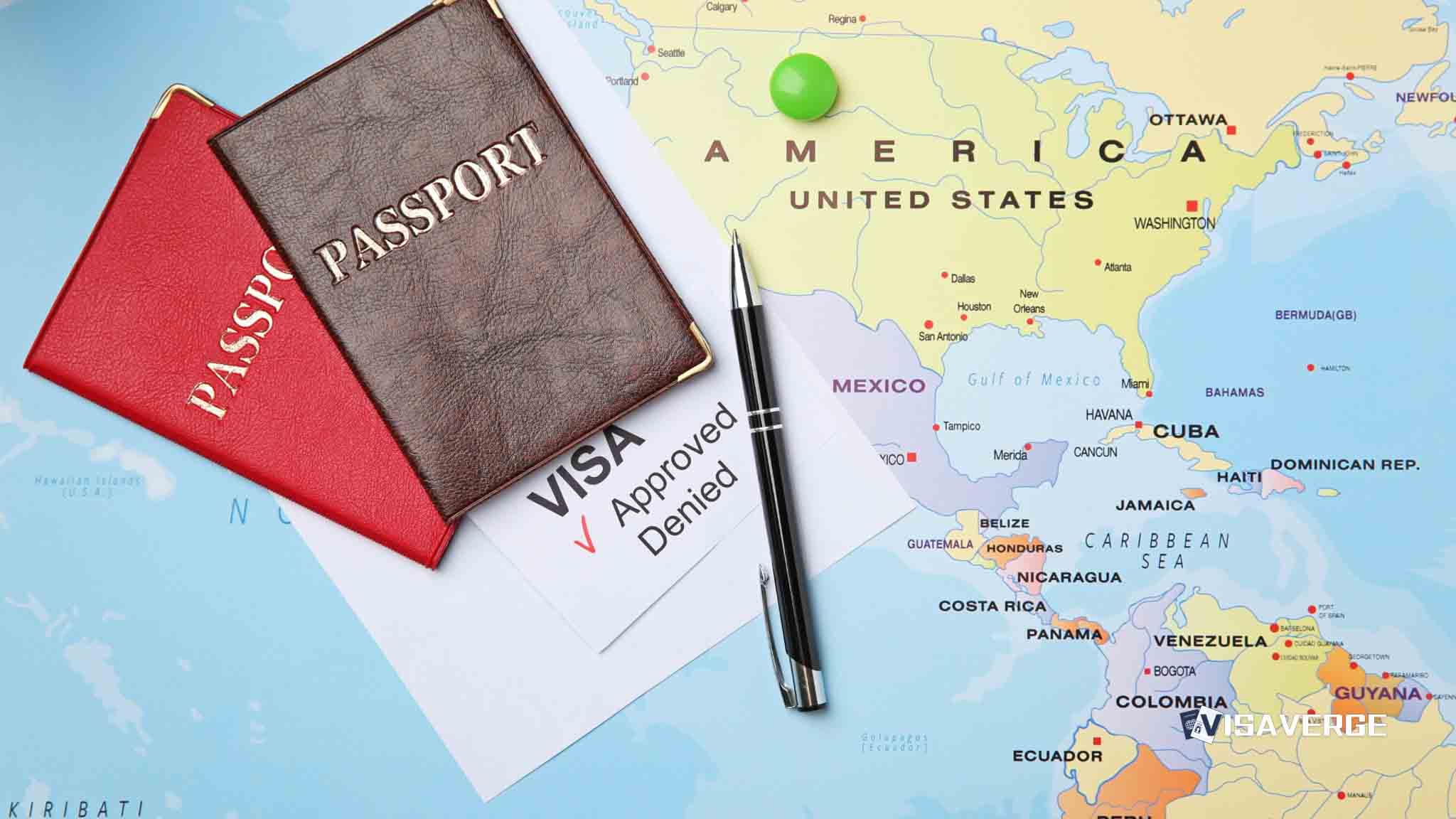
A planned set of meetings is now uncertain. The State Department’s tracking system listed the application as “Refused” on Oct. 28, a status that can also appear during administrative processing.
Jin called the decision an affront to South Korea’s legislature. “No matter how I look at it, this doesn't seem like the way to treat an ally,” he told reporters by phone.
The four-member delegation also includes Democratic Party Rep. Kim Byung-joo, a floor leader of the parliamentary negotiation group; People Power Party Rep. Lim Jong-deuk; and Reform Party Rep. Chun Ha-ram. Kim and Chun already have U.S. visas. Lim was still awaiting approval.
“We were going to meet with a number of four-star generals, but it is not easy to push for a normal schedule at the moment,” Lim and Chun said in a phone interview. “We will discuss future schedules.”
The application remains under discussion as officials review his past case
South Korea’s foreign ministry said it was consulting with U.S. officials and that the application process appeared to remain underway. The ministry said it could not verify details of individual visa applications.
Jin said U.S. authorities had requested court records from an old National Security Act case, including English translations of past rulings and criminal record certificates. His team was expected to provide the translated judgments.
The case dates to 1991, when Jin was sentenced to three years in prison and a three-year suspension of qualifications for violating the National Security Act. After graduating from university in 1989, he was accused of organizing a group during his military service that spread anti-American and pro-North Korean views.
The conviction involved allegations that he formed Uibyeonghoe, an organization that advocated for the withdrawal of U.S. troops. Jin says the case was “recognized as part of the democratization movement.” A special presidential reprieve restored his rights in 1995, during the Aug. 15 Liberation Day commemoration.
He has said the old conviction was not an attack on the United States and noted that he had traveled to the country since then. Jin also recalled visiting the Pacific command in March 2014 while serving on the defense committee.
The US visa denial leaves open whether the refusal reflects a final decision or a request for more information. U.S. authorities sometimes refuse applications temporarily when they need additional documents, then issue visas after reviewing the material.
A former U.S. diplomat calls the outcome unusual for an official visit
Henry Haggard, a former minister counselor for political affairs at the U.S. Embassy in Seoul, said extra screening for applicants with criminal records is routine. He now leads a Washington, D.C.-based geopolitical advisory firm.
“It is normal for any official or citizen with a criminal record — Korean or otherwise — to have to go through a more complex application process, but it is very unusual for such additional processing to lead to lawmakers or those travelling for official business to have to cancel their trip or to get refused,” Haggard said.
He said the U.S. Embassy had historically coordinated with the State Department and the Department of Homeland Security to facilitate official visits, while notifying South Korean officials about possible delays. That coordination often allowed trips to proceed, sometimes after minor delays.
Haggard said the latest visa issues were more likely to reflect stricter application of rules limiting or barring travel by people with criminal records than a diplomatic shift. He warned that complications could strain relations, as many South Koreans view anti-government protests in the 1980s as central to democratization, even as some protests included violence and anti-American sentiment.
The Democratic Party lawmaker’s refusal has also prompted speculation about Jin’s public comments. One party member pointed to a 2016 statement in which Jin described North Korea’s long-range missile launch as a satellite, saying U.S. officials may have taken the remarks into account.
Other disputes have added to the political backdrop. U.S. Ambassador to South Korea Michelle Steel has spoken about “turbulent relations between South Korea and the United States,” while U.S. Forces Korea Commander J. Beer Brunson has discussed wartime operational control. South Korean Defense Minister Kang Shin-chul also drew criticism after asking, “Can you trust the U.S. military in case of war with North Korea?”
At the launch of the Democratic Party’s Diplomatic, Security, and Unification Policy Review Advisory Council, its chair, Rep. Park Jeong, said the group would challenge what he called the view that more generous North Korea policies are pro-North Korea. He also said it would question an “80-year stereotype of blindly trusting the ROK-U.S. alliance.”
A previous lawmaker’s visa delay and rising refusal rate add to scrutiny
Jin is the second prominent ruling-party lawmaker in recent weeks to encounter U.S. visa problems. Former Democratic Party leader Jung Chung-rae had planned an overseas audit trip from Oct. 11 to 22, including visits to the United States and Brazil.
Jung abandoned the U.S. leg after his application remained “Under Review” until shortly before departure. He joined the parliamentary committee’s European inspection team instead and conducted the audit there.
“I find the U.S. administrative authorities' actions deeply regrettable,” Jung said during a committee audit. He called on lawmakers from both the ruling and opposition parties to protest to the United States together.
Separate figures show the adjusted refusal rate for South Korean nationals reached 24.73 percent in the 2025 U.S. fiscal year, which ran from October 2024 through September 2025. Data submitted by the Ministry of Foreign Affairs to People Power Party Rep. Kim Dai-sik put the previous year’s rate at 14.97 percent, a rise of 9.76 percentage points.
Seoul plans to raise the case during a U.S. visit
Foreign Minister Cho Hyun said during a National Assembly audit on the 27th that he would raise Jin’s case with U.S. Secretary of State Marco Rubio. Cho is traveling to the United States from the 29th for the G20 Foreign Ministers' Meeting.
The delegation’s departure is scheduled for November 1. Jin’s team is expected to submit the translated court rulings requested by U.S. authorities.