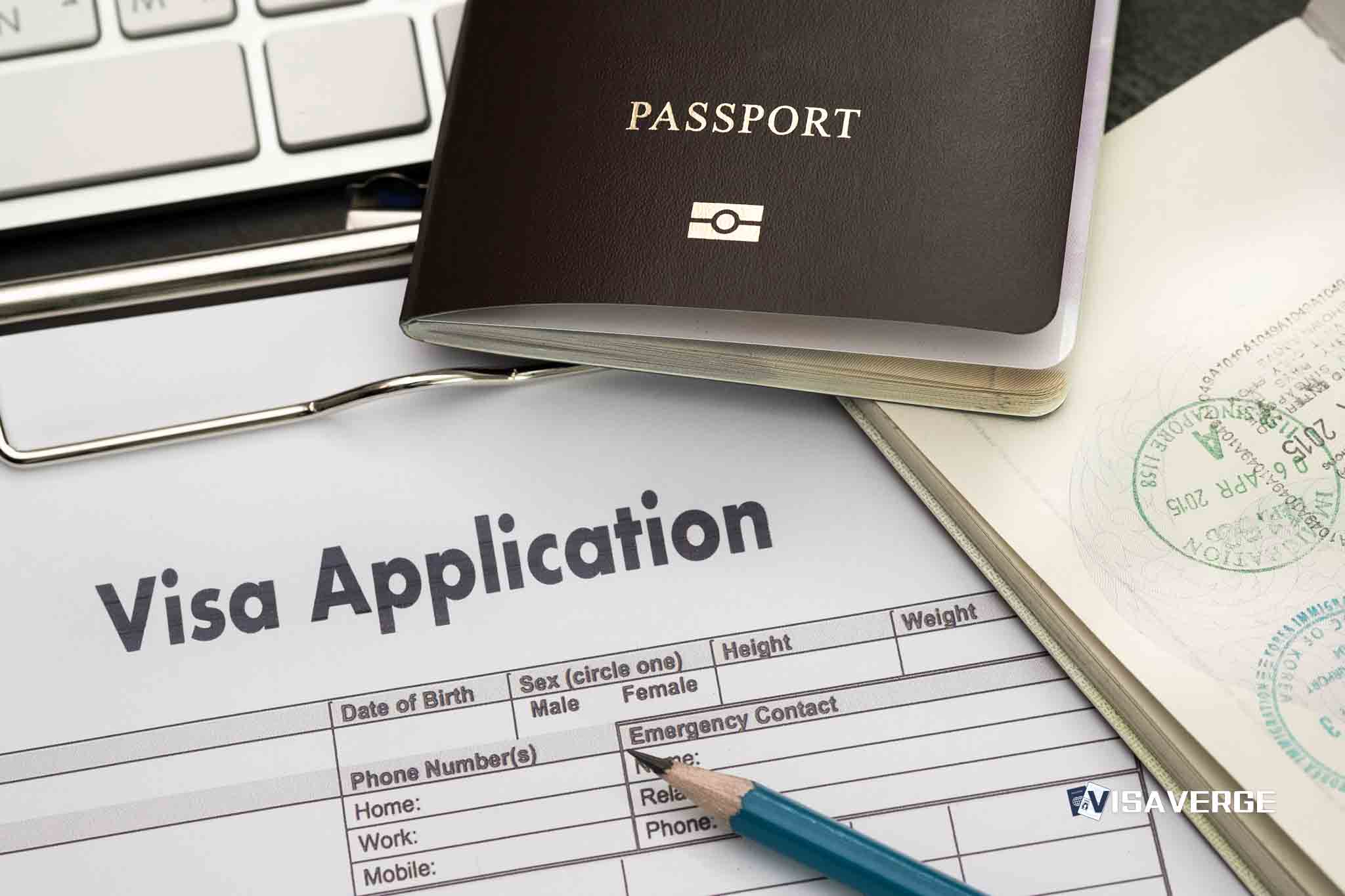
- The U.S. Mission in Nigeria says visa application fees are non-refundable, even when an application is refused.
- The standard fee for several visitor visa categories is one hundred eighty-five dollars, covering processing rather than approval.
- Applicants refused under Section 221(g) may generally have one year to respond to requests for information.
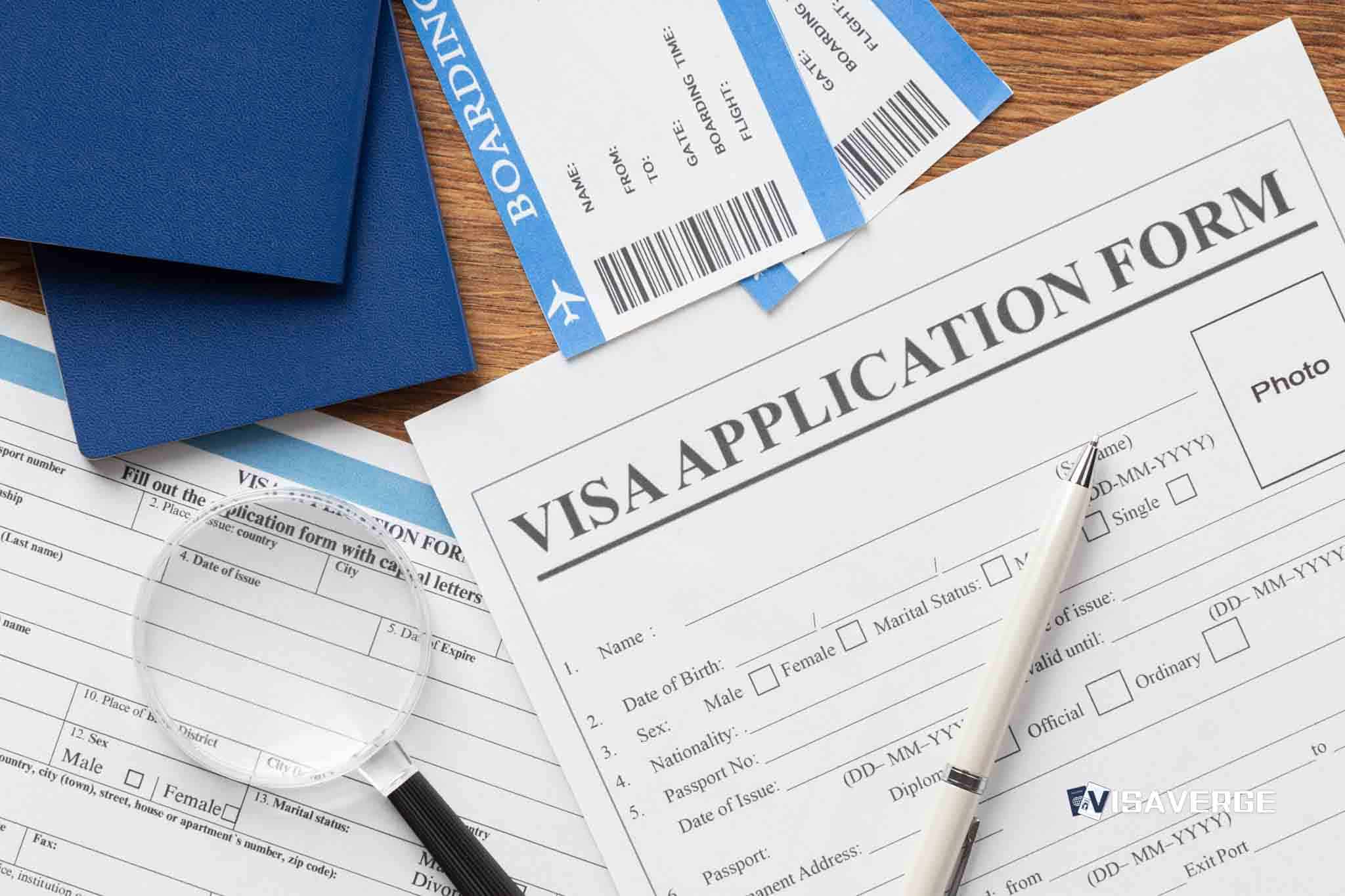
The U.S. Mission in Nigeria said Wednesday, October 14, 2026, that visa application fees are non-refundable whether an application is approved or refused. The notice appeared on its official social-media account, @USinNigeria.
The payment covers a decision process, not a visa purchase. The mission said it pays for processing through a final decision.
Free toolDS-160 Form Filling Online Helper Tool
“The fee paid is an application processing fee, not a payment for a visa to be issued.”
The fee does not guarantee approval. Applicants can also lose the payment after a refusal, even when they later decide to apply again.
The $185 charge buys processing, not an approval
The standard Department of State processing charge for several non-petition-based nonimmigrant categories is $185. Business and tourism visas are among them. Other categories have different fees.
Paying does not secure an interview appointment, a visa, permission to enter the United States or a refund after refusal. The distinction is direct: applicants pay to have an application processed, not to ensure a particular result.
The mission’s reminder comes as applicants may encounter other costs. A possible visa bond of up to $15,000 has been identified for certain Nigerian B-1/B-2 applicants. That bond is separate from the application-processing charge, and applicants should not treat the two payments as interchangeable.
Applicants can check current fees, eligibility rules and appointment procedures through the Department of State’s travel.state.gov website and the mission’s announcements. Fees vary by category, so the $185 amount does not apply across the entire visa system.
Two refusal sections lead to different next steps
A refusal under Section 214(b) of the Immigration and Nationality Act generally ends that application. Someone who applies again normally must file a new application, pay another fee and attend another interview.
Section 221(g) refusals involve a different process. They generally mean the applicant must provide additional documents or wait for administrative processing.
Applicants may have one year from the refusal date to provide requested information for continued consideration. If they miss that period, they generally must submit a new application and pay a new fee. The required next step depends on the refusal section.
The mission warned against refund and approval promises
The mission directed applicants to official government information and warned against third-party “consultants” and fraudulent schemes. It singled out promises of “Guaranteed visas,” “Refundable application deposits” and approval in exchange for extra payments.
Applicants should check requirements through travel.state.gov and mission announcements before paying intermediaries. A promise of a refund after refusal conflicts with the fee policy the mission described.
Restrictions began in January, with exceptions
The fee clarification came amid U.S. restrictions affecting Nigerian nationals. Presidential Proclamation 10998, signed by President Donald J. Trump on December 16, 2025, took effect at 12:01 a.m. Eastern Standard Time on January 1, 2026.
The proclamation partially suspended issuance of some visas to Nigerians, subject to exceptions. The affected categories included B-1/B-2 visitor visas, F student visas, M vocational-student visas, J exchange-visitor visas and immigrant visas.
Those restrictions do not turn an application charge into a refundable deposit. Applicants may still need or be permitted to apply in circumstances covered by the applicable rules, but payment alone does not establish eligibility or guarantee issuance.