- The State Department says photo flags can add 2 to 4 weeks to online passport renewals as of July 2026.
- Applicants may see Status Not Available for up to two weeks while automated screening checks photos and metadata.
- Passports issued before July 1, 2011 are no longer eligible for online or mail renewal starting July 1, 2026.
(UNITED STATES) — Online passport renewals are taking longer in a growing share of cases, with photo flags adding 2 to 4 weeks to normal processing as of July 2026, according to updated State Department guidance and public warnings from the Bureau of Consular Affairs.
The State Department has not described the issue as an “AI glitch.” Its public language points instead to stricter screening and a modernized automated validation pipeline that checks for artificial intelligence edits, filters, background swaps, and other digital changes before a human reviewer clears the application.
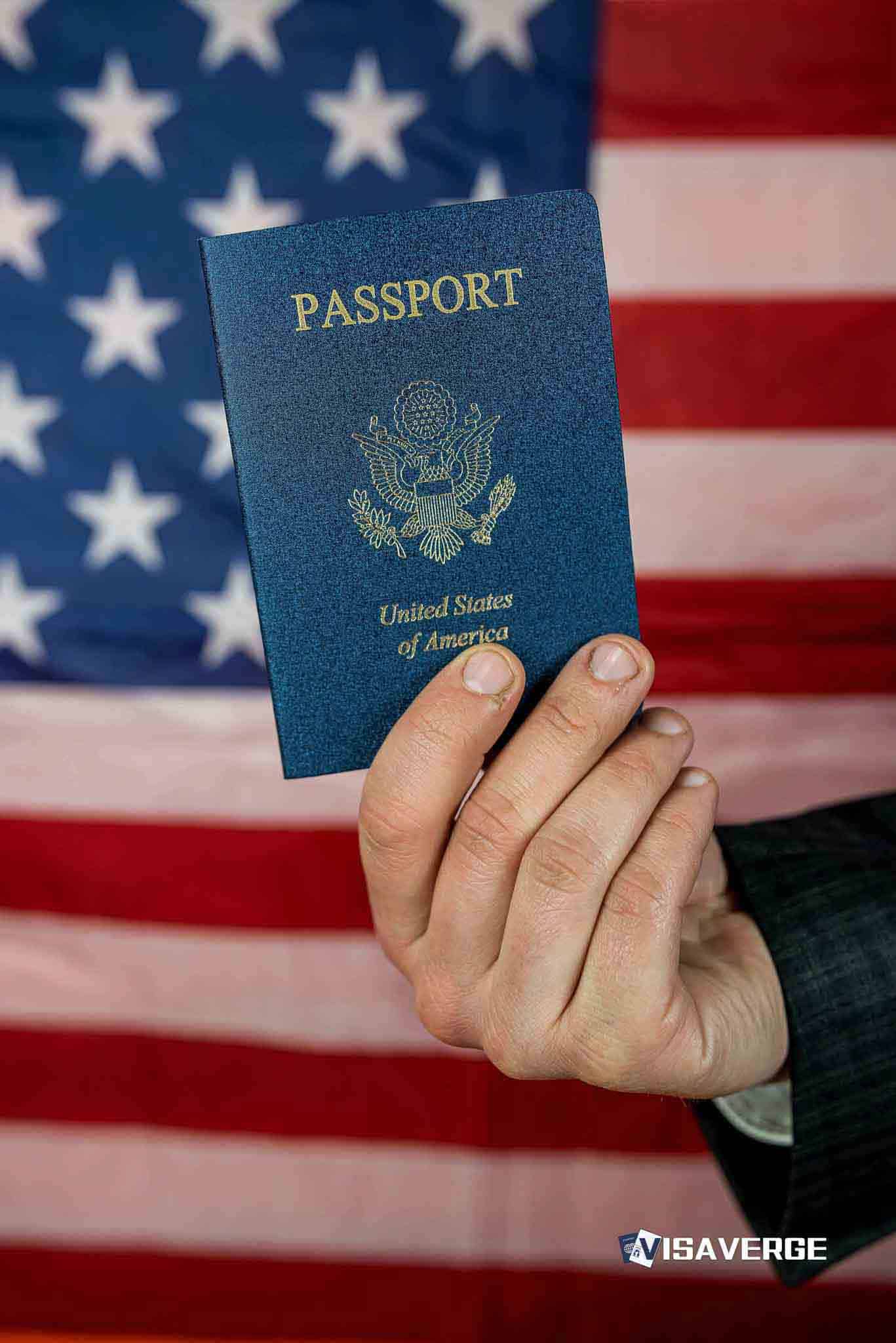
A May 14, 2026 warning told applicants not to use AI or digital editing tools on passport photos. Updated July 2026 guidance says applicants must not change photos with computer software, phone apps, filters, or artificial intelligence. The agency says altered images will delay processing.
Free toolI-94 Expiration Calculator OnlineThe change reaches beyond obvious editing. Modern smartphone cameras often apply skin smoothing, portrait lighting, sharpening, or background cleanup by default. Those changes can create edge artifacts or compression patterns that automated screening treats as manipulation, even when the applicant did not manually edit the image.
Applicants reporting delays often see “Status Not Available” for up to two weeks after submission. That period can reflect photo screening and metadata checks, not a system outage. Once a case is flagged, the resubmission cycle can push the total renewal timeline back by 2 to 4 weeks.
The timing is more serious because the State Department cancels the current passport after an online renewal application is submitted. If the photo is rejected, the applicant can be left without a valid travel document while the case is corrected. That can disrupt business trips, family travel, and urgent overseas plans.
Two rule changes in July added more pressure. Effective July 1, 2026, passports issued before July 1, 2011 are no longer eligible for online or mail renewal. Those applicants must apply in person with Form DS-11, Application for a U.S. Passport. A separate signature rule takes effect July 10, 2026 under DHS Docket No. USCIS-2026-0166, allowing denials, not simple rejections, for invalid signatures in covered filings.
Industry estimates cited in 2026 put the rejection rate for do-it-yourself passport photos at about 25%. The State Department also reported more than 7.3 million passports issued through the online system by May 2026. That volume explains why even a modest rise in flagged photos can produce a visible backlog.
| Passport case type | Processing picture as of July 2026 | What can extend the case |
|---|---|---|
| Online renewal with accepted photo | Normal State Department estimate applies | High volume, identity checks, document review |
| Online renewal with photo flagged | 2 to 4 weeks added | AI or filter flags, edge artifacts, compression issues |
| Case showing “Status Not Available” | Up to 2 weeks before visible movement | Metadata review, intake lag, automated screening |
| Older passport not eligible for renewal | Must restart with Form DS-11 | Appointment availability, in-person acceptance process |
⏱️ Processing Time: Passport timelines are estimates as of July 2026. Individual cases vary based on photo review, identity checks, and application volume.
⚠️ Common Mistake: Submitting a smartphone photo that has automatic beauty filters, portrait effects, or app-based resizing can trigger a digital alteration flag.
USCIS case tools at [my.uscis.gov]( and [egov.uscis.gov/processing-times/]( do not track passport applications, because passports are handled by the State Department, not USCIS.
Anyone preparing a passport photo should keep the image plain and unprocessed. Turn off portrait mode, beauty mode, filters, and auto-enhancement. Do not remove shadows with apps. Do not resize the image through third-party photo software unless the State Department instructions require it. A professionally taken passport photo may reduce the risk of a false flag.
Applicants affected by the July 1, 2026 eligibility cutoff should confirm whether the prior passport was issued within the last 15 years. If not, the renewal route is closed. The applicant must file Form DS-11, Application for a U.S. Passport, in person with identity and citizenship evidence.
The signature rule scheduled for July 10, 2026 raises the cost of filing mistakes. A denied filing can mean losing the original fee and paying again, often totaling $130 to $200 depending on the service requested. Handwritten signatures should match the form instructions exactly. Digital signature platforms and pasted signature images carry added risk where not expressly permitted.
Expedite requests remain limited. The strongest requests involve urgent international travel, life-or-death emergencies, or a documented government need. Applicants should gather proof before requesting faster handling, such as a booked itinerary, a medical letter, or a death certificate. Routine inconvenience usually does not qualify.
If a passport case is already pending, check status first, then watch for requests to correct the photo or submit more information. If travel is approaching and the current passport was canceled, contact the National Passport Information Center and review appointment options through the State Department. If the case involves immigration benefits instead, use [my.uscis.gov]( for case status and [uscis.gov/forms]( for the correct filing package. Processing times and fees change. Verify every step on the official agency website before sending anything.
📋 Official Resources: Download forms at