- Nigerian authorities warned that fake Schengen visas are increasingly used by passengers transiting through Morocco.
- Travelers are disappearing during layovers in Casablanca by utilizing hotel vouchers to enter the city illegally.
- Moroccan officials have tightened entry rules for Nigerians, often denying hotel stays without a valid Moroccan visa.
The Nigerian Civil Aviation Authority warned this week that Fake Schengen Visas are moving through Morocco transit while some Nigerian passengers slip away in Casablanca. Michael Achimugu, the agency’s director of public affairs and consumer protection, said the problem grew quickly between August 14 and August 16, 2026. It is showing up in transit halls and at arrival points.
"I found out yesterday about a sharp increase in the volume of fake Schengen visa stamps now being used by passengers to travel to Europe. A lot of them are discovered at transit airports, and others on arrival in Europe."
Free toolSchengen Short-Stay Visa Calculator
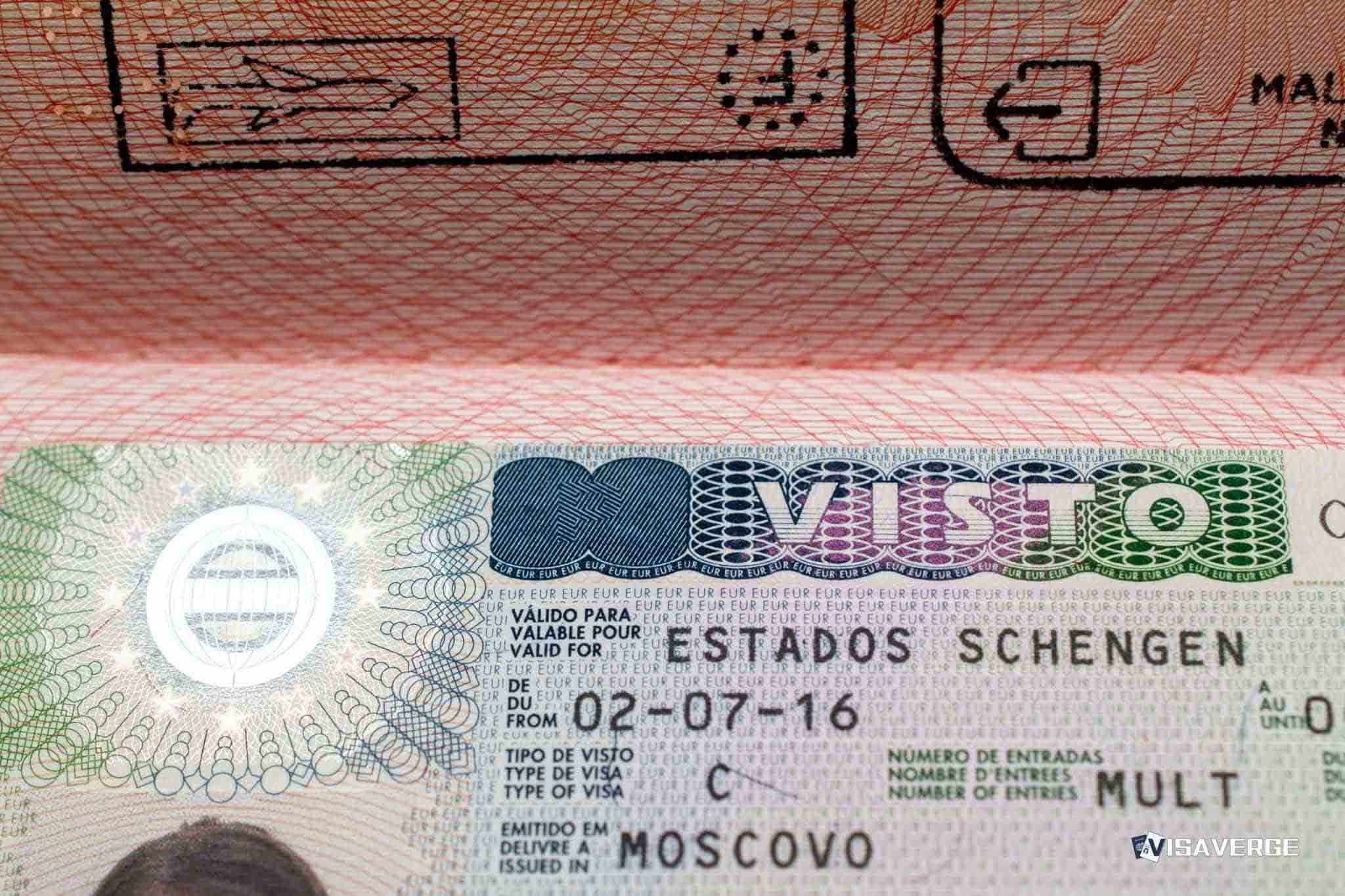
Achimugu gave that warning on August 15, 2026. The warning points to a problem that is moving past the departure gate. Some travelers are getting through checks, at least at first.
He said the forged papers are getting harder to spot. That is the danger.
| India | China | ROW | |
|---|---|---|---|
| EB-1 | Feb 01, 2023 ▲109d | Jul 01, 2023 | Current |
| EB-2 | Nov 01, 2013 | Oct 01, 2021 ▲30d | Jan 01, 2025 |
| EB-3 | Jan 01, 2014 | Jan 08, 2022 ▲7d | May 15, 2024 ▼109d |
| F-1 | Jan 22, 2020 | Jan 22, 2020 | Jan 22, 2020 |
| F-2A | Sep 22, 2026 ▲31d | Sep 22, 2026 ▲31d | Sep 22, 2026 ▲31d |
"The fake visas are said to be so expertly done, they can be very difficult for profilers without experience to catch before departure."
That statement came on August 16, 2026. By then, the focus had shifted from airport screening to what happens after landing in transit. In the cases the NCAA described, the route runs through Casablanca, where some passengers use the layover itself as cover.
"Some of such passengers, during transit in Casablanca, intentionally book long layovers to qualify them for hotel stay in the city. Once they enter the city, they disappear and try to find an illegal way into Europe."
Casablanca transit has become the weak point
The main pressure point is Casablanca, Morocco. Flights operated by Royal Air Maroc sit at the center of the pattern. Passengers use STPC, short for Stopover for the purpose of Connection, to secure hotel accommodation when the layover lasts long enough.
That hotel access creates an opening. Some travelers leave the airport and do not come back.
Moroccan authorities have since tightened entry rules for Nigerian travelers using that corridor. Nigerians transiting through Morocco are now often denied entry into the city for hotel stays unless they hold a valid Moroccan visa. The rule applies regardless of how long the transit lasts.
The NCAA’s account links the rise in forged documents with that transit route, not with a single airport stop. The pattern stretches from ticketing to inspection to hotel check-in. Then it breaks.
A rejected-visa market sits behind the forgery
The fraud is unfolding against a difficult visa record. Nearly 46.35% of Nigerian Schengen visa applications were rejected in previous cycles, in 2022–2023.
That rejection rate sits in the background of the current alert. It is part of the same travel environment that now produces forged stamps, longer layovers, and more scrutiny at transit points.
The agency has also pressed Royal Air Maroc over passenger treatment. It has threatened suspension in connection with those complaints, while the carrier says the restrictions now in place come from the high volume of absconding passengers.
That dispute is not over yet.
The airline’s defense matters because the controls in Casablanca are still tightening around the same route. The airport remains the choke point, and the next long layover will test it again.