Key Takeaways:
- African entrepreneurs face high Schengen visa rejection rates hindering international business opportunities and growth.
- Stringent documentation, high rejection rates, and calls for fair processing highlight challenges in visa applications.
- Specific countries like Algeria, Nigeria, and Ghana experience high rejection rates urging for changes globally.
Why Do African Entrepreneurs Face High Schengen Visa Rejection Rates?
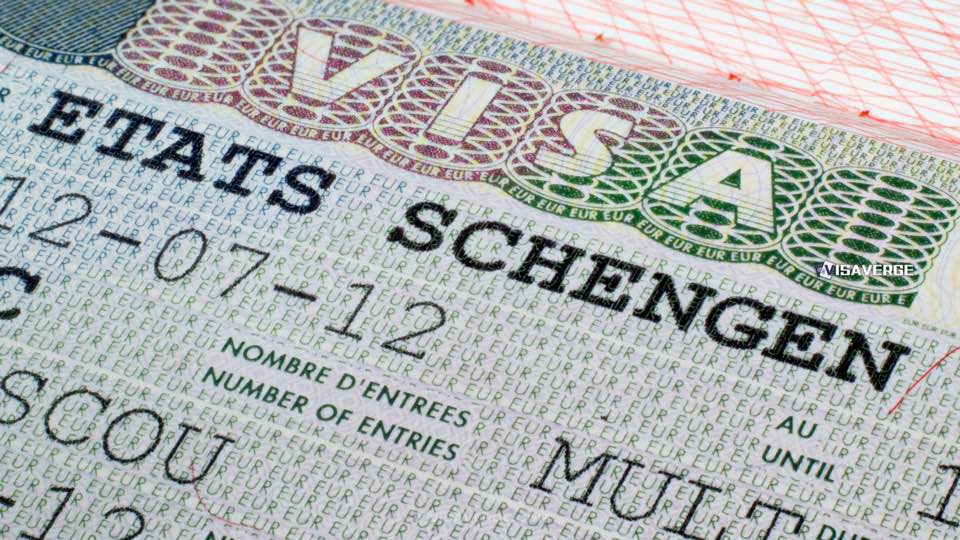
African entrepreneurs often encounter significant hurdles in expanding their businesses internationally, largely due to difficulties in securing travel visas. Particularly, the challenge comes with trying to obtain Schengen visas, which would allow them entry into 26 European countries. A recent study by Henley and Partners reveals an alarming trend: African nations feature prominently among the countries with the highest rejection rates for Schengen visa applications.

The ability to travel freely is crucial for business leaders looking to explore new markets and foster international connections. Unfortunately, this is not the reality for many business owners from Africa, as they face stringent restrictions that hinder their economic opportunities and potential for growth.
Free toolSchengen Short-Stay Visa CalculatorWhat Causes Such High Rejection Rates for Schengen Visas in Africa?
In 2022, out of all regions worldwide, Africa had the highest percentage of Schengen visa rejections. Despite having the lowest number of applications per capita, about 30% of all visa applications from Africa were turned down – translation: one in three applicants face rejection. This stark rejection rate adversely affects not just the individuals but also the broader economies of these nations. The decline in visa applications over the years, from 16.7 million in 2014 to 7.6 million in 2022, further emphasizes the tightening barriers against African applicants.
Several factors contribute to these high rejection rates, including but not limited to stringent documentation requirements, the perceived risk of overstaying, and perhaps subtle discriminatory practices. It points to a need for streamlined application processes and more transparent criteria from the issuing authorities to decrease the adversity faced by legitimate travellers.
Which African Countries Have the Highest Schengen Visa Rejection Rates?
The impact of these rejections hits particular countries more significantly. Here are the top five:
- Algeria: Out of 392,053 applications, 179,409 were rejected, resulting in a rejection rate of 45.8%.
- Guinea-Bissau: This country saw 3,611 of its 7,990 applications rejected, marking a 45.2% rejection rate.
- Nigeria: With 86,815 applications submitted, 39,189 were rejected, creating a near equal rejection rate of 45.1% as Guinea-Bissau.
- Ghana: From 42,124 applicants, 18,363 did not succeed in their visa endeavor, showing a 43.6% rejection rate.
- Senegal: Here, 23,683 out of 56,866 applications were not approved, resulting in a 41.6% rate of rejection.
These statistics are a call to action for changes in how visa applications are processed and judged, not just in Africa, but globally.
How Can Governments and Organizations Help Reduce Visa Rejection Rates?
To combat the high rejection rates, governments, non-governmental organizations, and intergovernmental bodies need to work collaboratively towards visa liberalization and fair treatment across all applications. Facilitating a smoother visa application process and investing in agreements that ease movement for business professionals could be starting points. Moreover, educating potential applicants on the requirements and providing assistance in preparing accurate application documents could also substantially decrease rejection rates.
Aiming for an equitable processing system, promoting transparency, and possibly offering appeal mechanisms for rejected applicants will empower entrepreneurs and contribute to mutual economic growth between Africa and the Schengen Area.
Here, you can find more information about the Schengen visa and advice on how to tackle common obstacles associated with the visa application process.
In summarizing, while the challenges are significant, there are measures that, if put into place, could open the doors wider for African entrepreneurs and foster a more inclusive economic integration with the global market.
Learn Today:
Glossary of Immigration Terms:
- Schengen Visa: A document that allows travelers to enter, freely travel within, and leave the Schengen Area comprising 26 European countries without undergoing border checks at internal borders.
-
Visa Rejection Rate: The percentage of visa applications that are denied by the authorities, indicating the proportion of applicants who do not meet the visa requirements set by the destination country.
-
Overstaying: Refers to the act of remaining in a country beyond the duration permitted by the visa or legal stay conditions, which could lead to violations of immigration laws and subsequent penalties or deportation.
-
Documentation Requirements: The specific paperwork, such as passport, financial statements, travel itinerary, and invitation letters, needed to support a visa application and demonstrate the applicant’s eligibility for entry into a foreign country.
-
Visa Liberalization: A policy approach that aims to simplify visa issuance procedures, reduce barriers to entry for travelers, and promote easier movement between countries to foster international relations, trade, and tourism.
This Article In A Nutshell:
African entrepreneurs struggle with high Schengen visa rejection rates hindering international expansion. In 2022, Africa faced the highest rejection percentage globally. Factors include strict requirements and perceived risks, impacting economies. Top rejection rates include Algeria, Guinea-Bissau, Nigeria, Ghana, and Senegal. Collaboration for fair treatment and visa liberalization is key for change.
— By VisaVerge.com
Read More:
- Rising Number of African Students in China Reflects Stronger Bilateral Relations
-
Kenya Ranks Third in Africa for Student Visa Denials to the US
-
Tragic Incident: Investigation Underway as Indian Nationals Found Dead in West Africa
-
African Migrant Workers Helping to Alleviate UK’s Elderly Care Shortage
-
Egypt Receives €8 Billion EU Aid to Address North Africa Immigration Challenges