- African travelers lost $82 million in non-refundable Schengen visa fees due to a 37.6% rejection rate.
- Nigerians face a 45.2% refusal rate, losing over €15 million as application costs rose to €90.
- High rejection rates act as reverse remittances, transferring significant wealth from African households to European governments.
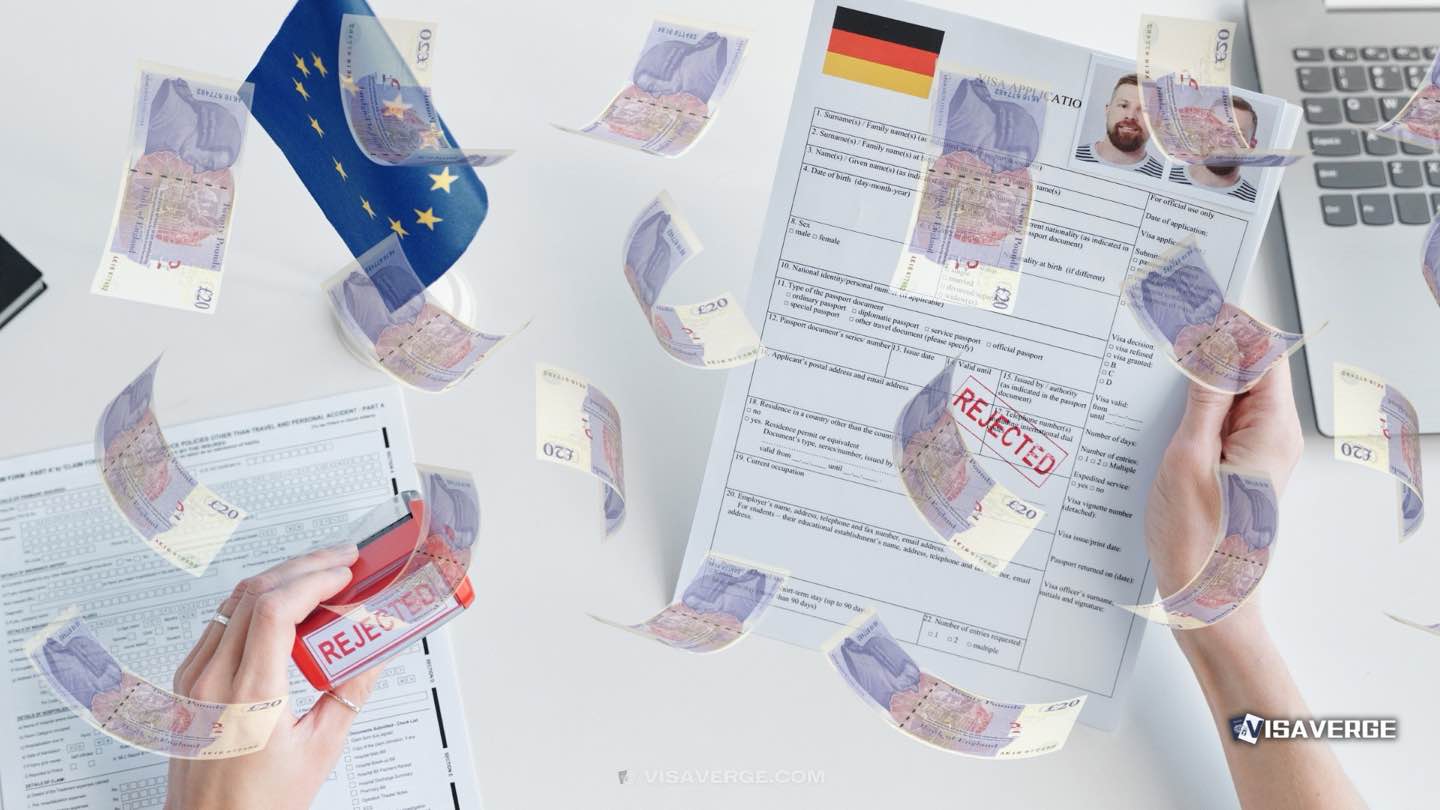
(AFRICA) Africans are losing more money than ever on denied Schengen visa applications, and the standard €90 fee is at the center of the damage. In 2025, rejection rates in many African countries topped 40%, while African applicants accounted for 28% of all short-stay visa applications but 45% of global refusals.

That gap has translated into more than $82 million in lost fees alone, with extra losses from agency charges, flights, hotels, and insurance pushing the real bill much higher. VisaVerge.com reports that the pattern reflects both tighter European migration controls and a steady rise in application volumes from across Africa.
Fees Rising as Rejections Stay High
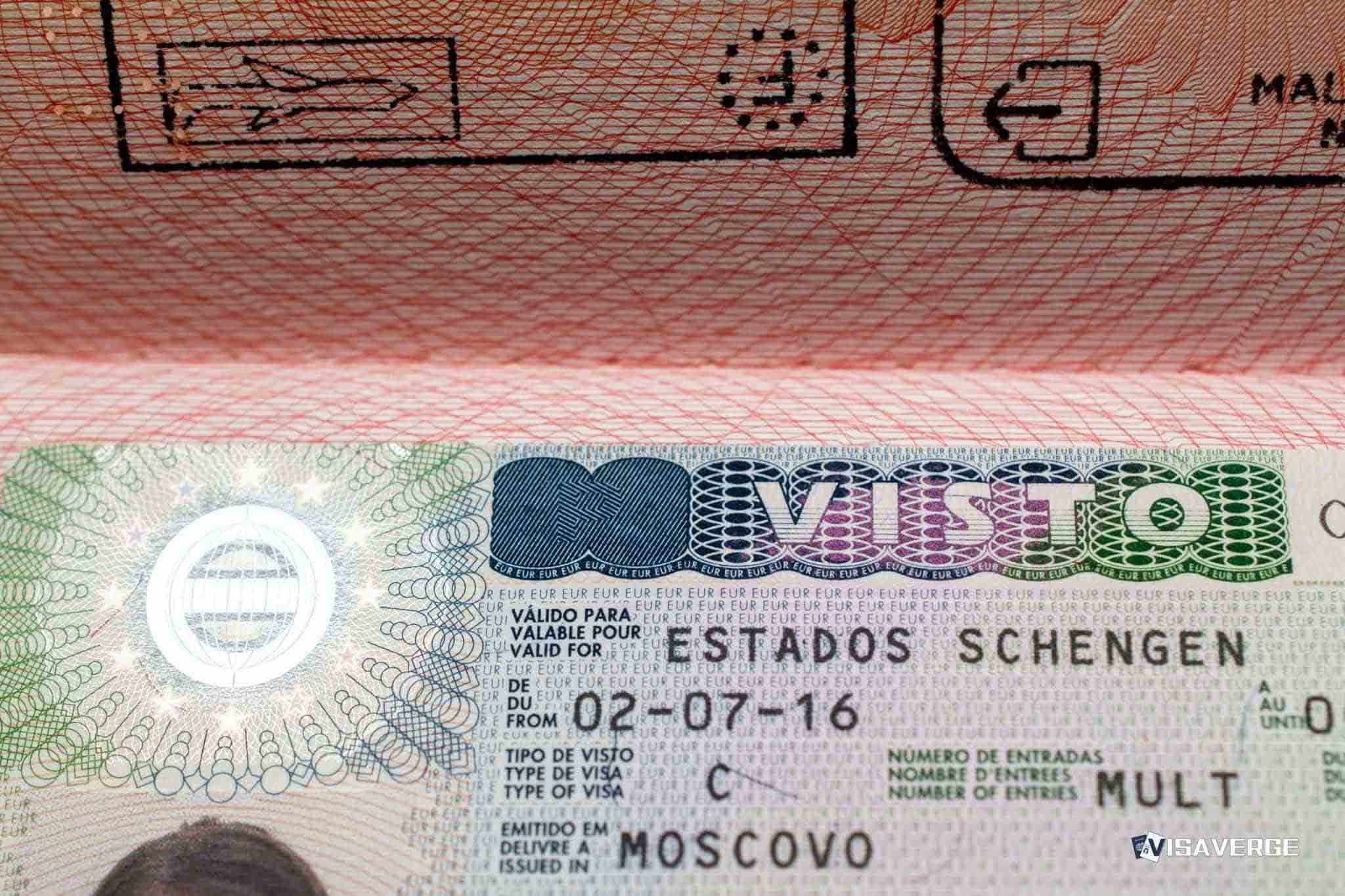
The standard short-stay Schengen visa fee is €90 as of 2026. That is a 12.5% rise from the former €80 fee, and it has not been reversed. For many applicants, especially in lower-income households, the cost represents several weeks of wages.
Free toolSchengen Short-Stay Visa CalculatorEuropean Commission Schengen visa statistics show that Africans faced an average rejection rate of 37.6% in 2025, compared with the global average of 13.2%. That difference is not just a policy statistic. It determines who can visit family, attend business meetings, study, or receive medical care in Europe.
Nigeria recorded a 45.2% rejection rate in 2025, up from 43% in 2024, and applicants from there lost more than €15 million in fees from over 250,000 applications. Ghana followed at 42.8%, Senegal at 41.5%, while Algeria and Morocco together generated about €20 million in losses because of large application volumes.
Where the Financial Pain Lands
The fee is only the first loss. Private visa agencies often charge €50 to €200 more, and those charges are also non-refundable. Applicants who buy flights, reserve hotels, or purchase insurance before a decision can lose another €300 to €500. For many families, the total hit lands between €400 and €800 per application.
That burden has led economists to describe the system as “reverse remittances,” because money flows from Africa to Europe through payments that produce no travel. By this estimate, more than €100 million leaves Africa each year through unrecoverable visa-related spending.
The effect is visible in everyday life. Students miss exchange programs, business owners miss trade fairs, and families stay apart for months longer than planned. In Ghana, rejected medical travelers lost about $2 million in bookings. In Nigeria, the number of denials has already damaged plans for work trips and family visits.
Why African Applicants Face the Highest Refusal Rates
Visa officers cite intent to overstay in a large share of refusals. European officials have tied that concern to irregular migration pressure, including more than 200,000 irregular crossings from Africa in 2025. Biometric checks and risk profiling also weigh more heavily on applicants from countries with high emigration levels.
Income differences drive another layer of refusals. Countries below $2,000 in GDP per capita, including Nigeria at about $1,900, face rejection rates above 40%. Wealthier applicants from higher-income states are refused far less often. Proof-of-funds rules also block many files, since applicants must show daily spending money, return travel, and clean documentation at once.
Processing delays add pressure. In 2025, average processing time stood at 21 days, but high-volume posts such as Lagos took 45 days or more. Delays often lead to rushed filings, missing documents, and final refusals.
New Rules Tightening Access
The European Union has hardened visa policy since 2024. The standard fee rose from €80 to €90 in June 2024. Then the EU raised costs to €135 for some “low-cooperation” countries, including Gambia and Ethiopia, and later applied similar pressure to other states.
A broader shift came with the 2025 Visa Code updates, which required digital submissions and stronger fraud checks. Those changes helped push rejections higher. The EU also rolled out ETIAS in 2025 for visa-exempt travelers, adding a €7 authorization fee and more pre-screening.
The EU’s New Pact on Migration, adopted in 2024 and being phased in from 2026, focuses on returns, border technology, and tighter screening. In practice, that has reduced short-stay approvals across the continent.
Europe’s Revenue, Africa’s Loss
Schengen states collected about €1.2 billion in visa fees in 2025, including roughly €200 million from rejected applications. African applicants generated 42% of that rejection revenue. The numbers reveal a hard truth: Europe earns from refusals while speaking publicly about legal mobility and partnerships.
That tension sits at the heart of the current system. Legal visits from Africa have fallen 12% since 2023, even as trade and people-to-people ties remain central to EU-Africa relations. At the same time, smuggling routes have reportedly grown more active, with a 20% rise in 2025.
Country Patterns That Stand Out
Some countries have been hit harder than others. Ethiopia and Gambia saw rejection rates jump to 48% to 52% after EU sanctions linked to readmission issues. Senegal’s rate rose amid diplomatic tension over migrant returns. Algeria also faced tougher treatment in January 2026.
These patterns are not just abstract numbers. They shape who gets to travel and who stays stuck at home. They also influence how people view the Schengen visa system, especially when the €90 fee must be paid before any decision is made.
Official Information and Filing Rules
Applicants can review the EU’s visa framework on the European Commission’s official visa page. That page explains the Schengen visa rules, fee structure, and general application requirements.
For application forms and country-specific filing details, consulates and official visa centers remain the safest reference points. Applicants should use only authorized submission channels and avoid brokers who promise faster results for extra money.
What the Numbers Point Toward
The future depends on whether the EU softens its return-focused policy or keeps tightening controls. As ETIAS expands and the migration pact takes fuller effect, rejection rates could stay near current levels or rise further.
African governments are already pushing back. Nigeria’s 2025 visa bond scheme aims to support stronger applications, while the African Union has called for fee refunds and more balanced visa treatment. For now, the Schengen visa remains a costly gamble for many African travelers, and the rejection rates show no sign of easing without policy change.