- The Department of Homeland Security clarified there is no major change in policy regarding green card applications.
- Initial reports suggested temporary visa holders must apply from their home countries through consular processing.
- Officials indicate that any changes may be applied on a case-by-case basis with several exceptions.
(U.S.) – The Department of Homeland Security said on Friday there was “no major change in policy” after an earlier announcement said most immigrants on temporary visas seeking permanent residency would have to leave the United States and apply for green cards from their home countries.
The clarification narrowed the agency’s headline claim but left basic questions unanswered, including who would be affected and how any new requirement would be enforced in practice.
Last week’s announcement said people in the United States on temporary visas who wanted permanent residency would have to return abroad and apply through consular processing. That would mark a break from the in-country adjustment of status path used by many applicants.
DHS then backed away from the breadth of that statement. On Friday, the agency said the change was not a broad overhaul, even as the public explanation remained thin.
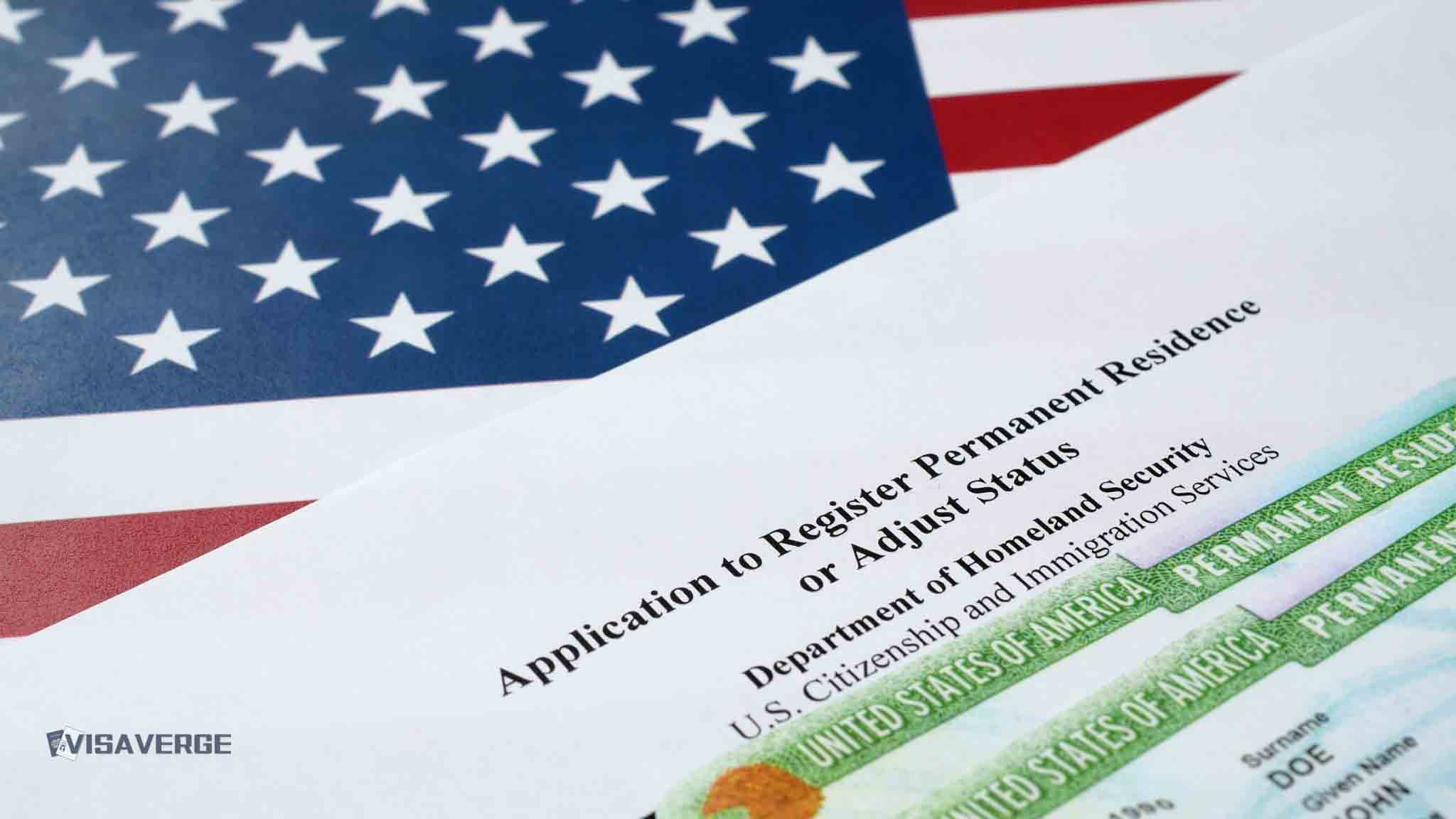
The dispute turns on two long-standing routes to permanent residency. Adjustment of status allows an applicant already in the United States to remain there while a green card case is processed, while consular processing requires the applicant to pursue the case from outside the country.
That distinction carries practical weight. A person told to leave the country and apply abroad would no longer follow the same in-country path that many temporary visa holders have used to seek permanent residence.
The earlier DHS announcement suggested that shift would apply widely to immigrants on temporary visas. Friday’s clarification indicated otherwise, saying there was “no major change in policy” and signaling that the earlier claim was not a sweeping rewrite.
Even after that statement, the scope remained difficult to pin down. Reporting cited in the public account indicated the policy might be applied “case by case“, rather than through a blanket rule covering all applicants on temporary visas.
A USCIS memo also suggested there could be exceptions for “extraordinary circumstances” or “economic benefit”. Those phrases pointed to a narrower and more discretionary approach than the original announcement implied.
Jonathan Allen said it was “not immediately clear” whether the requirement would actually take effect. He also said lawsuits were likely.
That uncertainty reflects the gap between the original announcement and the follow-up explanation. DHS publicly framed the Friday clarification as proof that there had been no broad policy overhaul, but the earlier message had described a far wider change to how some applicants would pursue green cards.
The issue centers on adjustment of status cases. Public reporting tied the possible change to those filings and drew a clear line between adjustment inside the United States and consular processing abroad.
Temporary visas and permanent residency already sit on different legal tracks. A temporary visa lets a person stay in the country for a limited purpose and period, while permanent residency offers a route to live in the United States on an ongoing basis through a green card.
Many applicants build their cases around the assumption that they can seek permanent residency without leaving the country. Any move by the Department of Homeland Security to push more cases into consular processing would alter that calculation, even if officials later apply the change selectively.
The Friday clarification did not resolve whether the government plans to use that approach broadly, narrowly, or only in individual cases. It also did not settle how officers would decide when an exception for “extraordinary circumstances” or “economic benefit” applies.
Those unanswered questions matter for immigrants on temporary visas who are weighing whether to file, wait, or prepare for travel abroad. The practical effect depends on whether DHS and USCIS treat the policy as a general rule, a discretionary option, or a limited tool for certain cases.
Legal challenges appear likely if the government tries to impose the original version of the announcement. Allen’s warning about expected lawsuits underscored how quickly any attempt to force applicants out of the country could face court scrutiny.
The back-and-forth also exposed how sensitive the green card process remains for people already living and working in the United States. A broad shift from adjustment of status to consular processing would not be a technical change; it would alter where people wait, how they plan, and whether they can stay in the country while their cases move forward.
For now, the clearest point is the narrowest one: DHS said there was “no major change in policy”, while its earlier announcement had said most immigrants on temporary visas would have to leave the United States and apply from their home countries. Until the agency issues fuller guidance, applicants and lawyers are left with a revised message, limited detail, and the prospect of case-by-case decisions.