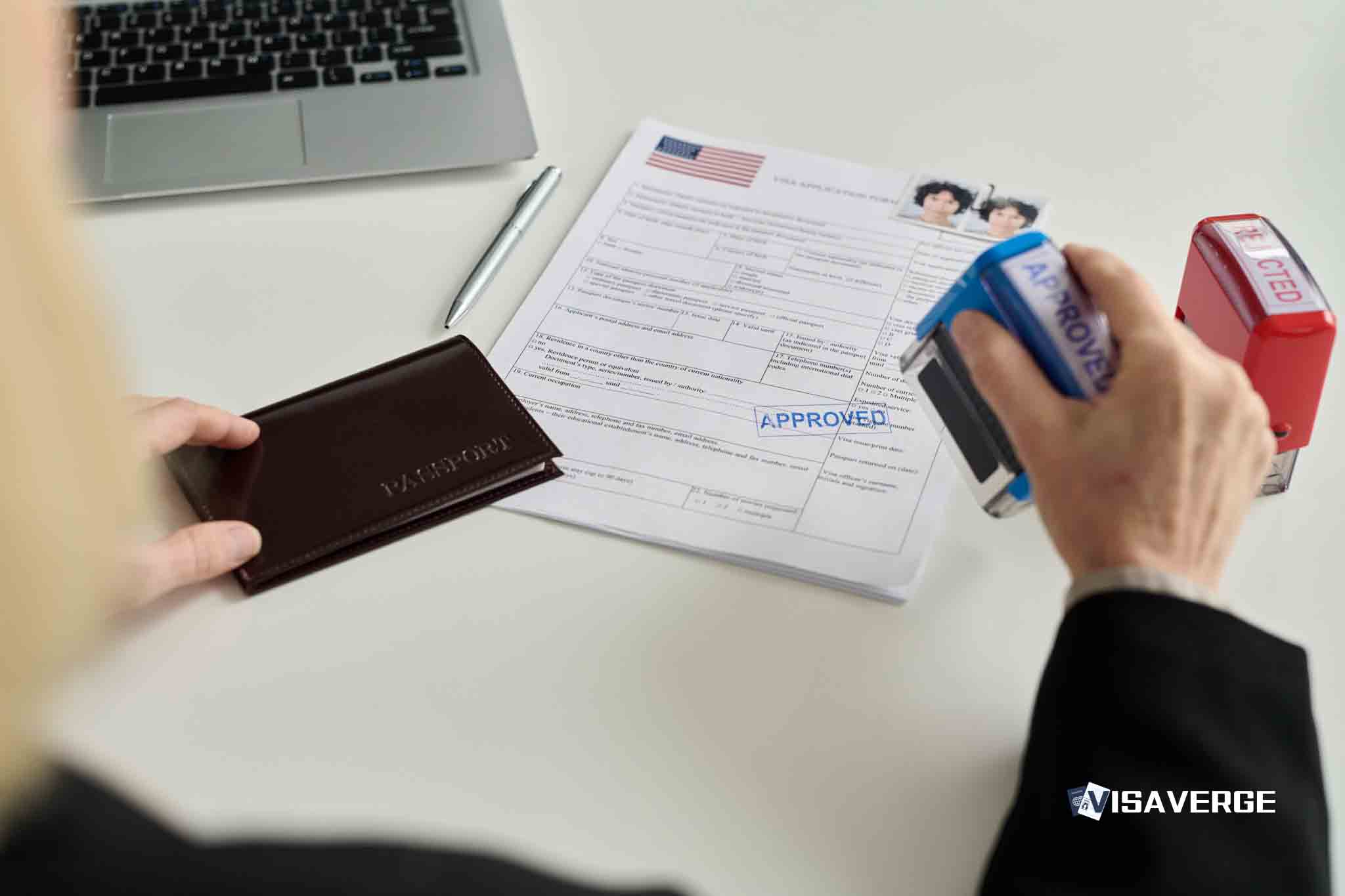
- Germany is ending the remonstration procedure for all visa rejections starting July 1, 2025.
- The policy change aims to reduce visa appointment wait times by freeing up consular staff.
- Official processing times for complete Schengen applications remain at 15 calendar days.
(GERMANY) — Germany’s Foreign Office said it expects shorter visa waiting times after abolishing the remonstration procedure for visa rejections worldwide from 1 July 2025, a change it said has freed staff in visa sections to handle more applications.
The ministry said the move allows embassies and consulates to process more Schengen visa and national visa applications and to reduce waiting times compared with the same period the year before.
Free toolSchengen Short-Stay Visa Calculator
Official guidance for Schengen cases has not changed. German authorities still say they normally decide a correct application within 15 calendar days once it has been submitted.
The bottleneck sits earlier in the process. Applicants can still face a waiting period to secure an appointment to submit a file, especially during peak travel seasons, and the Foreign Office tied the remonstration change to that pressure on staff time and processing capacity.
Remonstration was the procedure that let visa applicants challenge a rejection directly through the mission that handled the case. By ending that step worldwide, the Foreign Office said it released staff capacity inside visa sections.
That shift matters most where queues build before an application is formally lodged. A consular section that spends less time on post-decision review work can use more staff hours for intake and case handling, the ministry said.
The formal benchmark for a complete Schengen file, however, remains the same. Once a correct application is in the system, the standard decision timeline is still 15 calendar days.
German officials framed the change as an administrative measure aimed at appointment and processing bottlenecks, not as a rewrite of the legal or published decision window for complete applications. The distinction is central for travelers trying to judge where delays arise.
Many applicants focus on the published 15 calendar days because it is the clearest number in the process. Yet that clock starts only after a correct application is submitted, while pressure often builds before that point as people try to secure scarce appointment slots during busy periods.
Summer travel, holiday periods and other seasonal surges can stretch those waits. The Foreign Office said the abolition of the remonstration procedure should help by increasing the number of applications staff can move through the system.
That means the practical effect after 1 July 2025 should show up less in the official decision target than in how quickly applicants can get in front of a consular desk and how quickly missions can move applications through their workload. Germany’s announcement drew that line clearly.
The ministry’s message also applies beyond short-stay travel. It said staff capacity released by the end of remonstration could be used for both Schengen and national visa applications, broadening the effect across visa sections rather than limiting it to one category.
Even with more capacity, peak-season strain has not disappeared from the system described by the Foreign Office. Official guidance still warns that high-demand periods can create a waiting period for making an application, a reminder that seasonal surges can outrun staffing gains in some locations.
Applicants therefore face two separate timeframes. One is the wait to book an appointment and submit a file. The other is the decision period after a correct filing, which Germany still lists at 15 calendar days for a Schengen visa.
The change in the remonstration procedure affects the first pressure point more directly than the second. German officials said the goal was to ease access and throughput by freeing consular staff, not to alter the stated decision standard once a complete application has been accepted.
That distinction also shapes how waiting times should be read from one year to the next. A shorter overall path for applicants can come from faster access to appointments and a smoother flow through visa sections even when the formal decision timeline for complete Schengen files stays exactly where it was.
German missions have long faced uneven demand patterns. The Foreign Office signaled that the end of remonstration should let them process more applications than in the same period a year earlier, but appointment pressure during busy travel windows remains part of the official picture.
Anyone tracking the effect of the policy after 1 July 2025 will likely look first at how quickly appointments become available. That is where the ministry says the staffing gain should be felt most clearly, especially in places where the queue begins before the application reaches the formal review stage.
The official Schengen standard still gives applicants a clear reference point once they have submitted a correct file: 15 calendar days. Germany’s message was that the remonstration procedure change sits around the edges of that timeline, targeting the congestion that builds before and around processing rather than rewriting the benchmark itself.
Country-by-country appointment patterns may offer the clearest picture of how much relief applicants actually see in 2026, because local demand and seasonal spikes can vary sharply between embassies and consulates even under the same central policy.