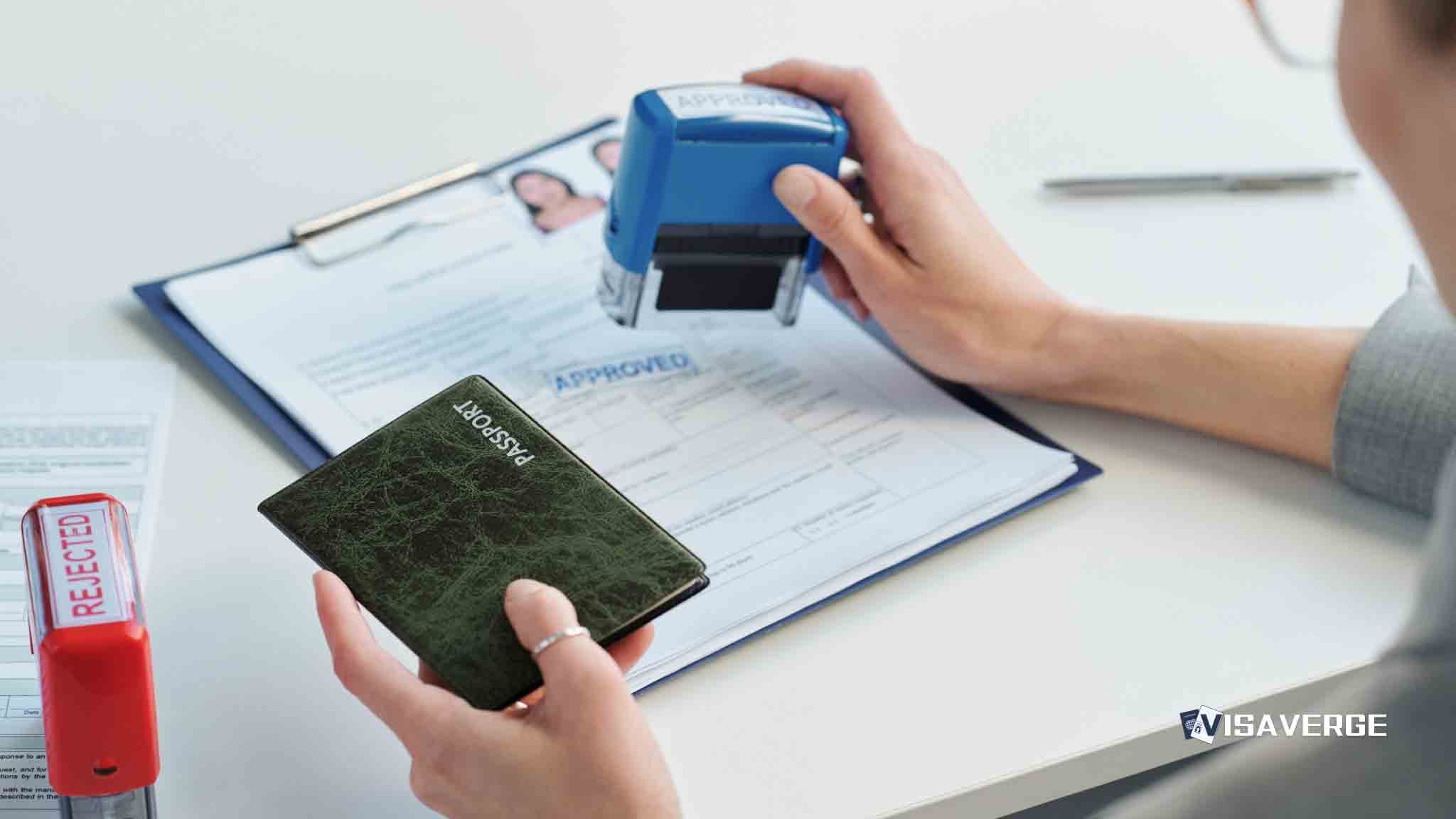
- Germany has launched a Consular Services Portal to digitalize long-stay visa applications for work, study, and family.
- Applicants can upload documents online for preliminary review before attending their mandatory in-person mission appointment.
- The system targets skilled workers and students from high-demand regions like India, Nepal, and the Philippines.
(GERMANY) — Germany has launched a Consular Services Portal that moves many long-stay visa applications into a digital process, giving foreign nationals a new online route to apply for work, study, vocational training and family reunification visas.
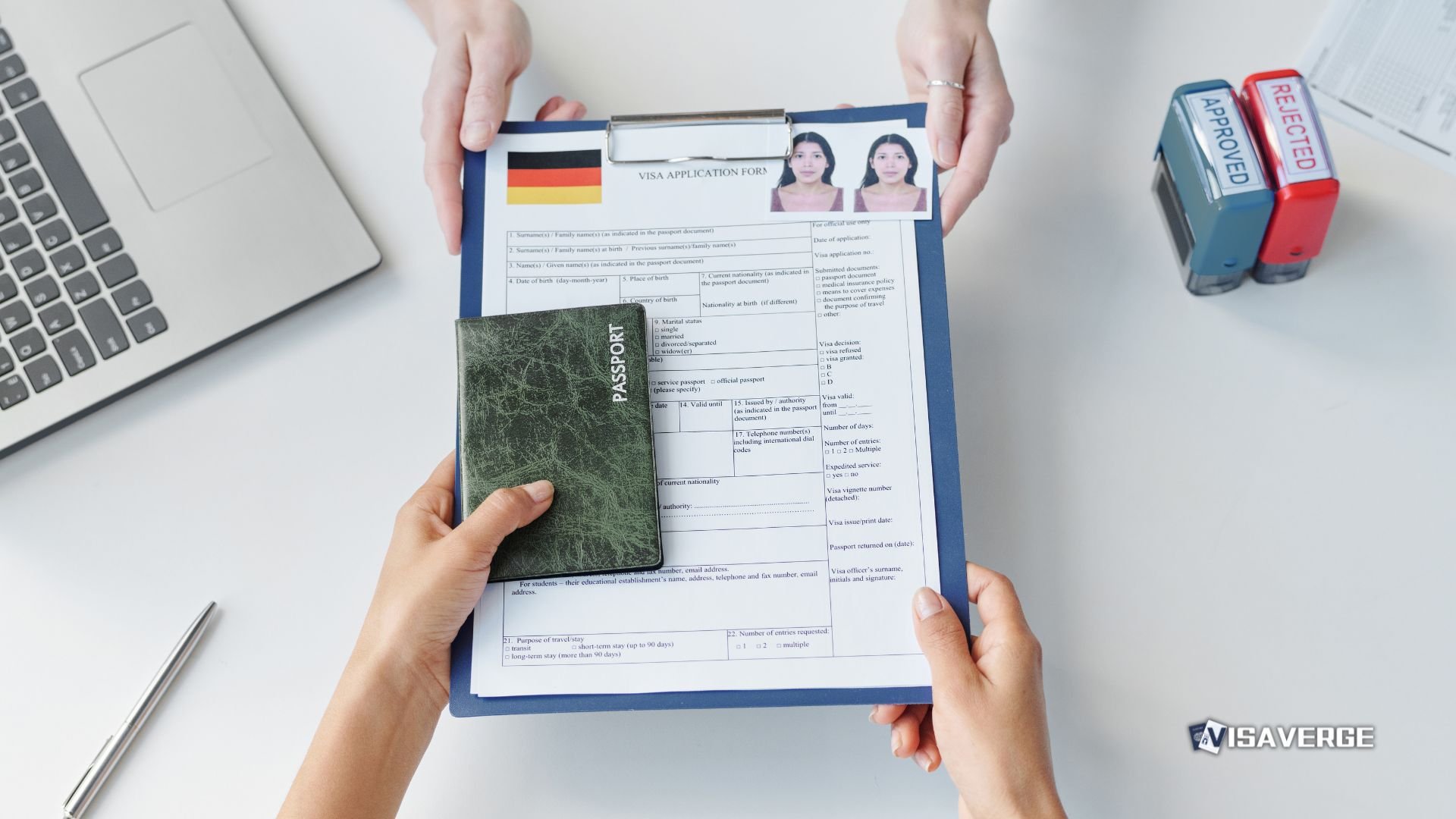
The German Federal Foreign Office created the platform to move national visa applications online, away from paper forms and physical appointment queues. Applicants can create an account, choose a visa category, complete an application form and upload supporting documents before attending an in-person appointment at a German mission or visa centre.
Free toolREAL ID Requirements Checker tool
Demand for German visas runs high in India, Nepal, Bangladesh, Sri Lanka, the Philippines and other countries. The digital system may reduce paperwork confusion and add transparency to a process that has long frustrated applicants with document gaps and long queues.
But the Germany Online Visa Portal does not eliminate the need for proper documents, biometrics, identity checks or final approval. Visas remain anything but automatic.
Visa Categories Covered
The portal covers a broad range of long-stay visa categories. These include employment visas, the EU Blue Card, the Opportunity Card, visas for skilled workers, study visas, student applicant visas, vocational training visas and family reunion visas, along with several other national visa categories.
Availability depends on the specific German mission and the applicant’s country of residence. The portal handles national visas for longer stays, not every short-stay Schengen travel situation. Tourists and short-term visitors must verify whether their visa type follows a different procedure.
Skilled Workers and the Digital Process
Skilled workers gain a more structured first stage through the digital portal. Germany is working to attract qualified talent in engineering, IT, healthcare, construction, research, skilled trades and technical occupations. Applicants can upload qualifications, employment contracts, recognition documents, language certificates and other evidence before the appointment. This reduces the risk of arriving at the embassy with missing paperwork.
If the mission identifies a problem during preliminary review, the applicant may receive feedback before the in-person stage. The online upload does not function as a guarantee. Visas will still be assessed under German immigration law, with close examination of qualification recognition, salary, job role, employer details, professional licence requirements and financial documents.
Students Benefit from Digital Filing
Students gain similar advantages. Germany remains a major destination for international students drawn by public universities, research opportunities, English-taught master’s programs and relatively lower tuition compared with some other countries. The online system helps applicants organize visa files by uploading admission letters, proof of funds, blocked account details, academic records, health insurance documents, passport information and other required evidence.
Digital filing does not remove core requirements. Indian students and other applicants should remember that university admission and visa approval are separate steps. A German university admission letter carries weight, but it does not by itself guarantee a visa.
Family Reunification Cases
Family reunification applicants stand to benefit from the digital system because family cases typically involve extensive documentation. Spouses, children and other eligible family members may need to submit marriage certificates, birth certificates, passports and residence documents of the sponsor in Germany. Additional evidence can include proof of accommodation, proof of income, language certificates and other documents depending on the case.
The online portal helps applicants upload and organize these documents in advance, adding transparency. Family reunion cases can still take time. Documents may need legalization, apostille, translation or verification. The German mission may also need to confirm facts with German authorities, meaning online submission does not translate to immediate approval.
Application Process Steps
Eight general steps structure the application process. Applicants first use the visa navigator or portal to identify the correct visa category, then create an online account in the Consular Services Portal. After completing the online application form, they upload required supporting documents and submit the file for preliminary review.
If the file moves forward, the applicant receives instructions about booking an appointment. The applicant then attends the appointment at the German mission or visa application centre, where identity, documents, biometrics and other steps are completed. Final assessment follows under immigration law.
The process remains partly digital and partly in person. The online portal does not replace the embassy, consulate or visa centre stage.
Critical Warnings for Applicants
One of the most critical warnings: if invited to book an appointment after online submission, it does not necessarily mean the application is complete or that the visa will be granted. Preliminary review serves only as an early check. Final examination happens after the in-person appointment.
A visa officer may still ask for more documents, verify information, conduct further checks or refuse the application if requirements are not met. The online portal functions as a document and process tool, not as a shortcut around the law.
Preparing Your Documents
Before starting the online application, applicants should prepare a valid passport, select the correct visa category and have a passport-size photo ready if required. Education certificates, employment contracts or job offers for work applications, university admission letters for study applications, and vocational training contracts for training applications form the core of most files.
Family documents are needed for family reunion cases. Proof of funds, health insurance, recognition documents, language certificates, CV and work-experience evidence, translations, legalizations or apostilles and previous visa or residence documents round out the list depending on the visa type.
Applicants who upload incomplete or unclear documents risk delays. Scans should be clear, with names, dates and passport numbers consistent across all files.
Common Mistakes to Avoid
Several common mistakes can derail an application. Selecting the wrong visa category ranks among the most frequent errors. Others include uploading unclear scans or cropped documents, forgetting translations or legalization, and assuming that online submission means visa approval. Other mistakes include waiting too long to book an appointment after receiving instructions and using unofficial agents or fake portals.
Paying through unofficial links, uploading inconsistent documents, ignoring portal messages and failing to carry originals to the appointment also carry consequences.
Avoiding Fraud and Scams
As more visa processes move online, fake websites and agents may try to exploit applicants. The German government advises using only the official Consular Services Portal and official German mission or authorized visa-centre websites. Any agent claiming to guarantee approval, guarantee an early appointment, bypass document checks or “fix” missing qualifications should be treated as a red flag.
Impact on Indian Applicants
The digital process may reduce avoidable delays caused by missing documents, incomplete files and unclear paperwork. It can also improve transparency, since applicants may receive feedback through the portal. Waiting times still vary depending on the country, visa category, number of applications, document verification needs and available appointment capacity.
Indian applicants are likely to benefit from the digitalization because demand for German work, study and family visas is high in the region. Students applying for German universities, skilled workers seeking EU Blue Card or employment visas, and spouses applying for family reunion should prepare documents before starting the online process.
Documents from India may sometimes require translation, apostille or verification depending on the case. Students may also need proof of funds, blocked account evidence and health insurance. Skilled workers may need qualification recognition or comparability evidence. Family applicants may need civil-status documents and sponsor evidence from Germany. Applicants should also check whether the relevant German mission or VFS centre has special instructions for their city or region.
Germany’s Broader Immigration Reforms
The online visa portal forms part of Germany’s broader effort to modernise immigration processing and attract talent. Germany has introduced several reforms for skilled workers, including the EU Blue Card, Opportunity Card, skilled worker routes and recognition-based pathways.
A digital application system supports these reforms by giving applicants a clearer way to submit documents and by helping missions process files more efficiently. Germany’s skilled migration system remains document-heavy. Applicants must still prove qualifications, employment eligibility, salary, language ability where required and financial capacity.
The best approach for skilled workers, students and families is to treat the online portal as a tool for better preparation. A strong application still depends on accurate documents, genuine eligibility and careful planning.