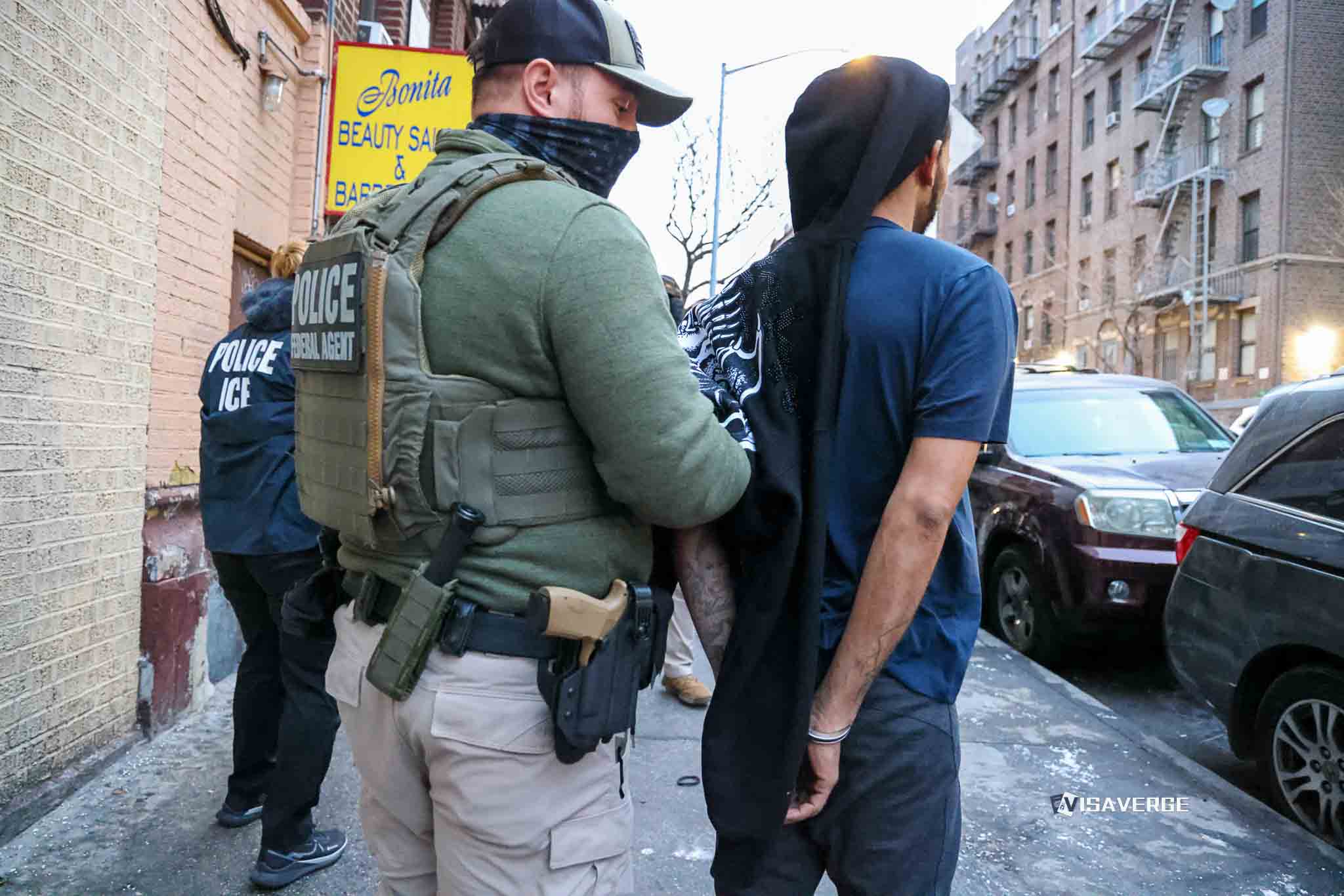
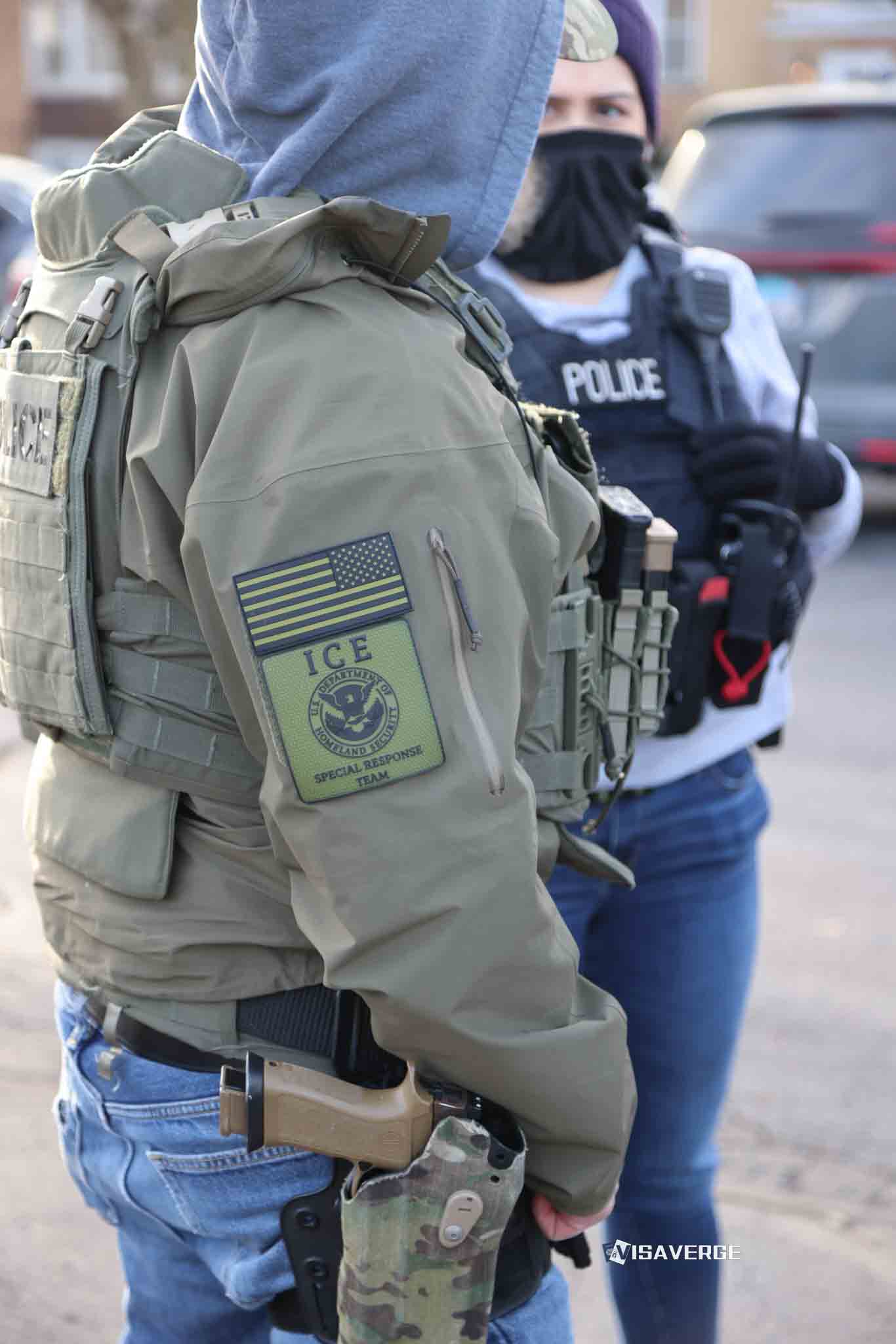
- The House passed a bill establishing a new retail crime coordination center under ICE control.
- The legislation unites five federal agencies to share data and investigate organized shoplifting networks.
- Critics warn the bill expands immigration surveillance by granting ICE access to confidential civilian data.
The House passed a bill that would place a new organized-retail-crime coordination center under Immigration and Customs Enforcement, sending the measure to the Senate as lawmakers weigh a broader federal role in shoplifting investigations.
The Combating Organized Retail Crime Act, known as CORCA, cleared the House on May 12, 2026, by a 348-60 vote. The Senate Judiciary Committee is reviewing the measure.

Sen. Chuck Grassley introduced the bipartisan bill. Grassley and Sen. Dick Durbin have sought to attach it to the 2027 National Defense Authorization Act, while Grassley has urged senators to complete work before the summer session ends.
The proposal covers organized retail theft and supply-chain crime. That includes shoplifting linked to alleged criminal networks.
Its Senate path remains unsettled. A vote has not yet occurred.
The legislation would give ICE a coordinating role rather than simply add another penalty for shoplifting. Its central feature is a federal center that would gather investigative information and connect personnel from several agencies.
The proposed center would connect ICE with four other federal agencies
CORCA would establish an “Organized Retail and Supply Chain Crime Coordination Center” under ICE. Analysts and agents from the FBI, DEA, CBP and Secret Service could work with ICE personnel there.
A director selected by the head of ICE would lead the center. The bill also calls for “a secure system for sharing information regarding organized retail and supply chain crime threats” across Department of Homeland Security and Department of Justice systems.
The legislation would permit the center to receive some information that federal law otherwise treats as confidential. The director would have to approve that sharing.
Rep. Dina Titus, D-Nev., said the bill targets coordinated operations rather than isolated thefts.
“These sophisticated operations go far beyond one bad actor shoplifting. [CORCA] gives law enforcement more tools to find and prosecute bad actors.”
Rep. Laurel Lee, R-FL, has pointed to a 93% increase in retail theft over the previous four years as the reason for federal intervention. That figure is Lee’s cited justification for the legislation, not an official projection contained in the material.
Supporters point to coordinated theft and existing detention powers
Supporters frame the proposal as a way to connect cases that cross jurisdictions and involve organized networks. The bill’s information-sharing provisions are designed around that theory.
A separate federal law already links theft allegations to immigration detention. The Laken Riley Act, Pub. L. 119–1, became law on January 29, 2025, and requires mandatory detention of non-citizens charged with theft or shoplifting.
The law changed the Immigration and Nationality Act. The measure followed the February 2024 murder of Laken Riley, a Georgia nursing student. The suspect, a Venezuelan migrant, had previously been arrested for shoplifting in New York and released.
The two measures address different points in enforcement. The Laken Riley Act concerns detention of covered non-citizens. CORCA would organize investigative data and personnel around retail and supply-chain crime.
The projected resources tied to the broader enforcement effort include:
| Measure | Figure or description |
|---|---|
| Estimated first-year cost of implementing the Laken Riley Act | $26.9 billion |
| Additional detention capacity cited in internal ICE documents | 110,000 beds |
| Additional enforcement personnel cited in those documents | 10,000 |
| 2026 DHS funding measure for ICE and CBP enforcement | $70 billion |
| Arrests during late-2025 “Operation Angel’s Honor” | 1,030 criminal non-citizens |
The operation lasted 14 days. The arrests were described as occurring under the Laken Riley Act’s authority.
DHS reported on August 4, 2026, that 3 million non-citizens had been removed from the United States since the start of the current administration. Shoplifting and theft-related arrests were identified as a top category for interior enforcement.
Critics say the center could expand immigration surveillance
Opponents argue that CORCA reaches beyond organized retail theft by giving immigration authorities access to more information about people’s movements and everyday activity.
Aidan Cotter, director of federal advocacy at Vera Action, described the bill as a surveillance measure rather than a public-safety measure.
“CORCA is not a safety bill, it’s a surveillance bill. It’s a Trojan horse bill that would dramatically expand DHS power by providing them with more people’s data and entangling them in local law enforcement.”
An advocacy message opposing the bill says it would let DHS and ICE “surveil our communities and track our movements.” The message also characterizes the proposal as a way to “spy on us.”
The disagreement centers on the proposed center’s reach. Supporters emphasize cross-agency investigations into organized crime. Critics focus on the flow of confidential information through an ICE-led system.
A separate bill would restrict some traveler-data sharing
Rep. Rashida Tlaib introduced the No TSA Data for ICE Act on August 3, 2026. The measure was referred to the House Homeland Security, Judiciary and Ways and Means committees.
That bill would block DHS from using certain traveler data for ICE and CBP enforcement functions. Its introduction adds another legislative dispute over how federal agencies may use information collected for other purposes.
The administration has defended expanded immigration enforcement. Secretary of Homeland Security Markwayne Mullin said on August 7, 2026:
“Every day, DHS is delivering on President Trump’s mandate from the American people to deport illegal aliens from our country. With deportations up, crime has gone down across the country. We will not stop deporting illegal aliens until we have made America safe again.”
Senate Majority Leader John Thune called expanded detention for shoplifting a “common sense measure that should be an unquestioned yes for every senator.”
One detention case illustrates the immigration stakes
Beata Siemionkowicz, a Polish-born green card holder since 2003, has remained in ICE detention in Kentucky for nearly a year as of August 2026.
The detention is based on misdemeanor shoplifting convictions from 2005 and 2011. ICE reclassified those convictions as “crimes involving moral turpitude” under new enforcement priorities.
The Senate Judiciary Committee remains CORCA’s next legislative checkpoint. Grassley is pressing for a vote before the end of the summer session.
This article provides general information and is not legal advice. Consult a qualified immigration attorney about your specific case.