Key Takeaways:
- Germany is a top choice for international students with its prestigious universities and diverse study programs.
- Citizens of EEA/EU and some other countries do not need a visa, but international students must register upon arrival.
- German offers two study visas: Student Applicant Visa for conditional admissions and Student Visa for confirmed admissions.
Are you considering pursuing higher education in Germany? With its prestigious universities and vast array of study programs, Germany has become a top destination for international students. In this comprehensive guide, we’ll walk you through everything you need to know about obtaining a Germany Student Visa or a Student Applicant Visa.
Do I Need a Visa to Study in Germany?

Are you wondering if you need a visa to study in Germany? Only citizens from specific countries can study in Germany without a visa. This includes those from the European Economic Area (EEA), European Union (EU), and some other nations. Here’s a list of countries whose citizens do not require a visa:
- EEA/EU countries
- Australia
- Brazil*
- Canada
- Israel
- Japan
- New Zealand
- South Korea
- United States
- Switzerland
(*Note: Citizens from Andorra, Brazil, El Salvador, Honduras, Monaco, and San Marino need a visa only if they plan to work during or after their studies.)
Free toolSchengen Short-Stay Visa CalculatorEven if you don’t need a visa, all international students must register at the local Residents’ Registration Office and the Aliens’ Registration Office within two weeks of their arrival in Germany.
Types of German Study Visas
Germany offers two main types of visas for students:
Germany Student Applicant Visa
- Who Needs It? This visa is for students who have a confirmation letter from a German university but have not yet received formal admission.
- Validity: Initially valid for three months, with the possibility to extend for an additional six months.
- Extension: You can extend it for up to six months if needed.
Germany Student Visa
- Who Needs It? This visa is intended for students who have already been admitted to a German university.
- Validity: Typically valid for the entire duration of your study program.
- Extension: You would need to obtain a Student Residence Permit for long-term stay.
Documents Required for German Student Visa
When applying for a German Study Visa, ensure you have the following documents:
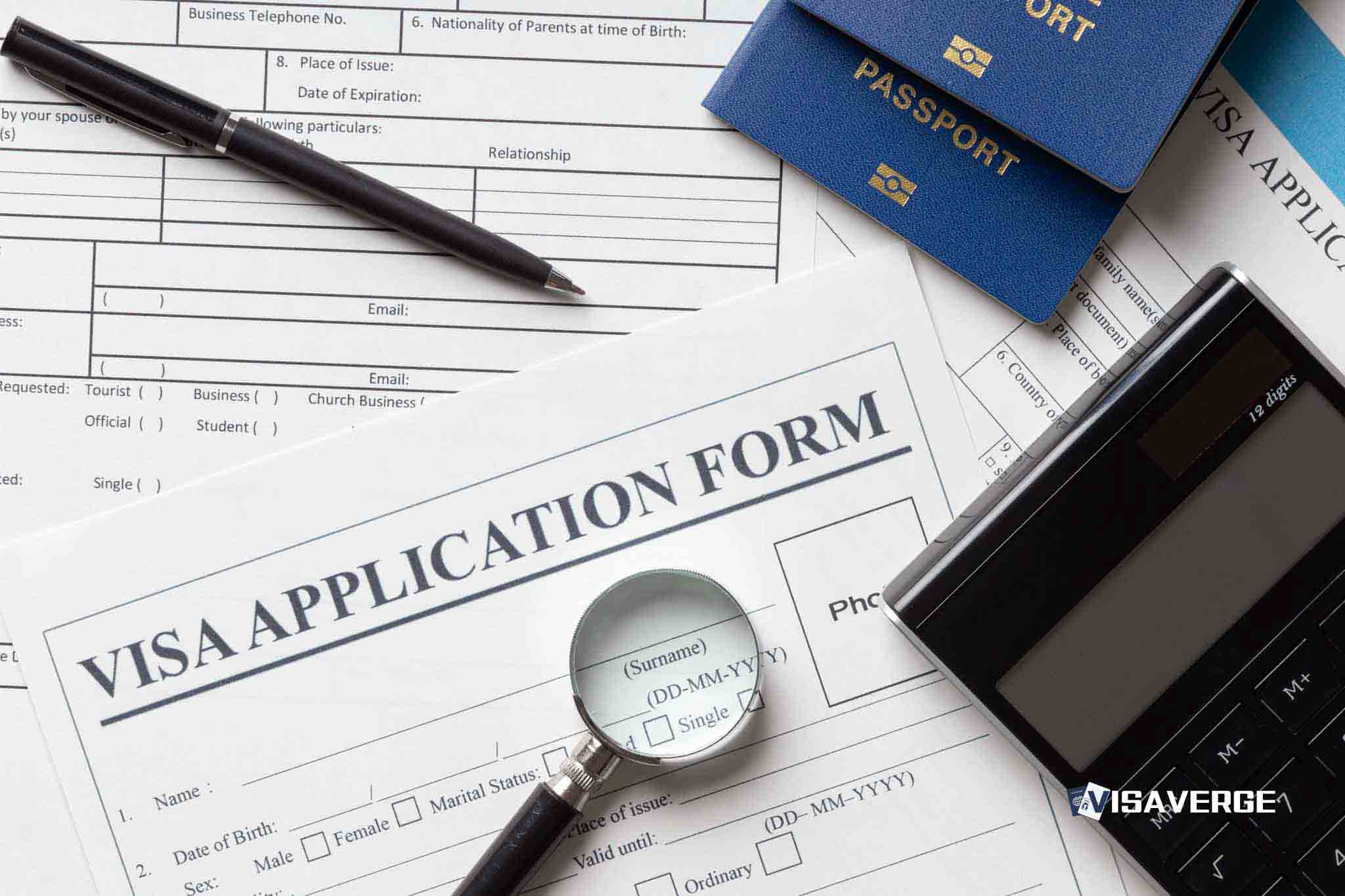
- Duly completed Germany Student Visa application form.
- Valid passport with an additional six months’ validity from your planned date of departure and at least one blank page.
- Proof of civil status (marriage certificate, birth certificates, etc.).
- Two identical, high-quality photographs.
- Copies of previous visas, if applicable.
- Proof of accommodation in Germany.
- Proof of covered student health insurance for your stay in Germany.
- Motivational letter for attending a language course (if applicable).
- Curriculum Vitae (CV) with evidence of previous internships and employment.
- Proof of financial means, such as personal financial statements for the last three months, scholarship award certificate, written confirmation from parents or a sponsor, or a blocked account (known as Sperrkonto). You need at least €10,332 per year or €861 per month.
Applying for a Germany Student Visa
Ready to apply? Follow these steps carefully:
1. Fill out the Germany Student Visa Application Form
Start by filling out the application form accurately with complete details about yourself and the purpose of your travel. You can download the form here.
2. Collect Required Documents
Gather all necessary documents as per your admission status and the visa requirements mentioned above.
3. Schedule an Appointment
Book your visa interview appointment at the German Embassy or Consulate in your country. Note that your application can only be processed with a pre-booked appointment.
4. Attend the Visa Interview
On the day of your interview, make sure to arrive on time – lateness by more than ten minutes may result in your application being rejected. Bring all required documents and be prepared to spend approximately 10 minutes for submission.
5. Pay the Visa Fee
Once your application has been verified, you’ll need to pay a fee of €75. You’ll receive a receipt, which you should keep to collect your processed application.
6. Submit Biometrics
The final step is providing your fingerprints, a quick process of capturing a 10-digit fingerprint scan.
7. Wait for Processing
Typically, it can take 6 to 12 weeks for your application to be processed. The consulate may also request additional documents, so be prepared to provide these promptly.
After You Arrive in Germany
Once you have arrived in Germany with your student visa, follow these steps to ensure your stay is legal:
Register Your Address
Within two weeks of arrival, register your address at the nearest registration office. Bring your identification document, visa, and proof of address (rental contract).
Apply for a Student Residence Permit
You must apply for a Student Residence Permit within 90 days of entering Germany. Arrange a meeting with the local Immigration Authorities and bring all required documents to the interview.
Working in Germany with a German Study Visa
Wondering if you can work while studying? Here’s what you need to know:
- EU/EEA and Swiss Students: Allowed to work up to 20 hours a week during term time.
- Non-EU/EEA Students: Can work up to 120 full days or 240 half-days per year.
- Note: Unused days cannot be carried over to the next year.
Post-Study Employment
International students with a residence permit can extend it by up to 18 months after graduation to find a job in their field of study. Graduates from EU/EEA countries can stay and seek work without restrictions. After two years of employment, it’s possible to apply for permanent residency.
For more detailed information, you can visit the official German government website.
Frequently Asked Questions (FAQs)
1. When should I apply for a German student visa?
Apply at least eight weeks before your planned travel date to avoid delays.
2. Where do I lodge my visa application?
Submit your application at the German Embassy or Consulate in your home country.
3. How long does visa processing take?
It typically takes 6-12 weeks, but can vary based on individual circumstances.
4. What if I need to withdraw my passport during the process?
If you need your passport for travel or other reasons, you will have to restart the visa application process.
5. Can I work while studying in Germany?
Yes, but there are restrictions based on your country of origin and residency status.
Germany has become an attractive destination for students worldwide, thanks to its renowned educational institutions and diverse study programs. By following the steps outlined in this guide, you’ll be well-prepared to apply for your German Study Visa, ensuring a smooth transition to your new academic journey. According to VisaVerge.com, adhering to these guidelines will help you navigate the visa application process efficiently.
Happy studying in Germany!
Learn Today:
Glossary of Immigration Terms
- European Economic Area (EEA)
- A region consisting of the European Union (EU) member states and three countries of the European Free Trade Association (EFTA); allows for free movement of people, goods, and services among these nations.
- Germany Student Applicant Visa
- A short-term visa for students who have received a confirmation letter from a German university but are awaiting formal admission. It is initially valid for three months and can be extended up to six months.
- Sperrkonto (Blocked Account)
- A special type of bank account required for international students in Germany to prove they have sufficient financial means to cover their living expenses. Students need to deposit a mandated amount which is blocked and only accessible in monthly installments.
- Student Residence Permit
- A document that international students must obtain after arriving in Germany. It allows them to reside in Germany legally for the duration of their studies and can be obtained from the local Immigration Authorities.
- Post-Study Employment
- Policies allowing international graduates to stay in Germany for an extended period (up to 18 months) to seek employment in their field of study. Upon securing a job, they may further apply for permanent residency after two years of employment.
This Article In A Nutshell:
Germany is a top choice for international students, offering prestigious universities and a vast array of study programs. Depending on your nationality, you may need a Germany Student Visa or Student Applicant Visa. Follow the requirements and steps carefully to secure your visa and enjoy your educational journey in Germany!
— By VisaVerge.com
Disclaimer: The information provided in this article is for informational purposes only. If you reference or use any content from this article, please attribute it to VisaVerge.com by including a link to the original source. We appreciate your adherence to our content usage policies and your commitment to giving proper credit.