- The DOJ sued the city of Milwaukee over an ordinance banning federal officers from wearing masks.
- Milwaukee’s law imposes fines of $10,000 for concealing faces or hiding identification markers.
- Federal officials argue the mask ban violates the Supremacy Clause by regulating national law enforcement operations.
The DOJ sued Milwaukee on Thursday, July 23, 2026, over a city ordinance that bars federal law enforcement officers from wearing masks during official duties. The case was filed in the U.S. District Court for the Eastern District of Wisconsin.
The lawsuit names the City of Milwaukee, Mayor Cavalier Johnson, City Attorney Evan Goyke and Police Chief Jeffrey Norman as defendants. The Justice Department asks the court to declare the measure invalid and unenforceable against federal officers.
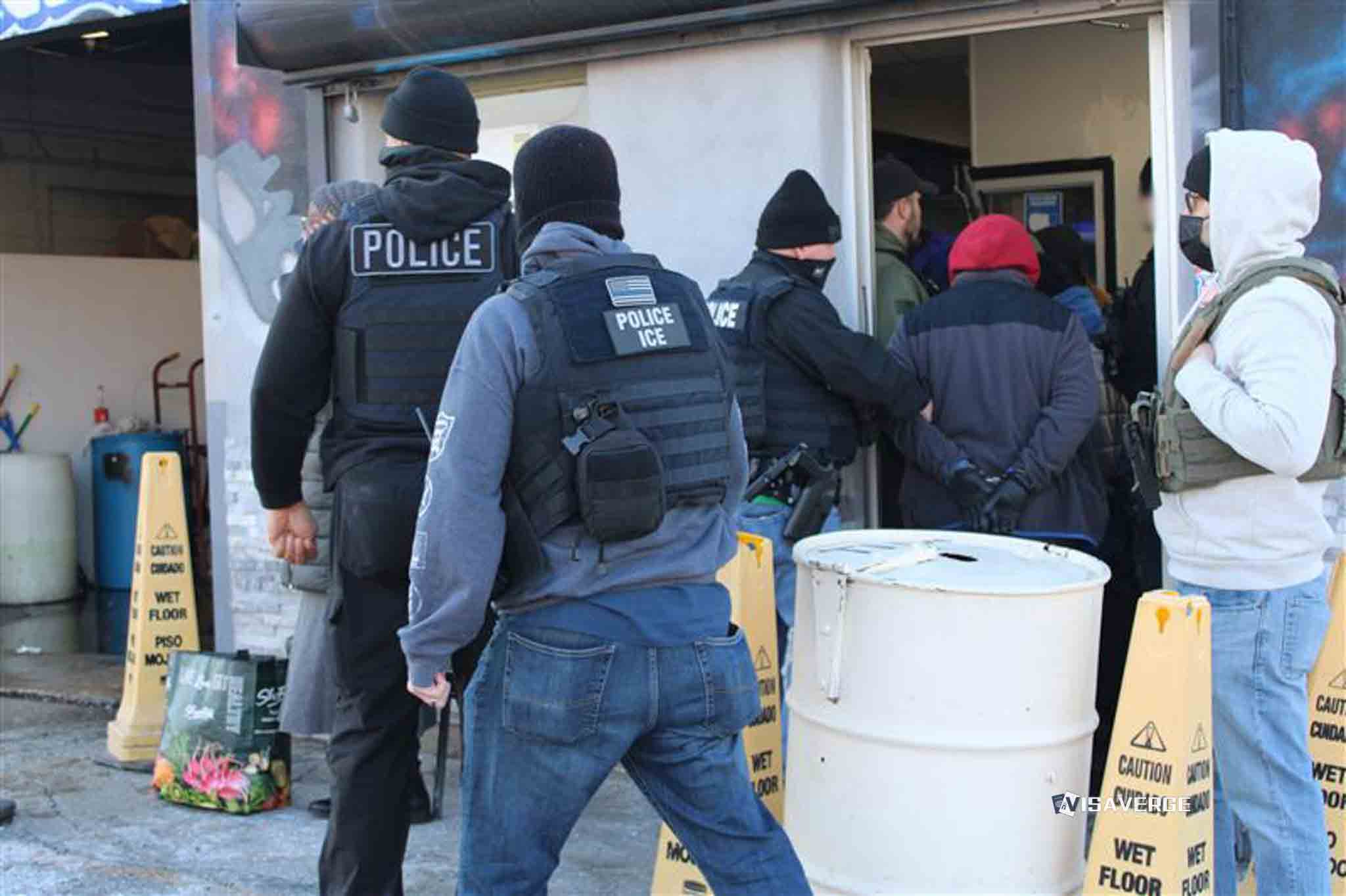
The Milwaukee Common Council passed ordinance 105-140 in April 2026. The measure prohibits officers, including federal agents, from concealing their faces while interacting with the public and requires visible agency and badge identification.
The department says the city cannot regulate federal operations. It invokes the Constitution’s Supremacy Clause and calls the ordinance an “unconstitutional attempt to regulate federal law enforcement officers.”
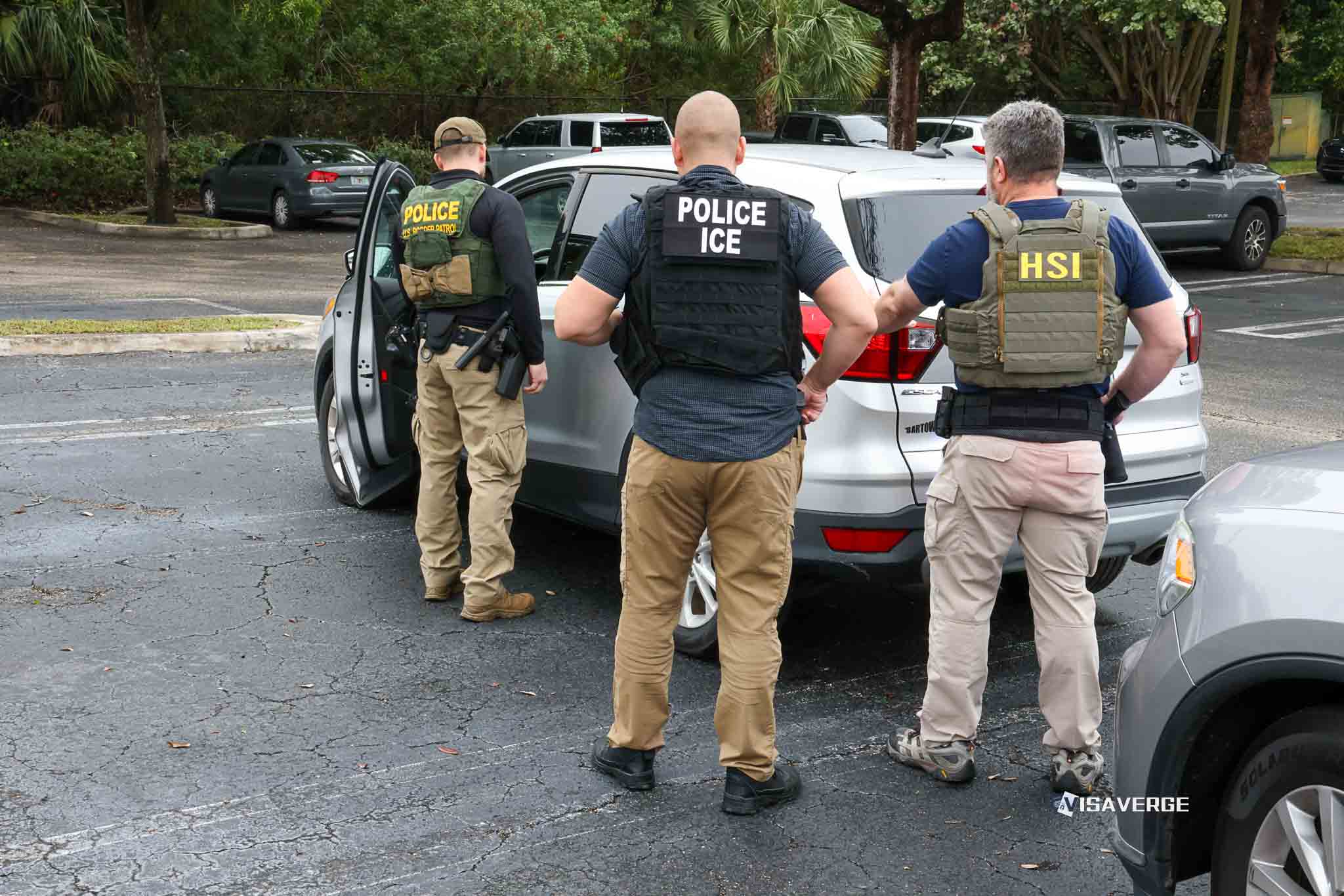
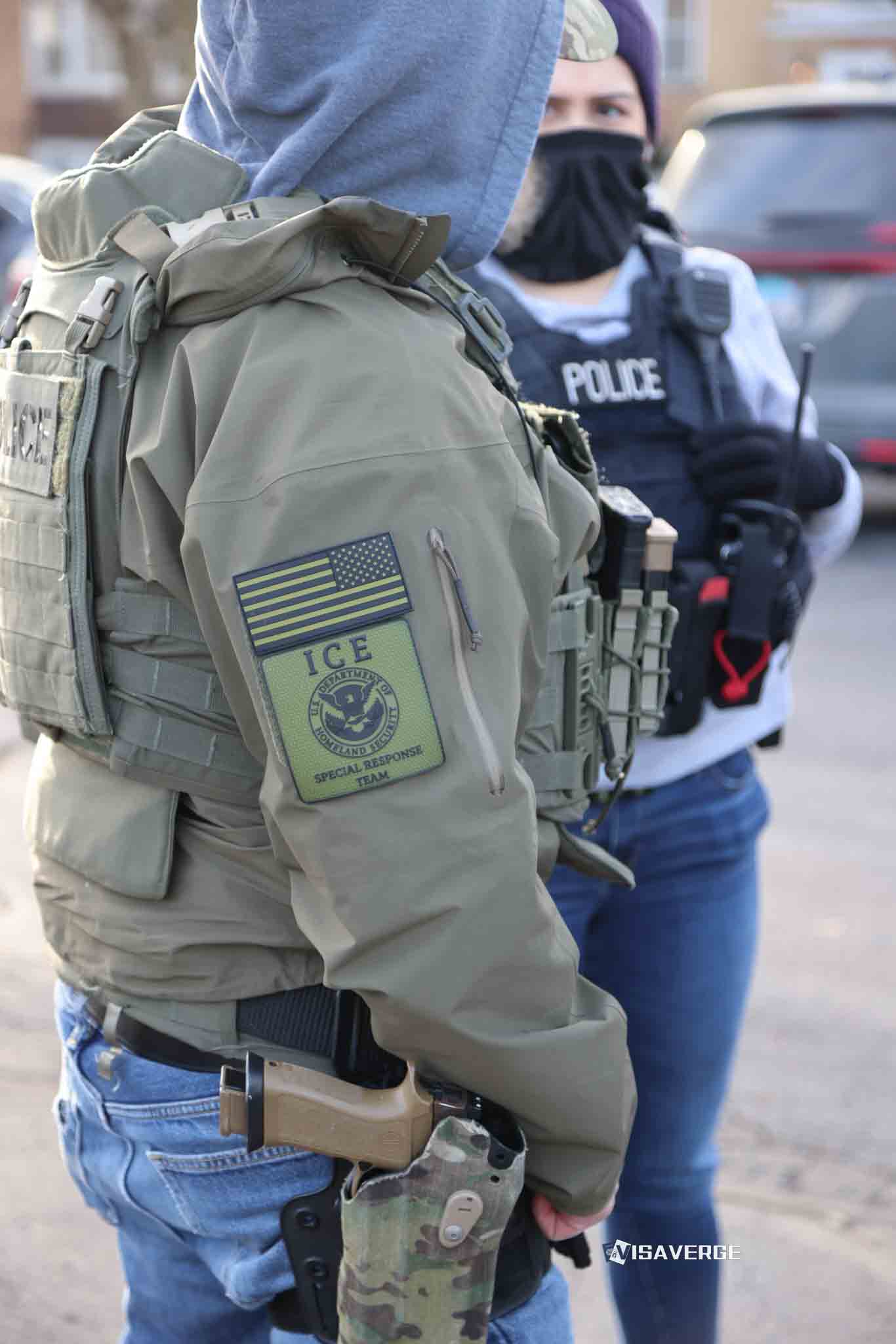
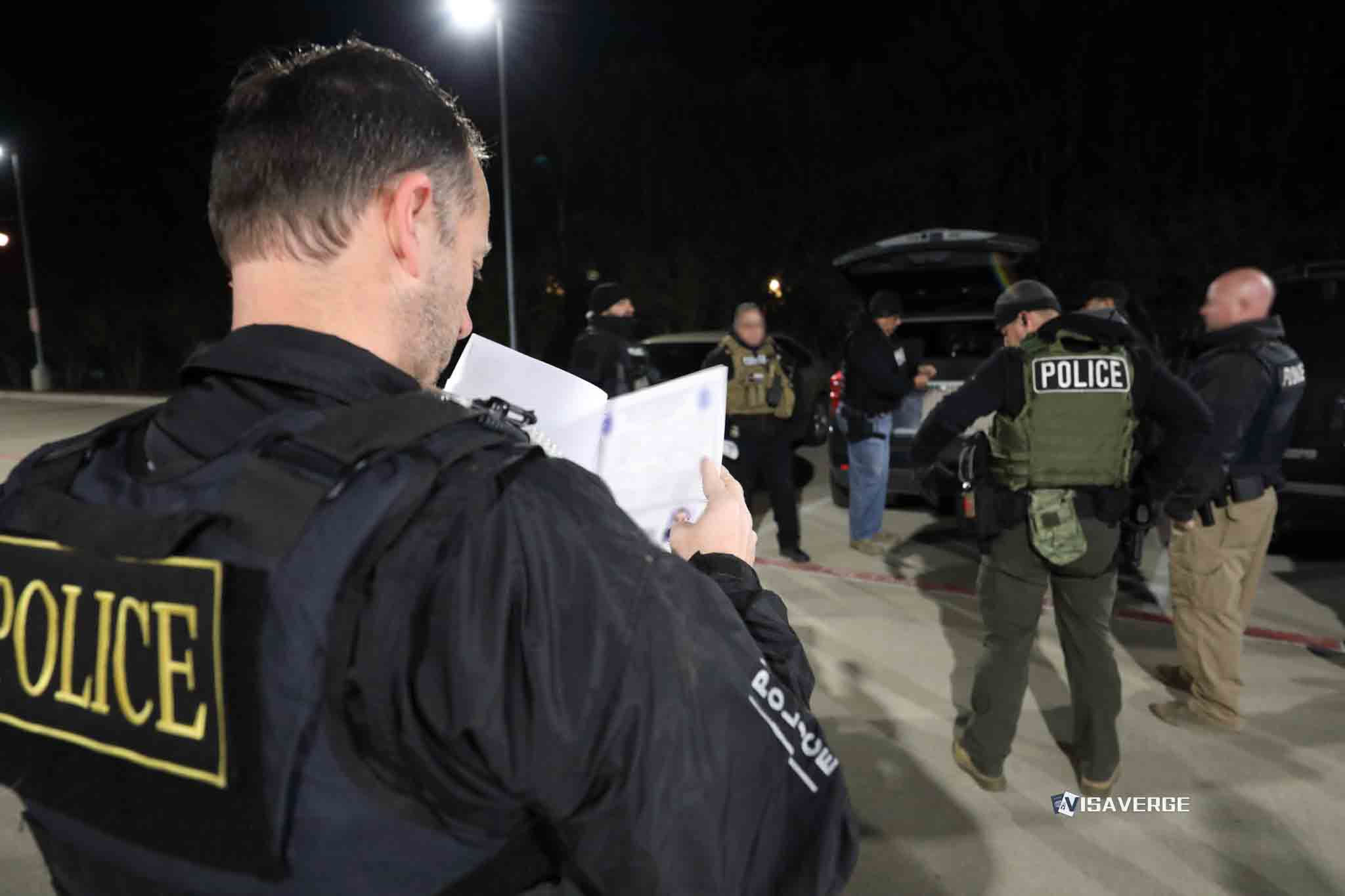
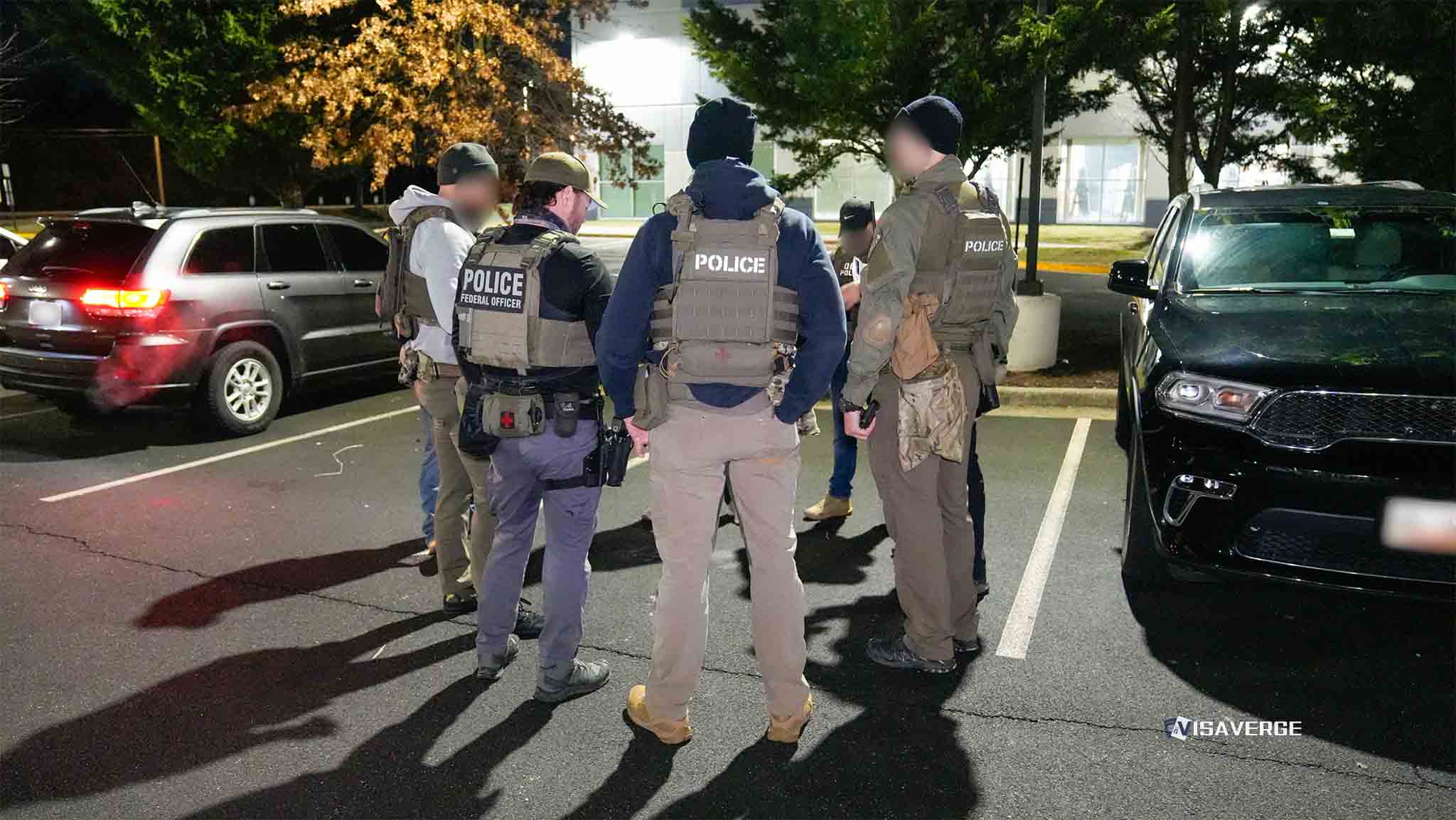
The case follows weeks of escalating conflict over masked Immigration and Customs Enforcement agents. City officials say the rules protect accountability. Federal officials say they protect officers.
Milwaukee’s ordinance carries fines of up to $10,000
Milwaukee Code of Ordinances § 105-140, titled the “Law Enforcement Identification” ordinance, imposes civil penalties ranging from $5,000 to $10,000 for each violation.
The rules prohibit officers from wearing masks or balaclavas while performing duties that involve interaction with the public. They also require officers to display the agency name and badge or identification number. Law enforcement vehicles must clearly show the agency’s name.
The ordinance contains exceptions. Medical needs, occupational safety, extreme weather and authorized undercover assignments fall within those exceptions.
The city adopted the measure as part of an “ICE Out” initiative in April. The effort followed increased federal immigration enforcement activity in Milwaukee, including arrests involving agents who wore masks or lacked visible badges.
ICE reported arresting 39 people in the Wisconsin area during a weekend sweep in early July 2026. The arrests accelerated the dispute over whether the ordinance should apply to federal officers.
Federal officials say Milwaukee cannot dictate agents’ equipment
The Justice Department’s complaint says the city has no authority to control federal officers’ masks, identifiers or operational equipment. The department also says the ordinance threatens federal operations and officer safety.
In a July 23 statement, Associate Attorney General Stanley E. Woodward, Jr. said local officials could not control how federal officers perform their duties.
“State and local leaders cannot tell Federal officers how to do their job. And they certainly cannot prohibit them from ensuring their own safety in safeguarding our communities and enforcing federal law. We will never tolerate the doxxing or harassment of federal officers.”
Assistant Attorney General Brett A. Shumate said Milwaukee’s restrictions could affect both officers and public safety. He also identified the federal government as the authority that decides which equipment agents may use while working.
“Milwaukee’s direct regulation of federal law enforcement operations threatens severe consequences for officers and public safety alike. The Federal Government, not the city, gets to decide which equipment federal agents may or may not wear.”
First Assistant U.S. Attorney Brad Schimel described the ordinance as a constitutional problem and a safety threat to federal officers.
“Not only is this ordinance an affront to the Constitution, but it jeopardizes the safety of our courageous sworn law enforcement officers.”
The department’s release also cited what it called “an unprecedent wave of harassment, doxing, and even violence” against federal officers. The complaint presents the city’s requirements as an unlawful intrusion into federal enforcement decisions.
Milwaukee says masked officers weaken accountability
Goyke has defended the ordinance as a public safety measure rather than an attempt to obstruct federal enforcement. In a written response, he said masked officers create risks during encounters with residents.
“Masked and unidentified law enforcement, at whatever level, increases the risk of dangerous interactions with the public, undermines accountability and police community relations, and stokes confusion, fear and intimidation.”
The city attorney also argued that residents need to distinguish genuine law enforcement officers from impersonators. City officials say visible agency names and identification numbers allow the public to determine who is exercising police authority.
Johnson made the same argument publicly on July 1, 2026. He questioned why police in the United States would need to conceal their identities.
“There's no need to do that, have masked police in the United States of America. We don't have a Gestapo police in the United States. We shouldn't have a secret police.”
Goyke separately rejected the federal government’s request to exempt federal agents from the ordinance. On July 17, he said his office considered the measure lawful and would pursue citations issued for violations.
In a letter to federal officials, he wrote that the city would “prosecute any validly issued citation for acts in violation of the ordinance.” He has also said he will not advise city clients to offer exemptions while the case remains pending.
The lawsuit follows a rejected exemption request
The federal challenge came after the city refused to create a federal carve-out. Goyke said the department had asked Milwaukee to exempt federal officers, but he rejected that request.
The city attorney has argued that the federal government did not identify a federal statute or regulation authorizing masked and unidentified officers. He also disputed the idea that constitutional supremacy shields all conduct by federal law enforcement.
“Unable to cite any federal statute or regulation authorizing masked and unidentified officers, the federal government claims that any state or local measures that impact this unrestrained personal discretion violate the supremacy clause … however, the supremacy clause was not intended to be a shield for ‘anything goes’ conduct by federal law enforcement officers.”
The competing positions frame the dispute around two different risks. Federal officials focus on harassment, doxing and violence against agents whose identities may become public. Milwaukee officials focus on encounters in which residents cannot immediately identify officers or verify their authority.
Neither side has accepted the other’s proposed solution. The city rejected an exemption, while the federal government asked a federal judge to prevent enforcement against its officers.
The court will decide whether the ordinance can reach federal officers
The Justice Department has pointed to successful challenges involving similar restrictions in California, Virginia and Philadelphia. Those cases form part of the federal government’s argument that local governments cannot impose direct controls on federal law enforcement operations.
Milwaukee’s ordinance reaches beyond masks. It also governs identification displayed by officers and markings on law enforcement vehicles. The lawsuit therefore challenges the city’s broader effort to set visibility requirements for federal agents operating within Milwaukee.
The named defendants include the mayor, city attorney and police chief, in addition to the city itself. Their inclusion places the enforcement structure directly before the federal court.
The case is pending in the Eastern District of Wisconsin. The city has said it will enforce the ordinance, and Goyke has maintained that the government’s request for an exemption should be rejected while the litigation proceeds.
The court’s ruling may determine whether Milwaukee can enforce penalties of $5,000 to $10,000 against federal officers, or whether federal authority prevents the city from applying those requirements to agents performing official duties.
This article provides general information and is not legal advice. Consult a qualified immigration attorney about your specific case.