- Passports must be issued within ten years to enter Schengen zone countries regardless of the expiration date.
- The UK requires an Electronic Travel Authorisation (ETA) for most visitors starting in early 2026.
- Airlines may deny boarding to travelers whose documents fail specific destination validity or authorization rules.
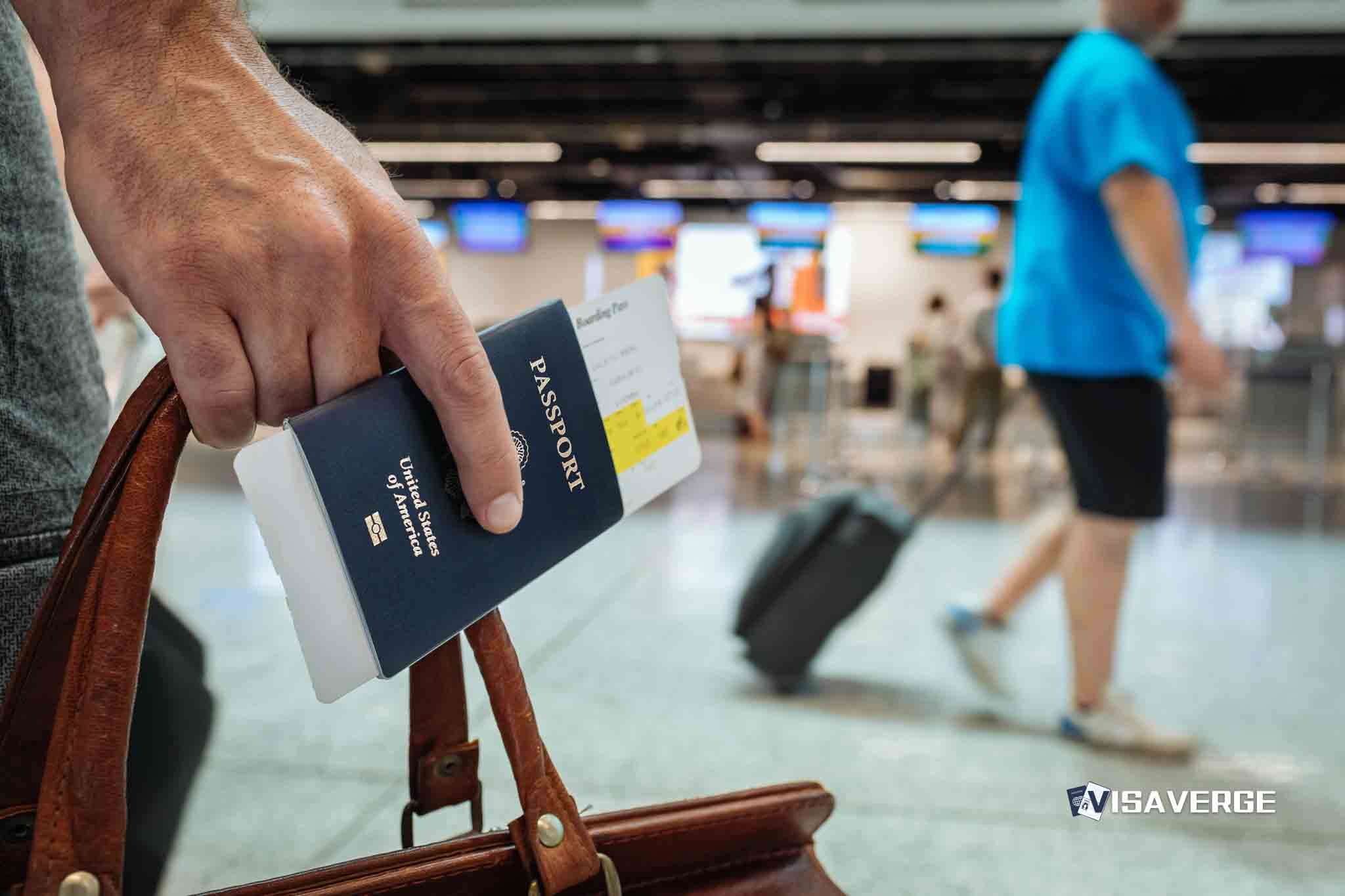
(UNITED KINGDOM) — Travelers heading to the UK and Europe now face passport checks that go beyond the document’s printed expiry date, with airlines and border systems testing when a passport was issued, how long it remains valid after a trip, and whether it matches any required digital travel permission.
That layered scrutiny means a passport can remain unexpired and still fail at the airport on the day of travel. Students, workers, NRIs, green card holders and digital nomads moving through the UK and the Schengen area face the same problem if their documents do not meet destination rules in force when they fly.
Free toolB1/B2 Tourist Visa Stay Calculator online
British and other long-haul travelers can run into trouble before boarding, not only at the border. Airlines apply entry-document rules strictly because they can be penalized for transporting passengers whose paperwork does not satisfy the destination country.
Current UK and Schengen guidance shows how those rules diverge. A traveler entering the UK must have a passport valid for the whole stay, and may also need a visa or an Electronic Travel Authorisation, or ETA, depending on nationality.
Schengen countries apply a harder test. UK government travel advice for Greece, reflecting Schengen rules, says a passport must have a date of issue less than 10 years before arrival and an expiry date at least 3 months after the day a traveler plans to leave the Schengen area.
EU guidance applies the same rule to non-EU nationals entering the bloc. The passport must have been issued within the previous 10 years and remain valid for at least 3 months after intended departure.
That distinction matters because some older UK passports still look valid on paper while failing the Schengen test. HM Passport Office’s 2025 Basic Passport Checks document says adult UK passports were normally issued for 10 years up to a maximum of 10 years 9 months.
Those extra months can catch people out. A passport may still appear valid for travel, yet fail the Schengen entry check because the issue date is too old even though the printed expiry date has not passed.
Multi-country itineraries make the risk wider than a holiday problem. Someone flying to London and then onward to Greece, France, Spain, Italy or Germany may assume one passport check covers the whole trip, but the stricter destination rule controls.
The UK’s ETA regime adds another layer because the authorization is tied directly to one passport. As of February 25, 2026, most travelers heading to the UK for stays under six months need an approved ETA, including infants.
The UK Home Office says the ETA costs £16 and allows multiple journeys over two years or until the holder’s passport expires. That means a renewed or replaced passport can upend travel plans even if the traveler already secured permission under the old document.
“If you do not have evidence of an approved ETA before travelling, you may be denied boarding by your airline.”
The U.S. Embassy in London put the boarding risk plainly: “If you do not have evidence of an approved ETA before travelling, you may be denied boarding by your airline.” That warning matters at check-in, where carriers compare the ETA with the passport presented for travel.
A mismatched or missing ETA can stop a journey even when the passport itself remains valid for the UK. The reverse can also happen: a passport may satisfy UK entry rules while failing Schengen standards because of the 10-year issue-date rule or the 3-month validity rule after departure.
For travelers moving through Europe, the Schengen checks create a second line of scrutiny. Entry rules examine both when the passport was issued and how long it will remain valid after the traveler leaves the Schengen area.
Older renewals are part of the trap. Extra validity carried over from previous passport renewals may look helpful on the document, but those added months may not satisfy the rule that the passport must have been issued less than 10 years before entry.
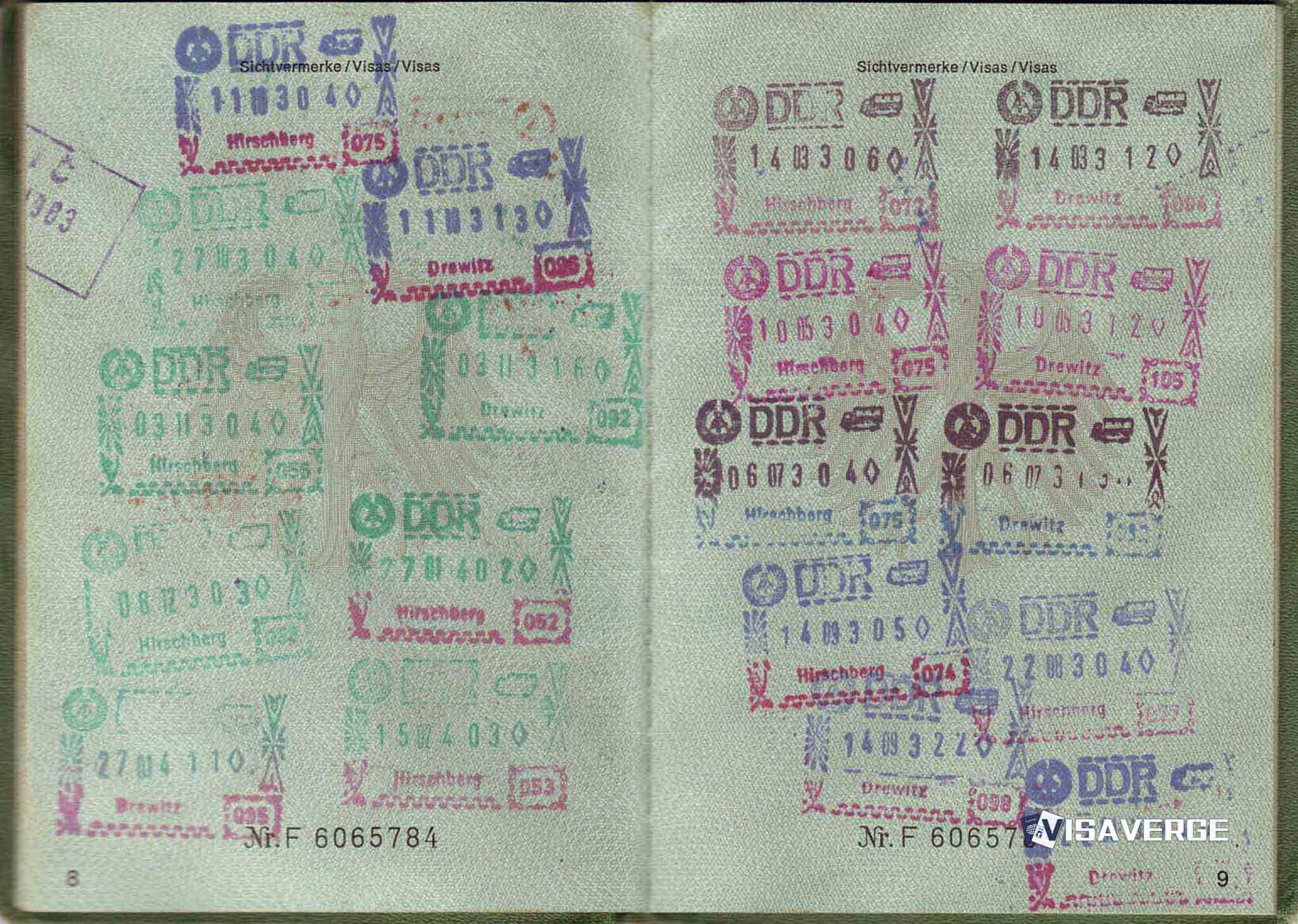
The coming Entry/Exit System, or EES, will add another procedural step. The EU is scheduled to implement the system fully by April 10, 2026, replacing manual passport stamps with facial and fingerprint scans.
That rollout could slow some journeys. First-time enrollees should expect “significant delays” at major hubs such as Paris Charles de Gaulle and Frankfurt, especially during implementation.
For frequent travelers, the digital shift means passport validity now sits beside separate authorization and movement-tracking systems. The era of relying on the booklet alone is ending, as border checks increasingly combine document dates, pre-travel approval and biometric registration.
Recent U.S. immigration updates add to that broader pattern of tighter document review and faster-moving deadlines. On January 1, 2026, USCIS issued a memorandum titled “Vetting and Review of Benefit Applications for Designated Nationals,” implementing a “Hold and Review” status for pending benefits such as travel documents or extensions for individuals from 39 designated countries.
That memo followed the December 16, 2025 Presidential Proclamation. Together, they show how closely travel-related paperwork can now be examined when immigration status, nationality and benefit requests intersect.
USCIS also tightened photo rules for official documents. In a December 12, 2025 newsroom announcement, the agency said: “Effective immediately, USCIS will no longer accept self-submitted photographs for official travel documents or employment cards. To enhance security and prevent fraud, only photos captured by USCIS at an authorized Application Support Center (ASC) or by verified government partners will be utilized.”
That change matters for travelers who depend on official U.S. documents before international trips. It removes a self-submission option and pushes applicants into authorized capture channels, adding one more procedural checkpoint.
Premium processing timelines also became more expensive for people trying to align immigration filings with flights, school terms or visa appointments. USCIS implemented a fee increase on March 1, 2026, and the fee for Form I-539 rose to $2,075.
For students, these overlapping checks can disrupt academic schedules with little margin for error. F-1 and J-1 travelers may face problems when passport validity concerns collide with missing or outdated I-20 or DS-2019 travel signatures.
A student returning for orientation, exams or an internship can lose more than a ticket if boarding is denied. Missed campus arrival, delayed housing move-in and rebooking costs can all follow from one document problem detected at the airport.
Workers face similar pressure when travel ties into visa appointments or job timelines. Someone flying for H-1B stamping, project travel or family obligations may meet all employment requirements yet still fail a carrier check because the passport does not meet the destination’s issue-date or residual-validity rules.
NRIs and U.S. green card holders face a dual calculation. They must satisfy the entry rules of the country they are visiting while also keeping their own return-travel documents and status records in order for the journey back.
For permanent residents, a valid passport does not settle everything. Re-entry permits or I-551 stamps still need to line up with the length and structure of the trip, especially where transit through the UK or Schengen countries is involved.
Digital nomads and frequent travelers confront the most crowded compliance picture. Passport validity, ETA or visa permissions, and Schengen stay tracking all operate as separate layers, and a problem in one does not disappear because the other two are in order.
The Schengen 90/180-day framework takes on added force under EES because movement will be tracked digitally rather than mainly through stamps. Travelers who move often between countries may find that timing errors become easier for border systems to detect.
That makes early planning more important when a passport is close to one of the rule thresholds. Renewing too late can leave too little validity for a planned trip, but renewing also can affect linked permissions such as a UK ETA because the authorization attaches to the passport used in the application.
Government guidance points travelers back to destination-specific entry checks rather than one universal passport rule. The safest reading of the current system is that travelers should verify three separate points before departure: the passport issue date, the remaining validity beyond departure, and any required visa or digital authorization.
Those checks matter across a broad mix of journeys, from family visits and graduation trips to work travel and student returns. A passport that clears one border may fail another, and one that remains valid on paper may still not be enough to board.
Travelers can review UK ETA requirements at the UK government’s ETA page, while official U.S. guidance for UK travel appears at the State Department’s United Kingdom page. Schengen rules are summarized at the State Department’s Schengen information page.
The message running through all of it is simple: travelers should not rely on the printed passport expiration date alone. For the UK and Schengen travel in 2026, document compliance has become multi-layered and timing-sensitive, and the passport is now only the starting point.