- Airlines now enforce six-month passport validity for travel to Canada, Australia, and the United Kingdom.
- Electronic Travel Authorizations are mandatory for all non-visa nationals before they reach the departure gate.
- Government coordination among Five Eyes partners shifts immigration screening to the airport check-in desk.
(CANADA, AUSTRALIA, AND THE U.K.) — Canada, Australia and the United Kingdom are denying boarding or entry to foreign travelers who arrive without enough passport validity or without a required Electronic Travel Authorization, as officials in all three countries tighten pre-departure checks.
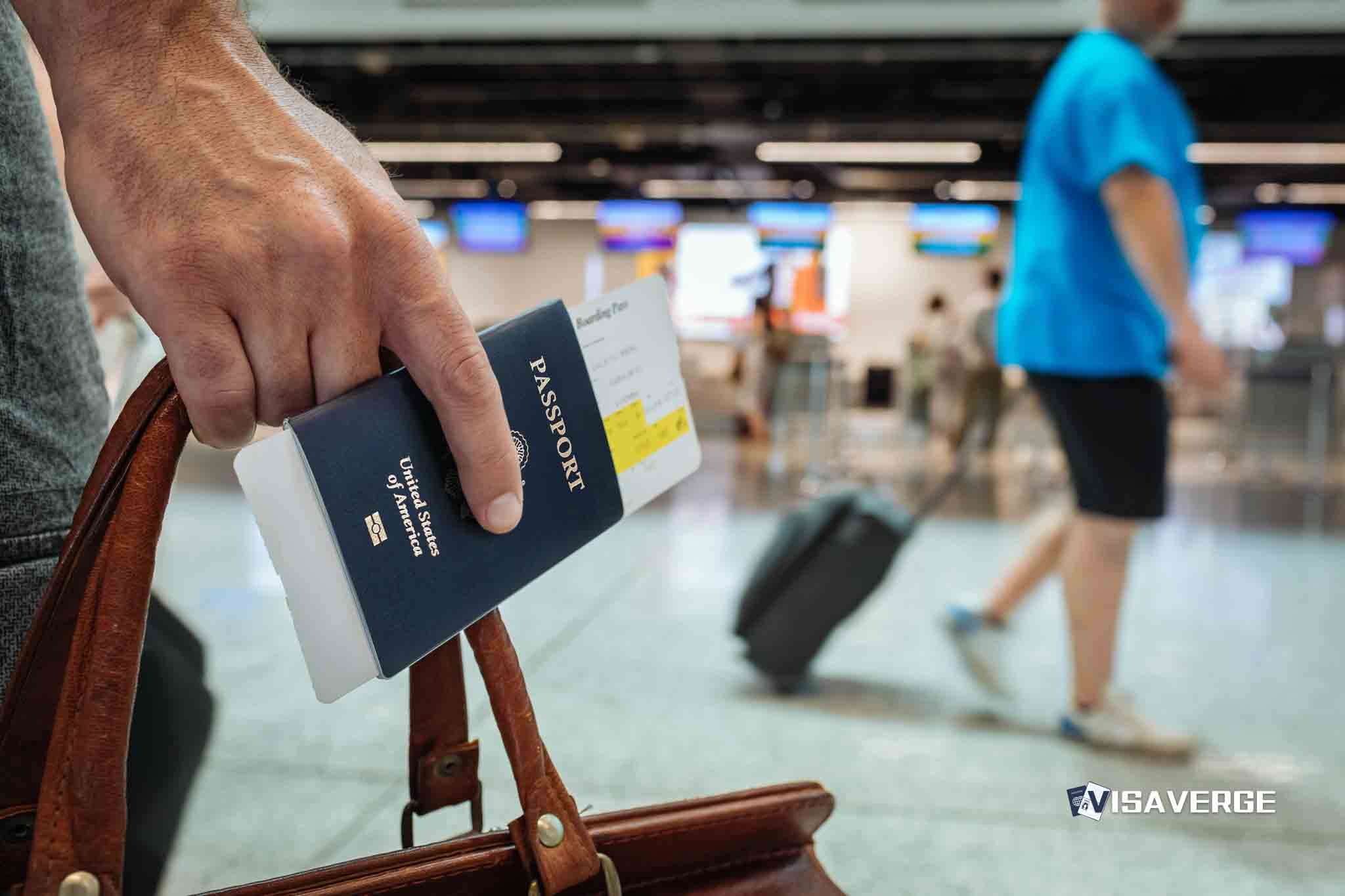
Airlines now enforce the rules before passengers reach the gate. A traveler with less than six months remaining on a passport, or without an approved ETA or eTA where one is required, can be stopped at check-in and left to absorb the cost of a disrupted trip.
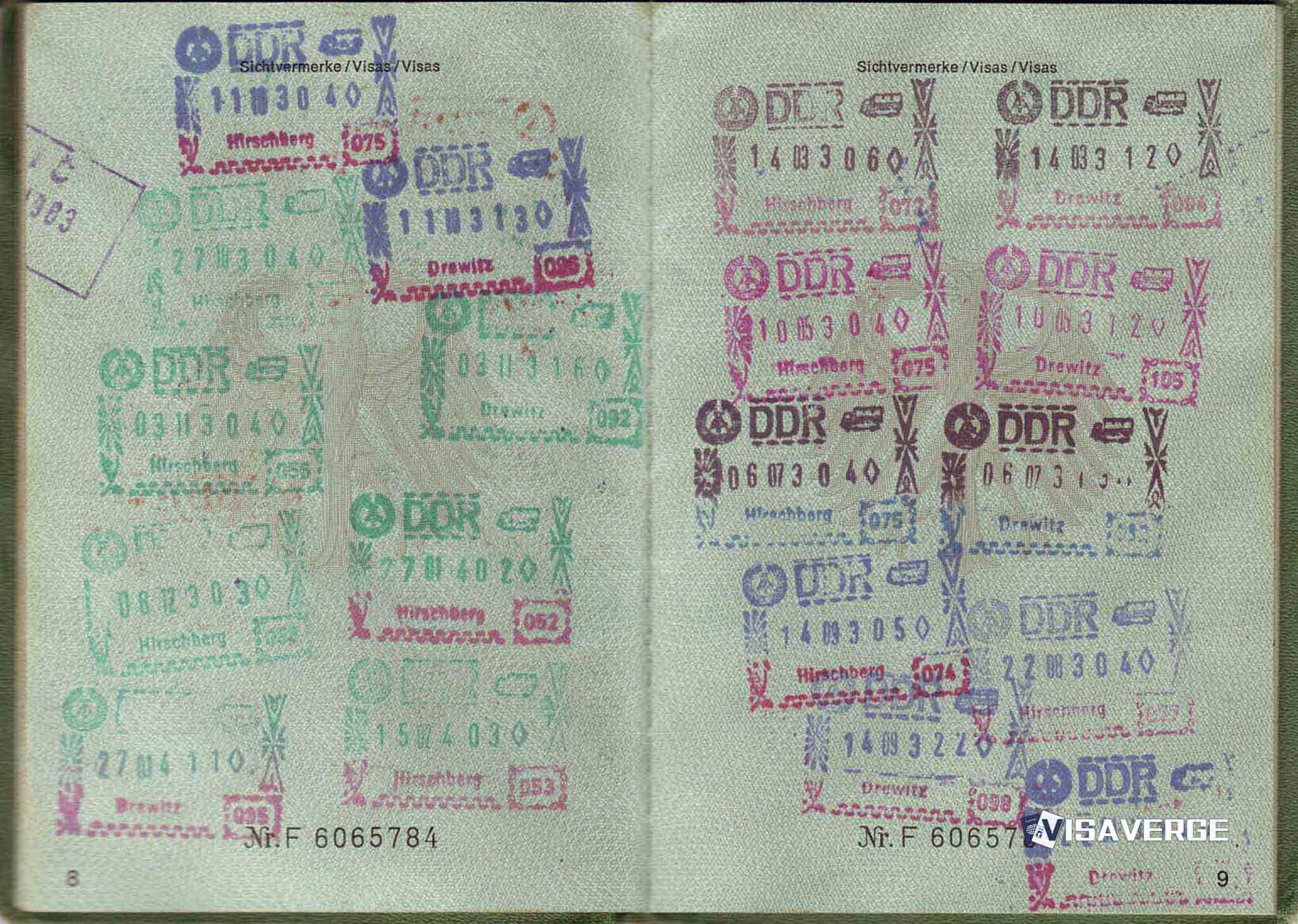
Officials have framed the shift as a security measure tied to digital border screening and closer coordination among partner governments. The result is a harder line on documentation that many travelers once treated as a technicality, especially on short trips to Canada, Australia or the U.K.
Free toolREAL ID Requirements Checker toolUK ETA Enforcement and Official Statements
The U.K. government made that position explicit when it fully enforced its ETA scheme on February 25, 2026. Mike Tapp, the U.K. Ministry for Migration and Citizenship, said: “ETAs give us greater power to stop those who pose a threat from setting foot in the country and gives us a fuller picture of immigration. Digitizing the immigration system ensures the millions of people we welcome to the U.K. every year enjoy a more seamless travel experience.”
U.S. agencies have echoed the tougher screening message. In a policy update published on May 22, 2026, U.S. Citizenship and Immigration Services said: “We’re returning to the original intent of the law to ensure aliens navigate our nation’s immigration system properly. This policy allows our immigration system to function as the law intended instead of incentivizing loopholes.”
The U.S. Department of State also highlighted document readiness in a Canada advisory dated June 5, 2026. The advisory said: “Keep travel documents up to date and easily accessible. Passport must be valid at time of entry. Exercise normal precautions for Americans traveling to Canada for FIFA World Cup 2026 matches.”
Two Core Requirements: Passport Validity and Electronic Travel Authorization
The stricter checks center on two requirements. One is the enforcement of passport validity periods, with most international carriers requiring at least six months of remaining validity from the date of intended departure. The other is mandatory advance travel clearance through an Electronic Travel Authorization system.
Canada, the U.K. and Australia have updated boarding protocols so airlines deny boarding to passengers whose passports expire in less than six months, even if those passengers hold return tickets. That shifts the first line of immigration enforcement from the border counter to the airline desk.
Carriers have legal reasons to block boarding. If an airline transports a passenger who does not meet passport validity rules or lacks required travel permission, the passenger can be refused onward travel or entry on arrival, creating costs and operational disruption that governments now want prevented before departure.
The U.K. ETA has been mandatory since February 25, 2026 for all non-visa nationals, including U.S. and Canadian citizens. It costs £20 and remains valid for two years, according to the U.K. Home Office ETA guide.
Canada continues to require an Electronic Travel Authorization for visa-exempt foreign nationals arriving by air. The authorization costs CAN$7, according to the Government of Canada entry requirements page.
Australia requires travelers to obtain an ETA, Subclass 601, through the official mobile app before departure. The fee is AUD$20, according to the Australian Department of Home Affairs ETA page.
Those systems now operate with what officials describe as zero-tolerance enforcement at airports. Travelers without an approved ETA or eTA are being prevented from checking in, and last-minute approvals at the gate are no longer guaranteed because background checks now take a larger role in pre-departure screening.
Broader Five Eyes Coordination and Travel Advisories
The policy shift fits a broader move toward “contactless borders” and pre-departure vetting. Under that model, governments screen travelers through digital systems before wheels-up, rather than relying primarily on inspection after arrival.
Five Eyes partners, the United States, the U.K., Canada, Australia and New Zealand, are increasingly sharing biographic and biometric data to identify higher-risk travelers before they reach a port of entry. That coordination has pushed documentation checks deeper into the booking, check-in and boarding process.
In May 2026, the five nations also issued a simultaneous travel warning on global aviation instability and fuel supply disruptions. The warning added pressure for stricter documentation enforcement, with governments seeking to reduce airport congestion and prevent what officials described as untrackable travelers from moving through the system without complete records.
Financial Risks and Traps for Dual Nationals
The tougher rules carry immediate financial risk. Travel insurance rarely covers lack of proper documentation, leaving passengers denied boarding to pay for replacement tickets, overnight stays, and the cost of returning home if they are refused onward travel.
Dual nationals face another trap. U.K.-Australian and U.K.-Canadian dual citizens must use a British passport to enter the U.K., and using a second passport without an ETA can result in entry denial.
That point has become more pressing as travelers cross-check older assumptions against newer rules. A passport that remains technically unexpired may still fail airline screening if it falls short of the six-month threshold, and a traveler who boarded in earlier years without pre-clearance can now be blocked before reaching the aircraft.
Official Guidance and Conclusion
Canada, Australia, the U.K. Home Office and U.S. agencies have each published guidance that places document compliance at the center of international travel. The USCIS Newsroom has linked immigration enforcement to stricter vetting, while the U.S. Department of State travel advisories continue to stress document readiness for cross-border trips.
Travelers headed to Canada, Australia or the U.K. now face a system in which passport validity periods and advance digital authorization are checked long before an immigration officer sees them. At the counter, a missing approval or a passport with less than six months left can end the trip on the spot.