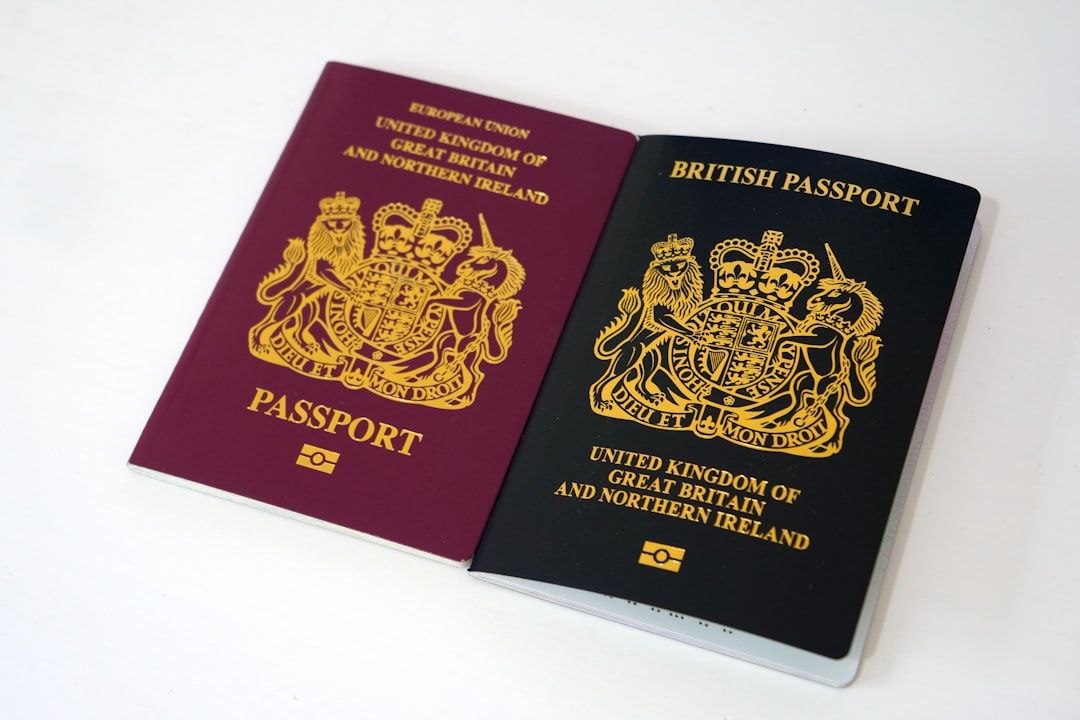
(UNITED KINGDOM) — The UK Home Office published a sweeping overhaul of the immigration system in a Statement of Changes to the Immigration Rules (HC 1333) on October 14, 2025, setting out new requirements and timelines that will roll through 2026.
Overview: earned settlement and broader aims
The package is pitched as a shift to an earned settlement model intended to reduce net migration while raising standards for those seeking to live and work in the UK. The Home Secretary, Shabana Mahmood, described the change as moving settlement from a near-automatic result to a privilege that must be earned.

“To settle in this country forever is not a right, but a privilege… and it must be earned. Today that is not the case; settlement or indefinite leave to remain comes almost automatically after five years. That will now change.” — Shabana Mahmood
Free toolUSCIS Receipt Number Decoder
The reforms cover multiple areas:
– Higher English language standards for several work routes.
– A new digital pre-travel permission (ETA) for U.S. citizens and other non-visa nationalities.
– A longer standard route to Indefinite Leave to Remain (ILR) for most migrants.
– A capped High Potential Individual (HPI) route.
– A higher Immigration Skills Charge for sponsoring employers.
– Expanded pre-departure screening aimed at widening the government’s view of who is arriving.
Travel changes: Electronic Travel Authorisation (ETA)
The plan introduces an Electronic Travel Authorisation (ETA) requirement to expand pre-departure screening and digitise travel checks.
- ETA roll-out date: From February 25, 2026, U.S. citizens and 84 other non-visa nationalities must obtain a digital ETA before travelling to the UK for tourism or business.
- Cost: £16 per ETA.
- Application channel: Applicants must apply via the “UK ETA” app at least 3 days before travel.
- Enforcement: Carriers are expected to deny boarding to travellers without an ETA.
The U.S. Department of State updated its “United Kingdom Country Information” page on November 24, 2025, noting: “All U.S. citizens traveling to the United Kingdom for tourism, family visits, business meetings. must have an Electronic Travel Authorization (ETA) before travel.”
The U.S. Embassy and Consulates in the UK issued a consular alert emphasizing that the ETA is mandatory for all ages and failure to obtain one will result in being denied boarding by carriers.
From Feb 25, 2026, US citizens and 84 non‑visa nationals must have a digital ETA. Without it, carriers will block boarding; ensure you apply via the UK ETA app at least 3 days before travel.
“ETAs give us greater power to stop those who pose a threat from setting foot in the country and gives us a fuller picture of immigration. Digitising the immigration system ensures the millions of people we welcome to the UK every year enjoy a more seamless travel experience.” — Mike Tapp, Minister for Migration and Citizenship
English language requirement: B2 threshold for work routes
One of the earliest operational changes raises the English language requirement for several work routes.
- Effective date: January 8, 2026
- Affected routes: Skilled Worker, Scale-up, and High Potential Individual (HPI) visas.
- New requirement: B2 level (described as A-level equivalent), up from the previous B1 level.
- Scope: Applies to new applicants entering the UK from the effective date.
- Exemptions/notes: Existing visa holders generally remain exempt when extending their status; the higher requirement applies to new entries from January 8, 2026.
This change will affect employer recruitment timelines because applicants must meet the B2 standard from the specified date.
ILR for most migrants will take 10 years from April 2026, with only limited fast‑track exceptions for high earners or certain public sector roles; plan long‑term residency with this timeframe in mind.
Settlement timetable: move from 5 to 10 years
The most consequential change for long-term migrants is the reworked settlement timetable.
- Effective date: From April 2026
- Change: Standard qualifying period for Indefinite Leave to Remain (ILR) increases from 5 years to 10 years for most migrants.
- Impacts:
- Delays the point at which many migrants can reach settlement.
- Pushes back access to public funds and the ability to apply for British citizenship.
- Alters expectations for those already building qualifying time toward settlement.
Carve-outs and exceptions:
– High earners with incomes over £125,000 may still qualify for a 5-year fast-track route.
– Certain public sector workers, notably in healthcare and teaching, may also retain access to the 5-year route.
The government frames this as ensuring settlement is tied to contribution rather than being an automatic outcome of time spent in the UK.
High Potential Individual (HPI) route changes
The HPI route has already been adjusted ahead of other 2026 reforms.
- Announcement date: November 4, 2025
- Key changes:
- The government will double the eligible university list, expanding who can qualify.
- An annual cap of 8,000 applications will be introduced.
Employer costs: Immigration Skills Charge increase
Employers who sponsor overseas workers will face higher costs.
- Increase: 32% rise to the Immigration Skills Charge.
- New level for large sponsors: £1,320 per year
- Timing: Implementation described as late 2025/2026
This increase adds to recruitment costs as language and settlement requirements tighten, and as lead times extend due to higher English requirements.
Timeline summary
A concise timeline of major changes:
| Date | Change |
|---|---|
| October 14, 2025 | Home Office publishes HC 1333 (Statement of Changes to the Immigration Rules) |
| November 4, 2025 | HPI route changes announced; list doubled and 8,000 annual cap set |
| November 24, 2025 | U.S. Department of State updates travel guidance referencing ETA |
| January 8, 2026 | B2 English requirement begins for Skilled Worker, Scale-up, and HPI (new applicants) |
| February 25, 2026 | ETA mandatory for U.S. citizens and 84 other non-visa nationalities; fee £16 |
| April 2026 | Standard qualifying period for ILR moves from 5 to 10 years for most migrants |
| Late 2025/2026 | Immigration Skills Charge increase to £1,320 for large sponsors implemented |
Practical implications and takeaways
- Travellers: From Feb 25, 2026, U.S. citizens and many non-visa nationals must carry a digital ETA (cost £16) and apply at least 3 days before travel; carriers will enforce the requirement at departure.
- Skilled workers and employers: From Jan 8, 2026, new applicants must meet B2 English; employers face higher Immigration Skills Charge costs and potentially longer hiring timelines.
- Long-term migrants: From April 2026, most migrants will need 10 years to qualify for ILR, with limited fast-track exceptions for high earners and select public sector roles.
- HPI applicants: Route remains open but capped at 8,000 applications annually, with eligibility extended through more universities.
Double‑check your travel plans: apply for the ETA (£16) via the official app well before your trip and track any updated requirements for your nationality.
Official materials and framing
The government published an ETA factsheet dated November 2025 and released the immigration rules changes as HC 1333, describing the reforms as a broad overhaul of the system and framing the approach as earned settlement.
Taken together, the measures change how the UK screens tourists and business visitors before travel, raise the bar for certain work routes, lengthen the standard path to settlement, and increase employer costs for sponsorship — with officials presenting the approach as a move away from automatic settlement after five years.
The UK government is implementing a rigorous ‘earned settlement’ policy through 2026. Major reforms include extending the permanent residency path to ten years, introducing a mandatory digital ETA for non-visa nationals like Americans, and raising the English language threshold to B2 for skilled workers. Additionally, employer sponsorship costs will rise by 32%, and the High Potential Individual visa route will face a new annual cap.