- The British Home Office restored the ETA system on June 5, 2026, after days of technical outages.
- Travelers from 84 countries faced boarding denials for flights and ferries due to the processing failure.
- The disruption highlights risks in the No Permission, No Travel framework during peak summer travel.
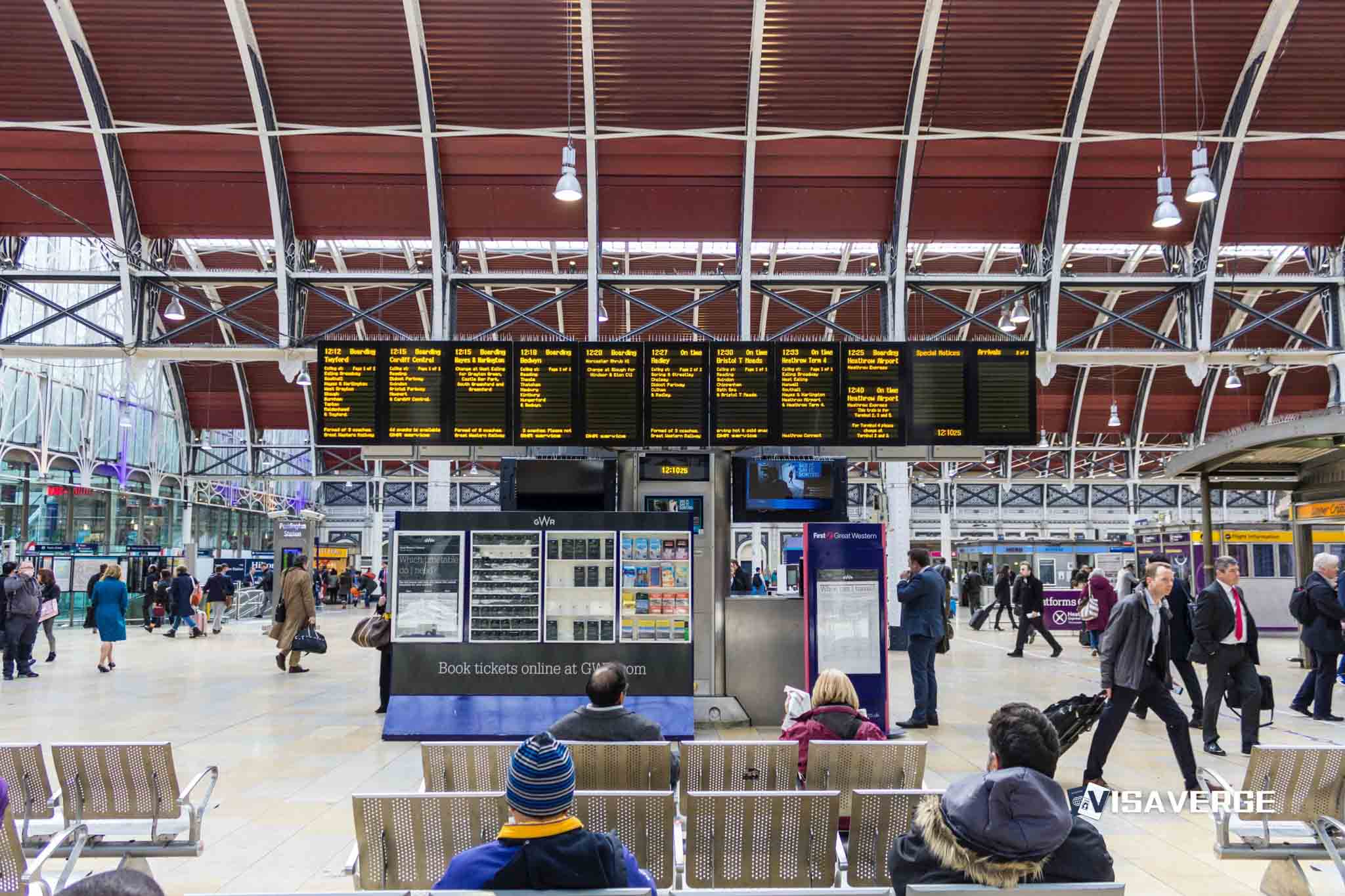
(UNITED KINGDOM) — The British Home Office restored the UK’s Electronic Travel Authorisation system to full service on June 5, 2026, after several days of intermittent disruption left visa-exempt travelers unable to secure approval needed to board flights, ferries and Eurostar services to Britain.
The outage hit a system that now applies to citizens of 84 countries, including the United States, Canada, Australia and European Union member states. Under Britain’s current rules, carriers must refuse boarding to passengers who do not hold a confirmed digital ETA before departure.

During the disruption, the Home Office said it was “aware that some customers are experiencing delays” and that “technical teams are working to resolve the issue.” When service resumed, a Home Office spokesperson said the platform had “suffered technical issues” but continued to meet its “published standard for processing applications within three working days.”
Britain began strict enforcement of the ETA requirement on February 25, 2026. Since that date, U.S. citizens transiting the UK or travelling to the UK have needed approval before departure, part of a wider “No Permission, No Travel” framework that makes travel authorization a boarding requirement rather than a check completed after arrival.
The U.S. Embassy in London kept its existing advice in place while the technical outage unfolded. Its guidance, confirmed Feb 25, 2026, says: “Effective February 25, 2026, all U.S. citizens transiting the UK or travelling to the UK. will require an Electronic Travel Authorisation (ETA) prior to travel. If you do not have evidence of an approved ETA before travelling, you may be denied boarding by your airline.”
| India | China | ROW | |
|---|---|---|---|
| EB-1 | Feb 01, 2023 | Aug 01, 2023 ▲31d | Current |
| EB-2 | Nov 01, 2013 | Oct 01, 2021 | Apr 01, 2025 ▲90d |
| EB-3 | Jan 22, 2014 ▲21d | Jan 22, 2022 ▲14d | Jun 15, 2024 ▲31d |
| F-1 | Jan 22, 2021 ▲366d | Jan 22, 2021 ▲366d | Jan 22, 2021 ▲366d |
| F-2A | Oct 22, 2026 ▲30d | Oct 22, 2026 ▲30d | Oct 22, 2026 ▲30d |
Embassy officials also directed travelers to the UK Visas and Immigration website and stressed that the UK government was still enforcing a strict “No ETA, No Travel” rule. That left many travelers in a familiar bind during the outage: they were still subject to the boarding requirement even when approvals slowed or the app failed.
Travelers affected by the disruption reported applications stuck in processing and repeated “system busy” messages in the mobile app. The ETA system normally processes many applications within minutes, but the outage created backlogs that pushed some waits beyond 60 to 72 hours.
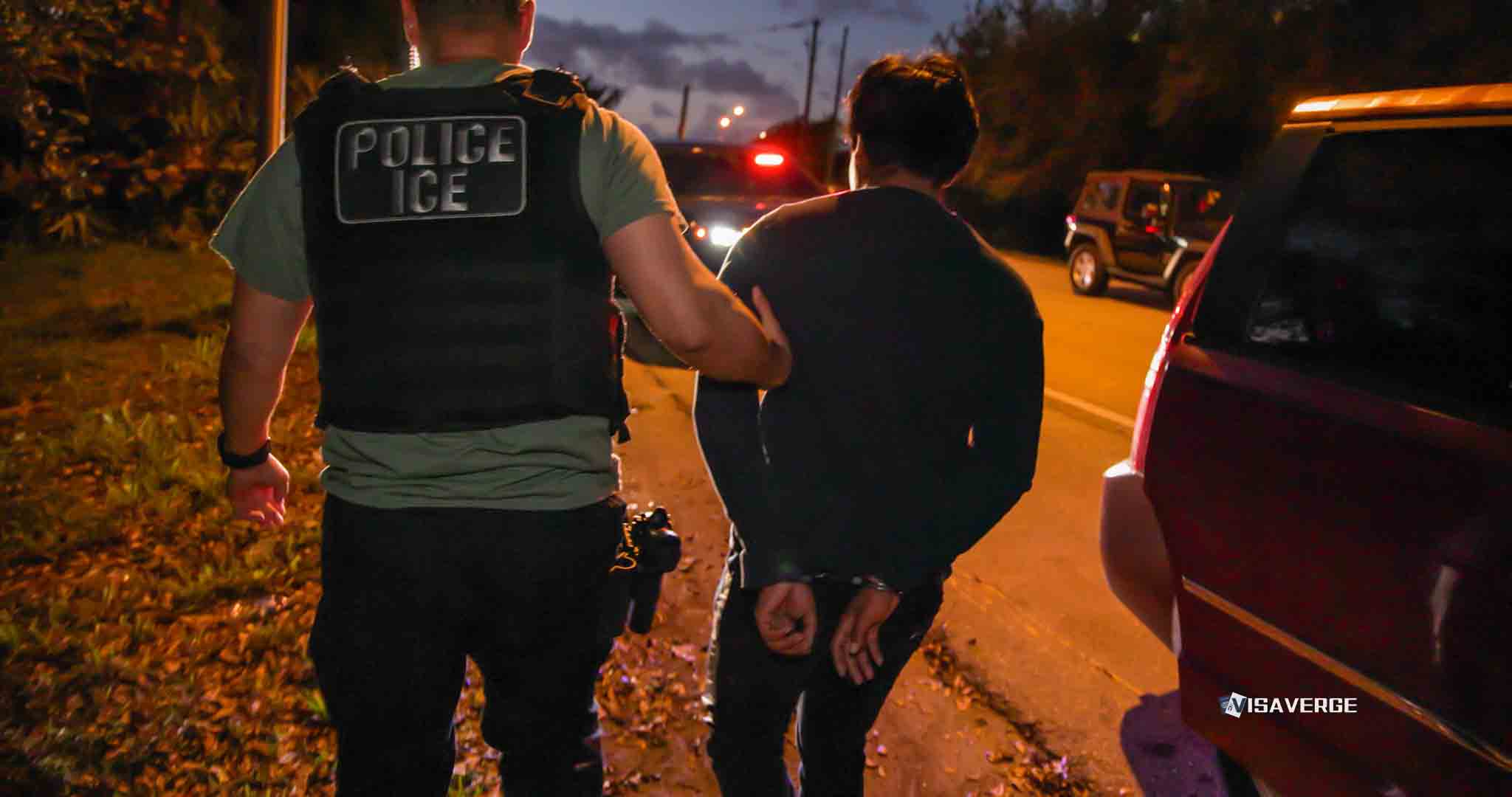
Those delays carried immediate costs. Thousands of travelers were denied boarding, and some reported non-refundable losses tied to missed flights, hotel bookings and replacement tickets purchased after the system came back online.
The British Home Office did not give a total number of affected travelers. It acknowledged delays, but its public comments focused on restoration of service and the department’s published processing target of three working days.
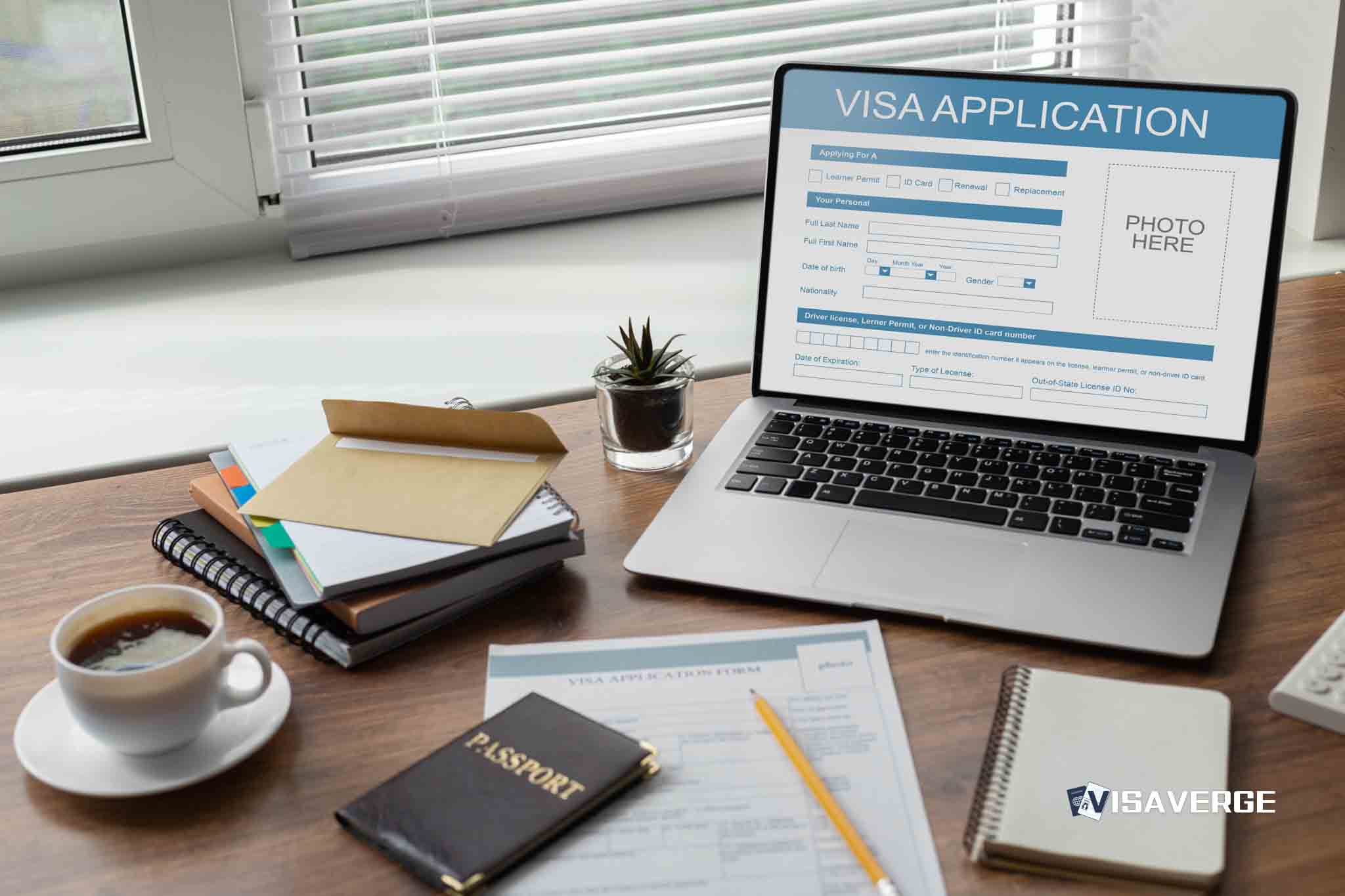
Britain charges £20 for an ETA, about $25 USD, and the approval remains valid for two years or until the passport expires. The government directs most applicants to use the official [UK ETA](https://www.gov.uk/guidance/electronic-travel-authorisation-eta) mobile app, which uses biometric facial recognition to speed processing.
That design has made the system fast in normal periods, but it also concentrates the traveler’s ability to complete a trip in a single digital approval. When the service slowed in early June, the issue was not a later inspection at the border. It was whether passengers could reach the gate at all.
Airlines, ferry operators and Eurostar services are bound by the British system’s carrier rules. If a traveler lacks approved status in the digital record, the traveler can be refused boarding even with a valid passport and ticket.
The interruption came at the start of the summer travel season, a period when demand typically rises across transatlantic and European routes. It also coincided with the run-up to the 2026 World Cup, which the United States, Canada and Mexico are co-hosting, adding to already heavy international travel flows.
Officials in Washington did not issue a separate U.S. government alert dedicated to the outage itself, but American travelers continued to be directed to standing travel guidance for Britain. The State Department’s [United Kingdom travel page](https://travel.state.gov/content/travel/en/international-travel/International-Travel-Country-Information-Pages/UnitedKingdom.html) and the [U.S. Embassy in London](https://uk.usembassy.gov/) both maintained the existing message that approved ETA status is required before travel.
The episode marked the first major disruption since full-scale rollout of the UK’s Electronic Travel Authorisation regime. That made the outage more than a short-term processing problem for travelers caught in the queue; it exposed how quickly a technical failure can halt movement when a country ties boarding permission to a live digital clearance system.
Britain is not alone in moving toward that model. The European Union plans to launch ETIAS in late 2026, and Japan plans JESTA for 2028, part of a broader shift toward advance electronic screening for visa-exempt visitors. The June outage in Britain offered an early test of what happens when that kind of system fails under pressure.
The Home Office said the platform had returned to full operational status on June 5, 2026. For travelers heading to Britain from countries covered by the rules, the immediate lesson from the disruption was already embedded in the government’s policy and in the embassy warning that stayed unchanged throughout: “If you do not have evidence of an approved ETA before travelling, you may be denied boarding by your airline.”