- Officials refuted false rumors regarding a French visa rejection for Sri Lanka’s president as diplomatically baseless.
- The visit’s delay stems from urgent domestic priorities, including investigations into recent Negombo Prison violence.
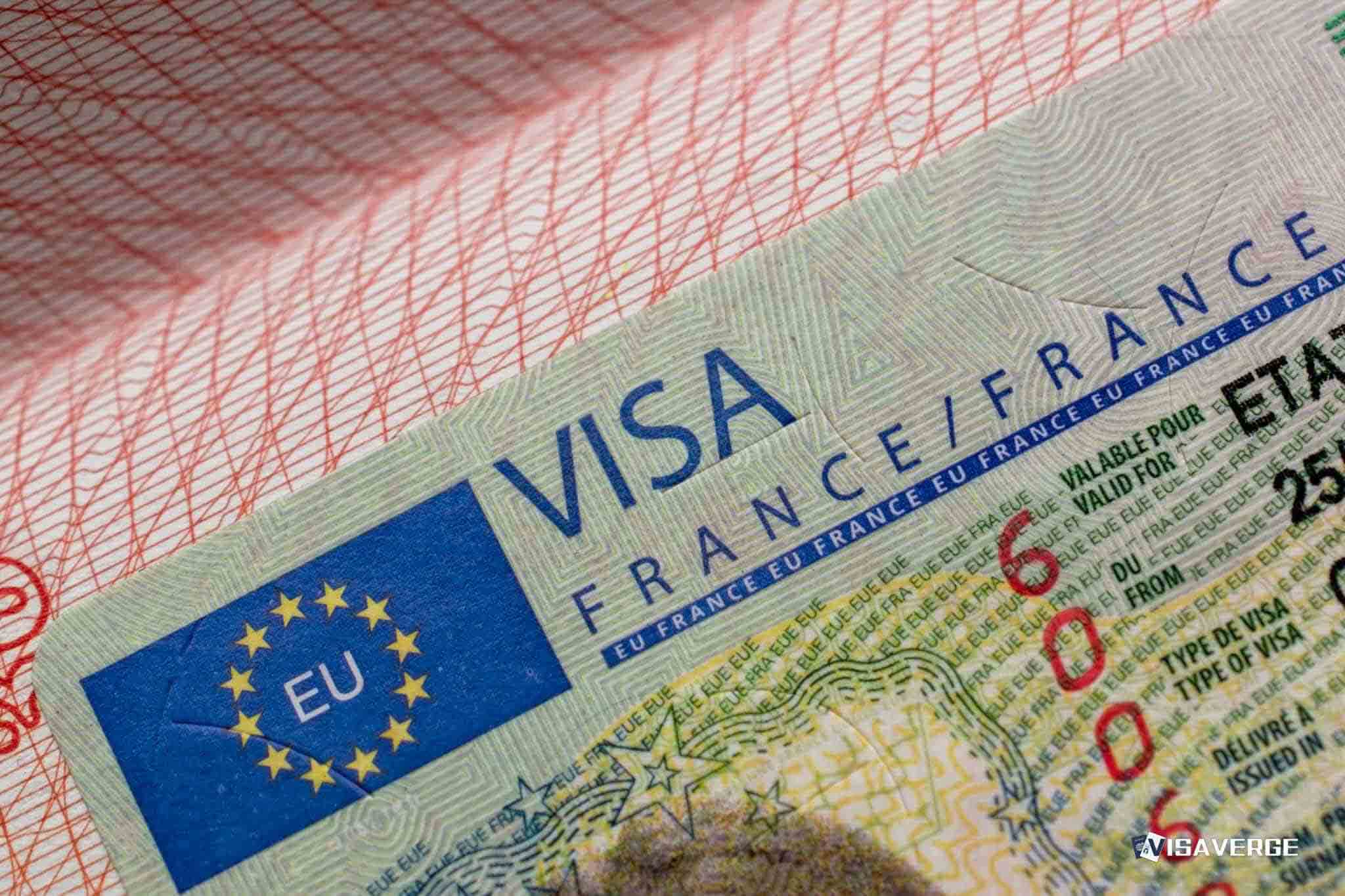
- Diplomatic protocols clarify that heads of state do not require ordinary visas for official international travel.
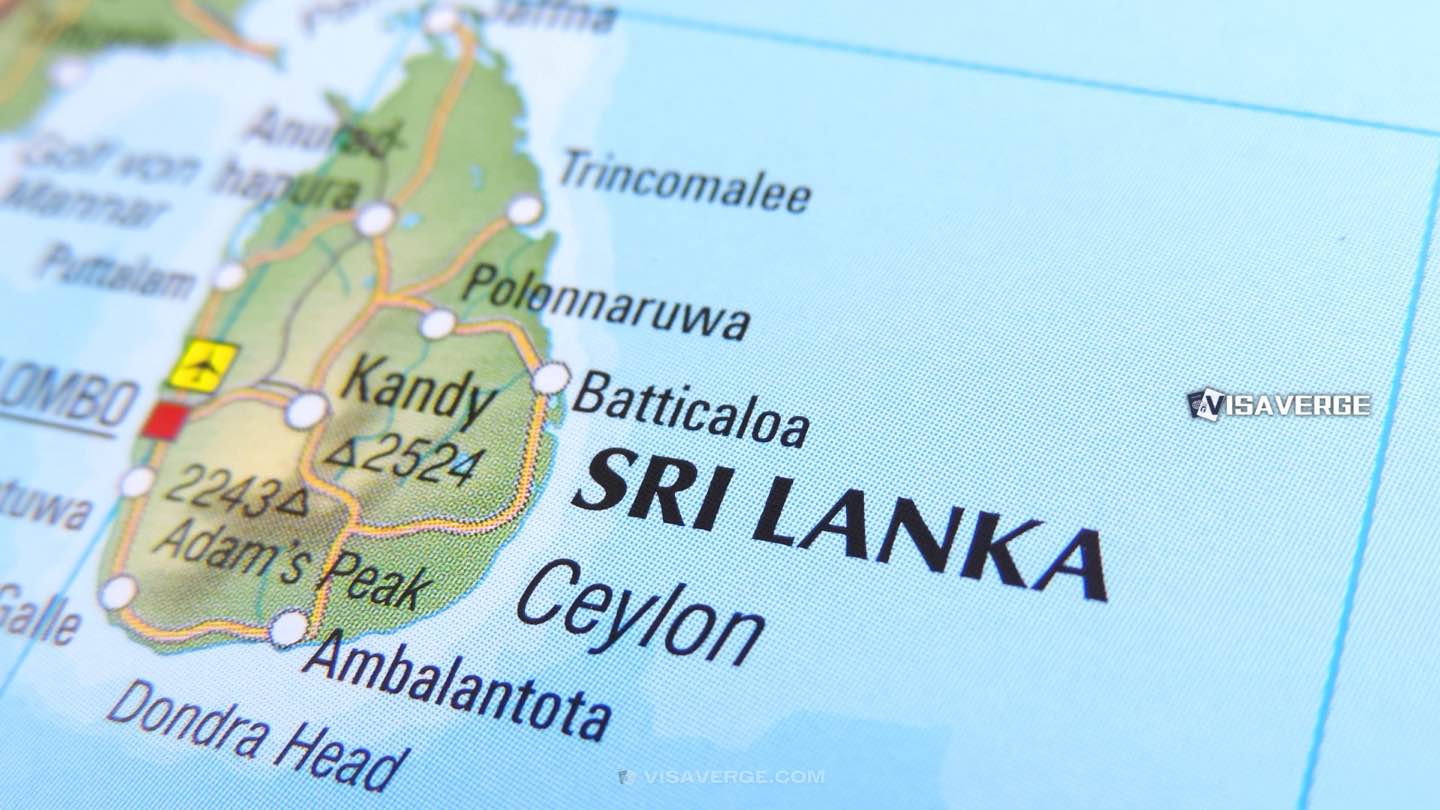
Sri Lankan and French officials pushed back this week against a rumor that France had refused a visa for Sri Lanka’s president, saying the delayed trip was tied to diplomacy and domestic business, not a border rebuff. The claim spread in mid-July. It was false.
On July 14, 2026, Cabinet Spokesman and Minister Dr. Nalinda Jayatissa told a weekly post-Cabinet briefing at the Government Information Department that the allegation had no basis. He said the delay had nothing to do with a visa dispute and that a new date would come through diplomatic consultation.
"Reports claiming France had rejected the President's visa are false. The postponement has nothing to do with any visa issue. a mutually convenient date would be announced in due course through diplomatic consultation."
The next day, the French Embassy in Colombo said the same story was wrong. It called the claims "entirely false" and said heads of state do not need ordinary visas for official trips under international diplomatic protocols.
The rumor had linked the delay to alleged visa problems and even tied it to domestic human rights or financial issues. Officials rejected that line outright. They said the trip was postponed, not blocked.
Heads of state do not move on ordinary visa rules
The embassy said it was already working with Sri Lankan authorities to find a new date. That date would come later in 2026.
The diplomatic point is simple. A head of state does not travel on the same terms as a private visitor.
That is why the claim drew such a fast response. It confused a scheduling change with a visa denial.
The trip was put back for domestic reasons
Foreign Affairs Minister Vijitha Herath said the president decided to remain in Sri Lanka to handle "urgent domestic priorities." He pointed to the investigation into the Negombo Prison violence.
Herath also said French authorities had been formally notified well in advance. The planned departure had been set for July 16, 2026.
Officials also described other pressures around the postponement. They cited domestic compulsions, including fallout from prison unrest and administrative pressure, along with the need to complete several memorandums of understanding on economic and defense cooperation.
The visit was meant to cover more than ceremony. It was meant to be work.
Macron, climate and trade were on the agenda
The talks had been set to include President Emmanuel Macron. They were expected to cover Indo-Pacific maritime security, climate change, and the renewal of the European Union’s GSP Plus tariff concessions.
Those issues sit at the center of Sri Lanka’s ties with Paris and Brussels. They also carry economic weight.
The delay temporarily slowed another track as well. Discussions with French investor CMA CGM over expansion of terminal infrastructure at Colombo Port were put on hold.
That matters for the port side of the relationship. It does not mean the trip is gone.
The embassy said it is still working with Sri Lankan authorities to reschedule the visit for later in 2026.