- Iceland has halved the post-graduation stay from thirty-six to eighteen months for international students.
- Students must now complete seventy-five percent of their annual coursework to qualify for permit renewals.
- New financial rules require applicants to show higher monthly means of over eighteen hundred dollars.
(ICELAND) — Iceland reduced the post-graduation residence period for international students from three years to 18 months on Wednesday, introducing stricter academic progress checks, narrower family reunification rights and higher financial requirements.
The amendments to the Icelandic Act on Foreign Nationals and the Foreign Nationals’ Right to Work Act entered into force on July 8, 2026, after Iceland’s Parliament approved them on June 18, 2026. The rules apply primarily to students from outside the European Economic Area (EEA) and European Free Trade Association (EFTA).
Graduates must now secure a specialist job offer within the 18-month post-graduation residence period if they want to move into a work permit route. The previous three-year period gave graduates more time to improve language skills, wait through hiring cycles or search for employment matching their qualifications.
Free toolOPT Timeline Calculator OnlineResidence permit renewals will also depend on mandatory academic progress reports. Students must show that they completed at least 75% of their full-time course load during each academic year.
The requirement applies at every renewal, rather than only at the first renewal. Students in diploma programs who fail to meet the threshold face difficulty renewing their permits, ending a route that allowed some students to remain in Iceland without demonstrating continuing academic engagement.
Iceland’s system now follows the approach used in Norway and Sweden, where academic progress remains a continuing condition of residence. Current students already in the country will face the new scrutiny when their permits come up for renewal.
Family reunification rights have also been narrowed. Student permit holders previously could bring spouses, cohabiting partners, children under 18 and parents over the age of 67.
The revised rules limit reunification to spouses and children under 18. The right applies only to students undertaking full-time university studies leading to a Bachelor’s, Master’s or Doctoral degree.
Students enrolled in diploma programs no longer qualify to bring family members under this route. Parents have been removed from the eligible categories entirely.
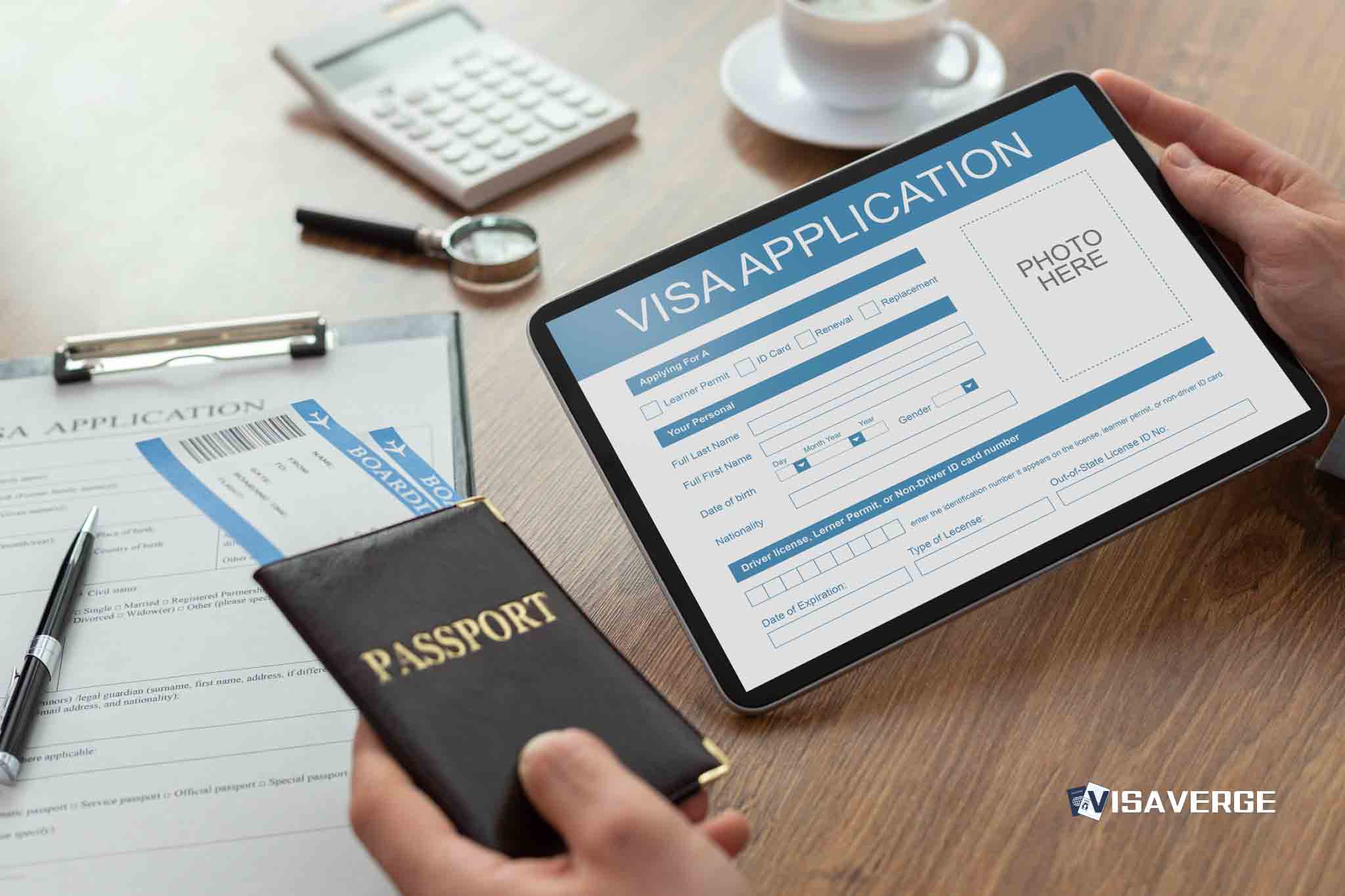
Financial requirements increased on May 18, 2026. Applicants from non-EEA countries must show monthly means of 259,951 ISK for an individual applicant and 415,922 ISK for a married couple.
The amounts equal approximately $1,850 USD for individuals and approximately $2,950 USD for married couples. Applicants must prove access to those funds at the outset of the application process.
The reforms also transfer responsibility for processing work permit applications and issuing work permits from the Directorate of Labour to the Directorate of Immigration, Útlendingastofnun. The change places residence and work permit oversight under one agency.
Previously, the two agencies divided responsibility for immigration and employment matters. The revised system gives the Directorate of Immigration access to employment information connected to a student’s residence conditions and authority to revoke work rights when legal requirements are not met.
Non-EEA and non-EFTA students, including Americans, face the shorter post-graduation period, higher financial threshold and annual academic progress checks. U.S. enrollment in Iceland fell 9% in 2025, though Americans remain one of the largest non-EEA groups in the country.
American students must now show the higher monthly means at the beginning of their applications and maintain academic records that support renewal. Tourist entry rules do not replace residence permission for stays exceeding 90 days.
The U.S. Department of State issued an advisory on May 14, 2026, saying that people who want to reside in Iceland for longer than 90 days must apply for a residence permit. The advisory also pointed travelers toward the European Entry/Exit System, known as EES, and the late-2026 ETIAS requirements.
The policy changes followed an eightfold rise in student applications from certain non-EEA countries between 2020 and 2025. By 2024, Iceland granted roughly 55% more student permits per capita than neighboring Nordic states.
A June 2026 policy brief from the Ministry of Justice said, “There are indications that student permits are being used as a way into the country without studying at an Icelandic university being the real purpose.”
Justice Minister Þorbjörg Gunnlaugsdóttir said the reforms were designed to “address irregular applications and ensure the system remains fair.” She also said the old rules were “more lenient than in other Nordic countries.”
The revised rules leave a separate provision for doctoral graduates. Foreign nationals who complete a doctoral degree in Iceland may renew a specialist residence permit for up to 12 months to seek employment based on their specialist expertise without requiring a work permit.
Bachelor’s and Master’s graduates remain subject to the 18-month limit. They must obtain a specialist job offer within that period to transition to a work permit route.
Another change will affect visa-exempt travelers from countries including the United States, Canada and the United Kingdom. They will need ETIAS approval before departure beginning in the last quarter of 2026.
ETIAS will apply to short stays of up to 90 days within any 180-day period for tourism, business or transit. It will not authorize long-term work or study. The application fee will be 20 euros, with exemptions for travelers under 18, over 70 and family members of European Union citizens.
The government plans a broader review of immigration policies later in 2026. Pending legislation could also allow public universities to charge tuition fees to non-EEA/EEA students, creating an additional cost for international applicants if approved.
The new rules tie residence more closely to completed coursework, financial self-sufficiency and qualifying employment after graduation. Students seeking to remain in Iceland must maintain the required academic record, meet the higher financial threshold and secure specialist work before the 18-month period expires.