- U.S. law schools report a 14% nationwide drop in international LL.M. applications for the 2026-2027 academic cycle.
- New policies replace open-ended status with fixed 4-year admission periods, requiring complex extensions for longer programs.
- The administration emphasizes student visas as strictly temporary stays, discouraging their use as a bridge to residency.
(UNITED STATES) – U.S. law schools are reporting a sharp fall in international student applications for the 2026-2027 academic year as new immigration rules and stricter visa policies reshape how foreign students weigh study in the United States.
Data from the Law School Admission Council and federal reports show the overall LL.M. applicant pool fell 14% nationwide. Applications from China dropped 21%, while applications from India fell 23%.

Individual schools reported deeper declines. UC Berkeley School of Law said LL.M. applications were down 20%, and the University of Michigan Law School reported a 30% decline this year after an 8% drop in 2025.
Free toolOPT Timeline Calculator OnlineThe downturn comes as the administration presses what officials describe as a return to the original intent of the law for nonimmigrant visas. Zach Kahler, USCIS spokesman, said on May 22, 2026: “Nonimmigrants, like students, temporary workers, or people on tourist visas, come to the U.S. for a short time and for a specific purpose. Our system is designed for them to leave when their visit is over. Their visit should not function as the first step in the Green Card process. This policy allows our immigration system to function as the law intended instead of incentivizing loopholes.”
That language has landed with force in legal education, where LL.M. programs depend heavily on foreign-trained lawyers. Many of those programs bring in full-tuition students and have long been one of the clearest entry points for international enrollment at U.S. law schools.
Visa denials have added to the pressure. The United States denied 35% of all international student visa applications in 2025, the highest rate in a decade.
USCIS set out another part of the shift in Policy Memorandum PM-602-0199, issued on May 21, 2026. The memo, titled “Adjustment of Status is a Matter of Discretion and Administrative Grace,” calls adjustment inside the United States an “extraordinary form of relief” and says “consular processing abroad should become the default path for obtaining immigrant visas.”
That memorandum changes a long-running assumption among many students that an F-1 visa could, in some cases, become a bridge to permanent residence without leaving the country. Officers are now directed to give added weight to negative factors, including “conduct inconsistent with the purpose of the original nonimmigrant entry.”
For students considering law school, that reaches beyond admissions strategy. LL.M. and joint-degree applicants often make plans that span several years, and some have viewed U.S. study as part of a professional path that might later include work authorization or permanent residence.
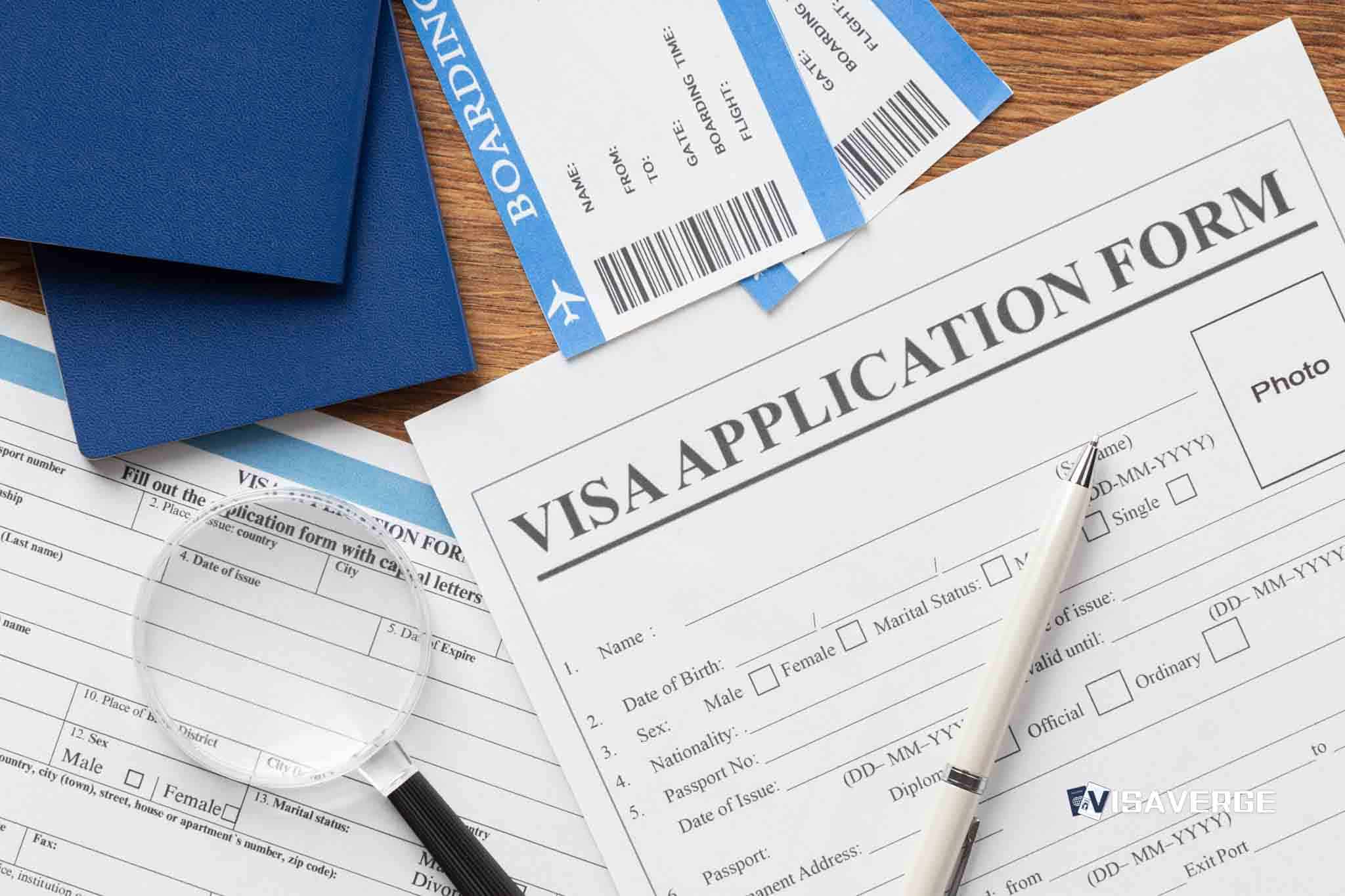
DHS has also defended a rule ending Duration of Status, known as D/S, for students and replacing it with a fixed admission period. In a regulatory argument released in June 2026, the department said the changes would “improve oversight, program integrity, and national security” by ensuring that “immigration officers, who are U.S. Government officials, are responsible for reviewing and deciding each. extension of stay (EOS) request.”
The final rule, submitted to the Office of Management and Budget on May 5, 2026, replaces open-ended admission with a fixed 4-year period. Students in longer programs, including some Ph.D. tracks and combined JD/LLM programs, must seek an extension from USCIS if their studies run past that limit.
That requirement adds paperwork and cost. Students seeking more time must file Form I-539, pay filing and biometrics fees, and wait for a formal decision instead of remaining in the country under the older D/S system while they continued a valid program.
The legal risk also rises once the admission period ends. Under the fixed-time approach, unlawful presence penalties can begin the day the authorized stay expires, exposing students to 3-year or 10-year bans from the United States.
Graduate students also face tighter limits once enrolled. The new rules bar them from changing programs after entry, a restriction that law school officials say can affect students who planned to shift focus after arrival, including those moving between fields such as corporate law and human rights.
Another layer of pressure came from entry restrictions that widened this year. A June 12, 2026 update to a Presidential Proclamation and a January 1, 2026 “Hold and Review” policy have paused or slowed visa issuance for citizens of 39 countries.
Those moves have changed the calculus for applicants deciding where to study. Even students who clear academic hurdles now face added uncertainty about whether they can secure a visa, complete a longer course of study on time, or adjust plans after arrival.
Law schools are exposed in a particular way because LL.M. programs draw mostly foreign-trained lawyers, not domestic applicants. Those programs are also often revenue-positive for universities because international students generally pay full tuition and do not receive the same aid structure available to many domestic J.D. students.
Gisele Joachim, LSAC Vice President, linked the fall in applications to that broader climate. “There is a feeling that the United States. is maybe not as welcoming to international students as it used to be,” Joachim said.
The decline in international student applications does not fall evenly across higher education, but legal education offers one of the clearest signs of how immigration policy can hit enrollment quickly. LL.M. candidates are usually making short-cycle decisions, comparing programs across countries, and applying with a direct professional goal in mind.
Policy language around temporary stays has become central to that decision-making. Kahler’s statement and the May 21, 2026 memo both frame student status as narrow and time-limited, not as the opening stage of an immigration process.
That framing marks a clear break from how many prospective students, schools, and advisers had treated the system in practice. The administration’s position is that student visas should match the original intent of the law, with study serving as a defined and temporary purpose rather than an on-ramp to residence in the United States.
Schools now face a recruitment cycle shaped by those rules as much as by rankings or tuition. A 14% national drop in LL.M. demand, paired with sharper losses from China and India, strips away two of the largest sources of foreign enrollment for many campuses.
The published government record behind the changes is spread across several agencies. USCIS has posted updates in its Newsroom, DHS has published the fixed-time admission rule in the Federal Register, USCIS released Policy Memorandum PM-602-0199, and DHS tracks broader student trends through Study in the States.
What those documents describe is already showing up in admissions numbers. At a moment when U.S. law schools rely on globally mobile students to fill many LL.M. seats, a visa system built more tightly around temporary stays is reshaping who applies, who gets approved, and who decides the United States is no longer worth the risk.