Key Takeaways
• Since June 12, 2025, France, Germany, and Spain travelers face detentions and entry denials in US airports.
• US Immigration Crackdown includes digital device searches and heightened scrutiny despite valid visas or ESTA approvals.
• New travel ban blocks 12 countries fully, partially restricts 7 others; France, Germany, Spain affected by enforcement expansion.
Travelers from France, Germany, and Spain Face Detentions Amid US Immigration Crackdown
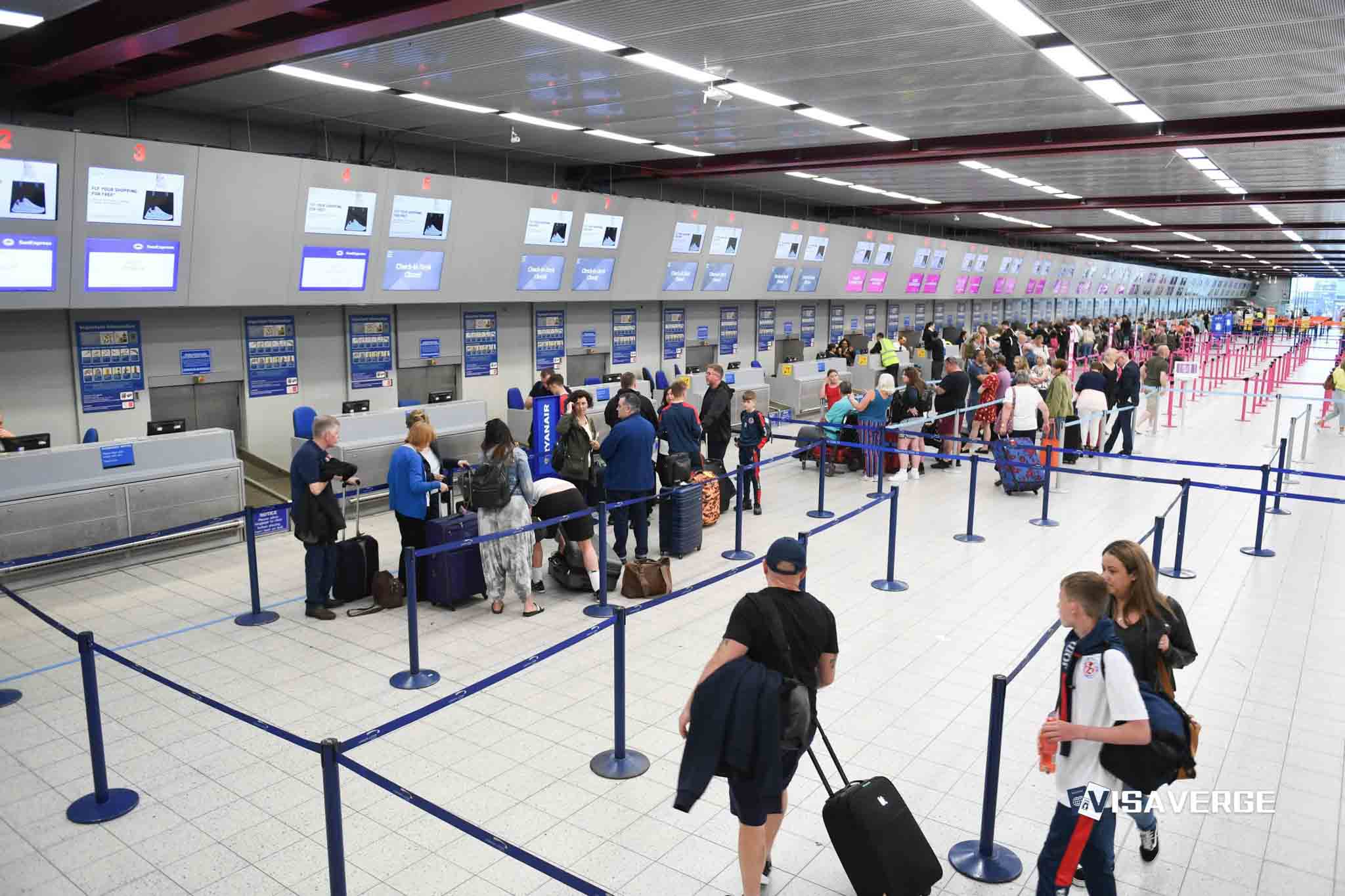
As of June 12, 2025, travelers from France ??, Germany ??, and Spain ?? are facing a new wave of detentions and entry denials at major airports across the United States ??. This development is part of a broader US Immigration Crackdown that has intensified under President Trump’s administration. The enforcement actions are being reported at key entry points like New York’s JFK, Los Angeles (LAX), and Miami airports, affecting even those with valid travel documents.
Free toolSchengen Short-Stay Visa Calculator
This article explains who is affected, what is happening, why these changes are taking place, and how travelers can protect themselves. It also provides background on the policy shift, expert opinions, and practical steps for those planning to visit the United States ??.
Who Is Affected and What’s Happening?
Travelers from France ??, Germany ??, and Spain ??—countries that have long enjoyed close ties with the United States ??—are now being detained or denied entry at US airports. These incidents are not limited to people with questionable documents. Even those holding valid visas or Electronic System for Travel Authorization (ESTA) approvals are being stopped, questioned, and sometimes sent back home.
Why Is This Happening?
The US Immigration Crackdown is part of a larger push by President Trump’s administration to enforce immigration laws more strictly. On June 11, 2025, President Trump announced a new travel ban that blocks immigrants and non-immigrants from 12 countries, mostly in Africa and Asia, and places partial restrictions on seven others. While France ??, Germany ??, and Spain ?? are not on the banned list, the crackdown has expanded to include travelers from these countries due to concerns about unauthorized work and minor discrepancies in travel records.
How Are Travelers Being Affected?
- Detentions and Entry Denials: Travelers are being held for hours, days, or even weeks. Some are denied entry and sent back to their home countries, even with valid documents.
- Digital Surveillance: Customs officers are checking travelers’ phones, laptops, and social media accounts for signs of unauthorized work or other issues.
- Heightened Scrutiny: Even small mistakes or differences in paperwork can lead to detention or denial of entry.
Recent Policy Changes: The New Travel Ban
President Trump’s new travel ban, announced on June 11, 2025, is one of the most significant changes in recent years. The ban fully blocks entry for people from Afghanistan, Myanmar, Chad, the Republic of Congo, Equatorial Guinea, Eritrea, Haiti, Iran, Libya, Somalia, Sudan, and Yemen. Partial restrictions apply to Burundi, Cuba, Laos, Sierra Leone, Togo, Turkmenistan, and Venezuela.
While the ban does not directly target France ??, Germany ??, or Spain ??, the overall message is clear: the United States ?? is tightening its borders and increasing enforcement for all travelers.
Key Statements from Stakeholders
- President Trump: He has said that these measures are necessary for national security and to ensure that only those who follow US laws are allowed entry. He referenced an annual Homeland Security report to justify the crackdown.
- Fasika Alem, United African Organization: At a rally in Illinois, Alem highlighted the growing anxiety among immigrants and the rush to become US citizens in response to the crackdown.
Current Status at US Airports
The US immigration system is now under strict scrutiny. Customs and Border Protection (CBP) officers are detaining travelers for reasons that might have been overlooked in the past. Even travelers with all their paperwork in order are being stopped if officers find:
- Minor discrepancies in travel history or documents
- Signs of unauthorized work (such as work-related emails or social media posts)
- Unusual travel patterns that raise suspicion
Quantitative Data: How Widespread Is the Problem?
While the US government has not released exact numbers, reports from immigration lawyers and advocacy groups show a clear increase in detentions involving European travelers. According to analysis by VisaVerge.com, people from France ??, Germany ??, and the United Kingdom ?? are being stopped more often, even though they have a history of strong ties with the United States ??.
What Are the Practical Effects for Travelers?
Travelers from France ??, Germany ??, and Spain ?? now face:
- Longer wait times at airports
- Greater risk of being detained or denied entry
- Possible searches of electronic devices
- Emotional distress and financial loss if denied entry or forced to return home
Step-by-Step: What Should Travelers Do?
If you are planning a trip to the United States ??, here are steps to help reduce your risk:
- Check Your Documents: Make sure your passport, visa, or ESTA approval is valid and matches your travel plans. Double-check all dates and personal information.
- Prepare for Questions: Be ready to answer detailed questions about your trip, your job, and your plans in the United States ??.
- Limit Digital Footprint: Customs officers may ask to see your phone, laptop, or social media. Remove any information that could be misunderstood as work-related if you are traveling as a tourist.
- Know Your Rights: If you are detained, you have the right to ask for legal help. You can contact your country’s embassy or consulate for assistance.
- Legal Assistance: If you are denied entry or detained, consider contacting an immigration lawyer. The American Immigration Lawyers Association (AILA) provides resources and referrals.
For more information on official entry requirements and traveler rights, visit the U.S. Customs and Border Protection (CBP) website.
Expert Analysis: What Does This Mean for International Travelers?
Immigration experts warn that the aggressive enforcement tactics are causing anxiety among travelers and could hurt tourism and business ties. Many people now feel uncertain about visiting the United States ??, even for short trips.
- Tourism Impact: Fewer people may choose to visit, which could affect hotels, restaurants, and other businesses.
- Business Travel: Companies may find it harder to send employees to the United States ?? for meetings or conferences.
- Family Visits: Families may be separated if a member is denied entry or detained.
Government officials, on the other hand, argue that these steps are needed to protect the country and prevent unauthorized work or illegal activities.
Background: How Did We Get Here?
The US immigration system has always been complex, but recent years have seen a shift toward stricter enforcement. Under President Trump, there has been:
- Expansion of Travel Bans: More countries are now subject to entry restrictions.
- Increased Border Checks: Officers are using new technology to check travelers’ backgrounds and digital activity.
- Focus on Unauthorized Work: Even tourists are being questioned about their work history and intentions.
These changes have made it harder for people from all over the world—including close allies like France ??, Germany ??, and Spain ??—to enter the United States ?? without facing extra scrutiny.
Digital Surveillance: What Are Officers Looking For?
Customs officers now use digital tools to check travelers’ electronic devices. They may look for:
- Emails or messages about work
- Social media posts that suggest you plan to work in the United States ??
- Photos or documents that do not match your stated purpose of travel
If officers find anything suspicious, they may detain you for further questioning or deny you entry.
Policy Implications: Who Is Most at Risk?
- Tourists: Even those with valid visas or ESTA approvals can be detained if officers suspect unauthorized work.
- Students: Students from France ??, Germany ??, and Spain ?? may face extra questions about their studies and plans.
- Business Travelers: People coming for meetings or conferences should have clear documentation about the purpose and length of their trip.
What Should Employers and Families Know?
- Employers: If you are sending staff to the United States ??, make sure they have all the right paperwork and understand the risks.
- Families: If a family member is traveling, help them prepare by reviewing their documents and travel plans.
Practical Guidance: How to Respond if Detained
If you are detained at a US airport:
- Stay Calm: Answer questions honestly and clearly.
- Request Legal Help: You can ask to speak with a lawyer or contact your embassy.
- Do Not Sign Anything You Do Not Understand: Ask for an explanation of any documents before signing.
- Contact Family or Friends: Let someone know where you are and what is happening.
Future Outlook: What’s Next for US Immigration Policy?
The US Immigration Crackdown is likely to continue, with more travelers facing delays and extra checks. There may be further expansions of travel bans or new digital surveillance tools in the future. Travelers should stay informed about policy changes and be prepared for stricter enforcement.
Pending Changes to Watch For:
- Possible expansion of the travel ban to more countries
- Increased use of digital surveillance at airports
- More detailed questioning for all travelers, regardless of nationality
Official Resources and Where to Get Help
For the latest information on US entry requirements, travel advisories, and your rights as a traveler, visit these official government websites:
- U.S. Customs and Border Protection (CBP)
- U.S. Department of State
- U.S. Citizenship and Immigration Services (USCIS)
These sites provide up-to-date details on visa requirements, travel bans, and what to do if you are detained or denied entry.
Conclusion: What Travelers Should Do Now
The US Immigration Crackdown is creating new challenges for travelers from France ??, Germany ??, and Spain ??. Even with valid documents, you may face extra questions, searches, or even detention. To protect yourself:
- Double-check all travel documents
- Be honest and clear about your travel plans
- Limit work-related information on your devices
- Know your rights and where to get help
As reported by VisaVerge.com, staying informed and prepared is the best way to reduce your risk and ensure a smoother entry into the United States ??. If you are planning a trip, check official resources regularly and consider seeking legal advice if you have concerns about your eligibility or travel history.
By following these steps and staying aware of the latest policy changes, travelers can better protect themselves and avoid unexpected problems at the border. The situation may continue to change, so always check for updates before your trip and be ready for extra scrutiny at US airports.
Learn Today
US Immigration Crackdown → A strict enforcement effort by the US government to strengthen border security and immigration controls.
ESTA → Electronic System for Travel Authorization, a pre-approval required for visa waiver travelers entering the US.
Travel Ban → US government policy restricting entry from specific countries to enhance national security.
Customs and Border Protection (CBP) → US federal agency responsible for border security and immigration enforcement at ports of entry.
Digital Surveillance → Inspection of travelers’ electronic devices and online activity for unauthorized work or security threats.
This Article in a Nutshell
Travelers from France, Germany, and Spain now face stricter US airport detentions and searches amid an intensified immigration crackdown under President Trump, causing delays and entry denials even with valid documents, reflecting a broader policy shift to tighten border security and prevent unauthorized work.
— By VisaVerge.com