- The NTSB issued its final report regarding the July 2025 collision between Breeze and ANA jets.
- Investigators blamed improper parking positioning of the Airbus and inadequate clearance maintenance by the Boeing crew.
- Breeze Airways is suing for 6.5 million dollars to cover repairs and lost revenue.
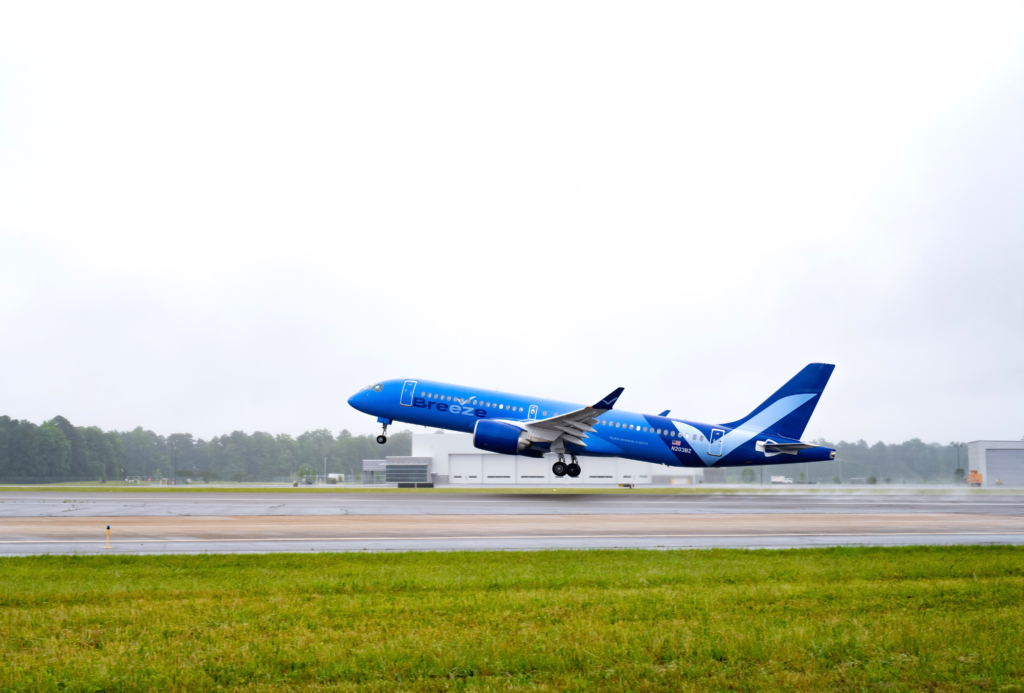
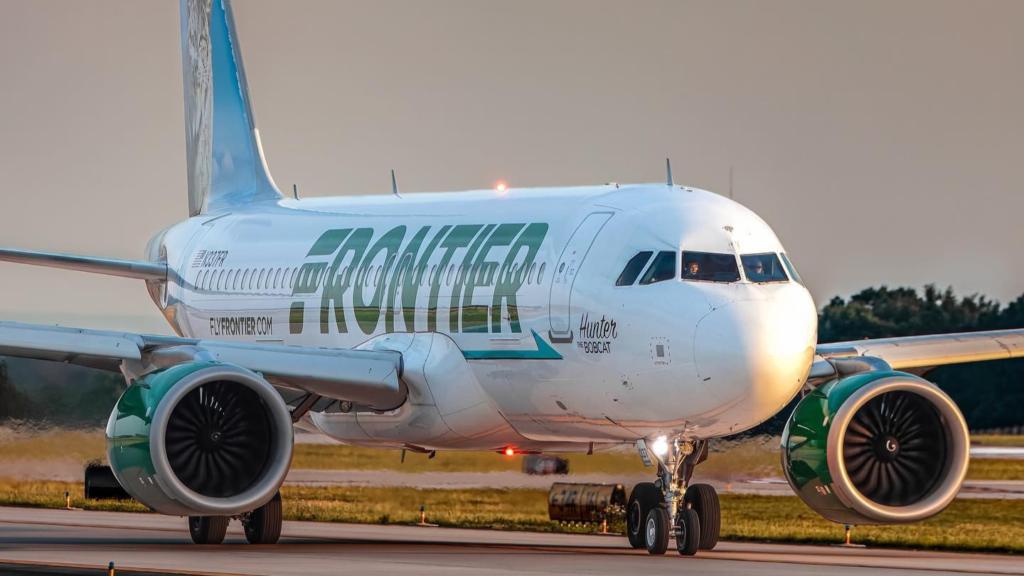
The National Transportation Safety Board says a parked Breeze Airbus A220 extended into a Charleston taxiway before an All Nippon Airways Boeing 787 struck its tail on July 18, 2025. The collision injured two passengers and damaged both aircraft.
The agency published its report on July 16, 2026. It attributed the crash to two failures: ground personnel positioned the Airbus beyond the permitted parking boundary, while the 787 crew did not keep sufficient clearance during the nighttime taxi.

The collision occurred at 9:49 p.m. local time at Charleston International Airport in North Charleston, South Carolina. The moving aircraft was Flight 9397, registration JA986A. The parked aircraft was Flight 509, registration N247BZ.
The NTSB investigated the event under Case Number DCA25LA267. An earlier case notification classified it as a Class 4 investigation and said the agency would issue no preliminary report.
Flight 509 had 93 passengers aboard. It diverted from its Las Vegas-to-Norfolk route because severe thunderstorms affected the Norfolk area, then landed in Charleston and waited for additional fuel.
Ground personnel placed the Airbus on the remain-overnight ramp at spot R1 before moving it to R6. Investigators found that the aircraft stopped beyond the ramp clearance line, leaving its tail extending into taxiway M.
The parked Airbus crossed the clearance line before the 787 began taxiing
The collision involved a Boeing 787-10 and an Airbus A220-300. The 787 had recently been delivered from the nearby Boeing South Carolina factory and was being ferried toward Tokyo (Haneda) through Los Angeles with a crew of five.
| Aircraft | Position during collision | Flight and registration | Contact and damage |
|---|---|---|---|
| Boeing 787-10 | Taxiing | Flight 9397, JA986A | Left wingtip struck the other aircraft’s vertical stabilizer |
| Airbus A220-300 | Parked | Flight 509, N247BZ | Tail fin and rudder required replacement |
The 787’s left wingtip hit the vertical stabilizer of the stationary Airbus. Darkness covered the ramp, and taxiway centerline lighting was not available.
The report’s cause determination places responsibility on both movements. The parked jet’s tail projected into the path, and the taxiing crew failed to maintain adequate separation from it.
The airport was handling diverted aircraft that night. The additional traffic created a crowded operating environment for ground crews and flight crews.
Shannon Masters served as the NTSB investigator-in-charge. The agency’s earlier notification stated:
“The NTSB is conducting a Class 4 investigation into this event. A preliminary report will not be issued but a final report will be released at the conclusion of the investigation”
The July 16 document is described in the federal report summary as the final report and includes the collision’s cause. Separate case material said the final factual report and probable-cause determination remained pending, creating two descriptions of the investigation’s status as of July 2026.
Five minor injuries were reported as passengers left the damaged aircraft
Two passengers from Flight 509 were evaluated at the scene. Federal reporting listed five minor injuries in all, including three additional people.
Passengers left the Airbus by stairs and traveled by bus to the terminal. A replacement aircraft departed Charleston at 1:52 a.m. on July 19 and reached Norfolk at 2:50 a.m.
The NTSB classified the damage to the Airbus as “substantial.” Repairs required a full replacement of the tail fin and rudder, and the aircraft remained grounded for approximately two months.
Both aircraft have since been repaired and returned to commercial service. The Boeing’s planned ferry movement was headed toward Tokyo (Haneda) via Los Angeles.
The airport’s broader operations continued after the collision, according to Spencer Pryor, a spokesperson for the Charleston County Aviation Authority. He said first responders reached the scene promptly and the incident did not disrupt wider airport operations.
The airlines gave different accounts before Breeze sued for more than $6.5 million
The NTSB’s findings differ from the competing descriptions offered by the airlines. The carrier operating Flight 509 said the aircraft had landed safely and was waiting for fuel when the other jet struck its tail.
“The plane landed safely in CHS and was parked and waiting to receive additional fuel. when the tail was struck by another aircraft. as it was taxiing.”
The other carrier described the contact in different terms:
“The left wingtip of [our] plane made contact with equipment positioned near a Breeze Airways aircraft.”
In May 2026 court filings, ANA denied negligence and blamed the ground crew and the airport layout. The filings described the incident as a plane being “in the wrong place at the wrong time.”
Breeze filed suit on March 20, 2026, in the U.S. District Court for the District of South Carolina. The airline seeks more than $6.5 million for structural repairs, revenue lost while the Airbus was grounded and costs tied to passenger legal claims.
The lawsuit addresses financial damages, while the NTSB report addresses the sequence that produced the collision. The agency’s account identifies the Airbus’s parking position and the 787 crew’s clearance judgment as the two contributing failures.
The aircraft have returned to service, but the court dispute remains active. The July 16 report and the pending status described in separate case material leave the safety investigation and the airlines’ financial claims on parallel tracks.