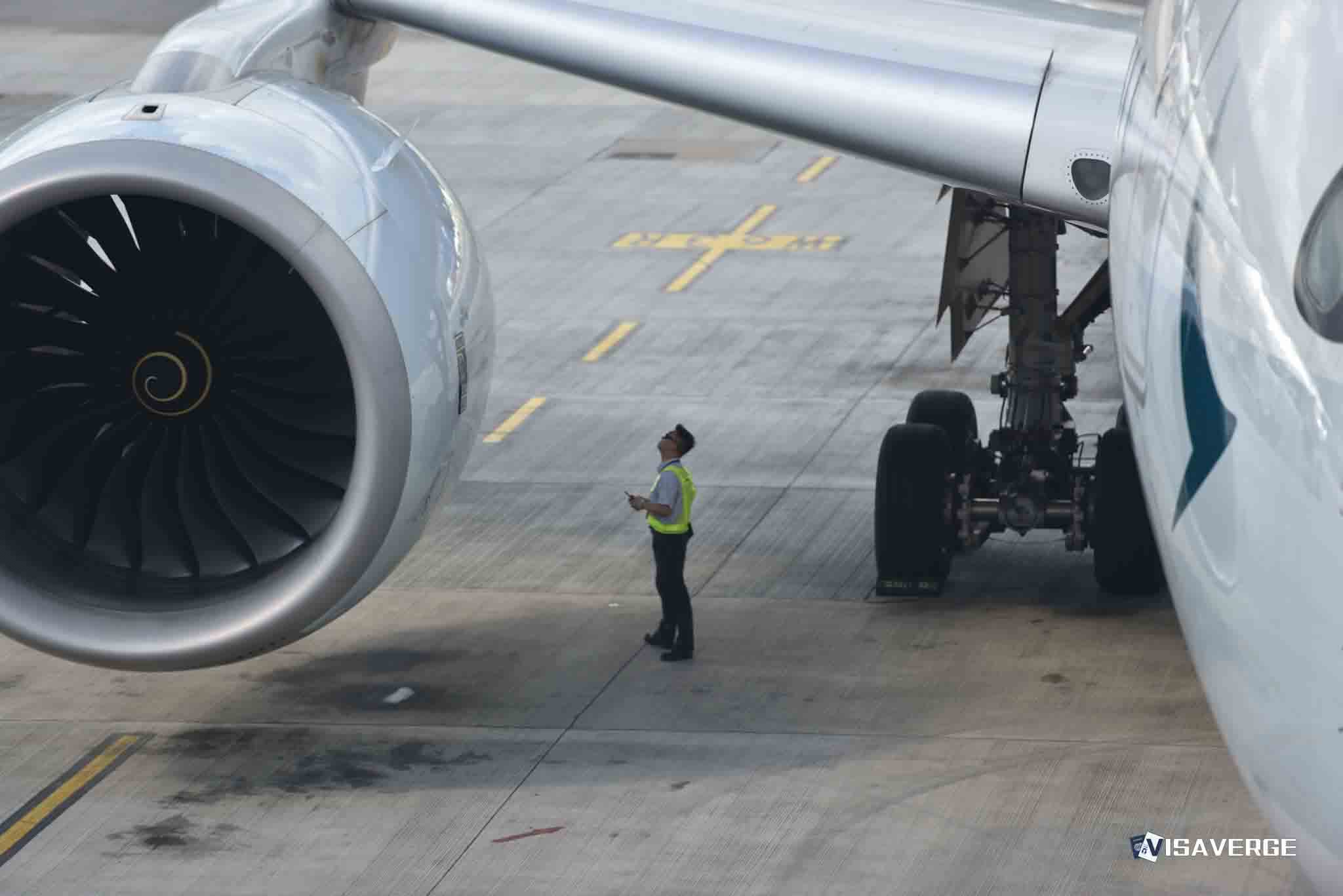
- NTSB investigators found the aircraft was nine hundred pounds overweight during severe icing conditions.
- The pilot lost situational awareness while managing de-icing systems, leading to an aerodynamic stall.
- A pattern of repeated weight violations went undetected due to inadequate Federal Aviation Administration oversight.
The NTSB blamed an overweight flight, pilot error and inadequate FAA oversight Thursday for the February 2025 crash that killed all 10 people aboard in Western Alaska.
Bering Air routinely operated flights above weight limits as it expanded after a major competitor’s bankruptcy, investigators found. The aircraft departed Unalakleet for Nome on February 6, 2025, then crashed onto sea ice in Norton Sound.
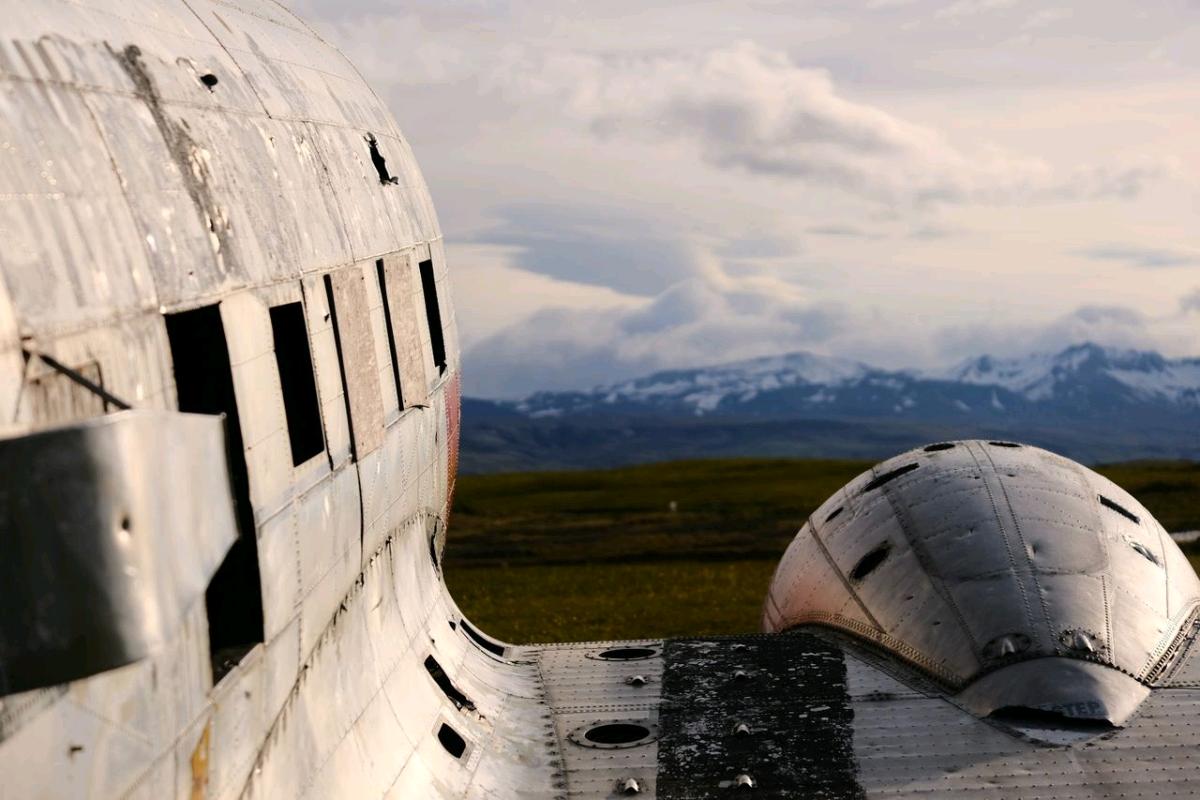
The pilot, Chad Antill, lost situational awareness while managing the de-icing system during severe icing. Airspeed fell below the level needed to safely operate the ice protection system, and the aircraft stalled during the approach.
The aircraft was a Cessna Grand Caravan, operating as Bering Air Flight 445, a scheduled commuter flight under Part 135 rules. All 10 people aboard died: one pilot and nine passengers.
The agency released its final report, AIR-26-05, on Thursday, July 30, 2026. Jennifer Homendy, the NTSB chair, said the crash reflected multiple breakdowns rather than one mistake.
“The tragedy of Flight 445 was not the result of a single failure, but a series of preventable breakdowns that eroded critical safety margins.”
The report estimated that the aircraft left Unalakleet at about 9,798 pounds, roughly 991 pounds above the maximum gross weight permitted in those icing conditions. Its airspeed dropped below 95 knots, the minimum required to safely operate the TKS ice protection system.
The flight entered icing conditions with little margin for error
The aircraft struck sea ice approximately 34 miles southeast of Nome, at a location in Norton Sound in the Bering Sea. Investigators identified an aerodynamic stall and loss of control after the declining airspeed went unmanaged.
The pilot became occupied with the de-icing system while confronting severe icing. That distraction contributed to a loss of situational awareness, the report said.
The flight’s operating weight added to the danger. The aircraft’s excess weight reduced its safety margin while ice accumulated and the pilot worked to maintain performance.
| Report detail | Finding |
|---|---|
| Accident date | February 6, 2025 |
| Report date | July 30, 2026 |
| Route | Unalakleet to Nome |
| Crash location | Norton Sound sea ice, approximately 34 miles southeast of Nome |
| Estimated departure weight | 9,798 pounds |
| Excess weight in icing conditions | Roughly 991 pounds |
| Airspeed threshold cited | 95 knots |
| People killed | 10 |
The aircraft, registration N321BA, was a 2020 Cessna 208B Grand Caravan EX. It carried Antill, 34, of Nome, and nine passengers: Liane Ryan, 52; Donnell Erickson, 58; Andrew Gonzalez, 30; Kameron Hartvigson, 41; Rhone Baumgartner, 46; JaDee Moncur, 52; Ian Hofmann, 45; Talaluk Katchatag, 34; and Carol Mooers, 48.
Baumgartner and Hartvigson worked for the Alaska Native Tribal Health Consortium. They were traveling to service a local water plant.
Records showed repeated weight violations before the crash
Investigators found a pattern of underreported weights on company load manifests. The problem extended beyond the accident flight.
One review covered 35 flight legs and found seven above their weight limitations. Another sampled 16 flights during the 10 days before the crash. Forty-four percent of the individual legs exceeded maximum gross takeoff weight.
The report linked the repeated operations to inadequate internal safety management systems. It also found that the carrier’s operations became more complex as the company grew after the pandemic and the bankruptcy of its largest competitor.
The FAA Fairbanks Flight Standards District Office failed to recognize that change, investigators concluded. Its oversight also failed to identify and address routine overweight operations.
Clint Johnson, the agency’s Alaska Region chief, said early in the investigation that nine specialists from nine disciplines were examining the carrier’s operations.
“nine people, of nine different disciplines”
The agency’s recommendations target both the operator and its regulator. They call for more explicit FAA surveillance of rapidly growing carriers and stronger controls over loading records.
The recommendations reach beyond one carrier
The report recommends mandatory Upset Prevention and Recovery Training for Part 135 and 91K operators. It also calls for Flight Data Monitoring programs and recording devices for all charter operators.
The agency urged stricter load-manifest and recordkeeping requirements. Those measures would give regulators a clearer way to detect flights that exceed weight limits.
The recommendations also call for broader use of flight data monitoring and load manifests among Part 135 carriers. Stronger upset-recovery training would address the type of loss of control identified in the crash.
The FAA said it “takes NTSB recommendations seriously and will carefully review them.”
The carrier changed its procedures after the accident. It introduced a mandatory flight release program, overhauled dispatch procedures and added simulator scenarios involving severe icing under heavy loads.
The company also said it was “truly heartbroken by the loss” and described the crash as an “unprecedented event for both our team and our customers.”
Families filed wrongful-death lawsuits one year later
In February 2026, several victims’ families filed wrongful-death lawsuits in Nome Superior Court on the crash’s one-year anniversary. The lawsuits accuse the company of breaching its duty of care.
The filings allege that the operator was “overloading the aircraft. making the aircraft unairworthy and unsafe to fly.”
The legal claims follow the report’s findings about recurring overweight flights and underreported manifest weights. The investigation, however, focused on determining the causes and contributing factors of the crash.
The final report places the pilot’s airspeed management, the aircraft’s operating weight and federal oversight in the same chain of events. The carrier’s new release, dispatch and simulator procedures now apply to flights facing the icing and loading risks examined by investigators.