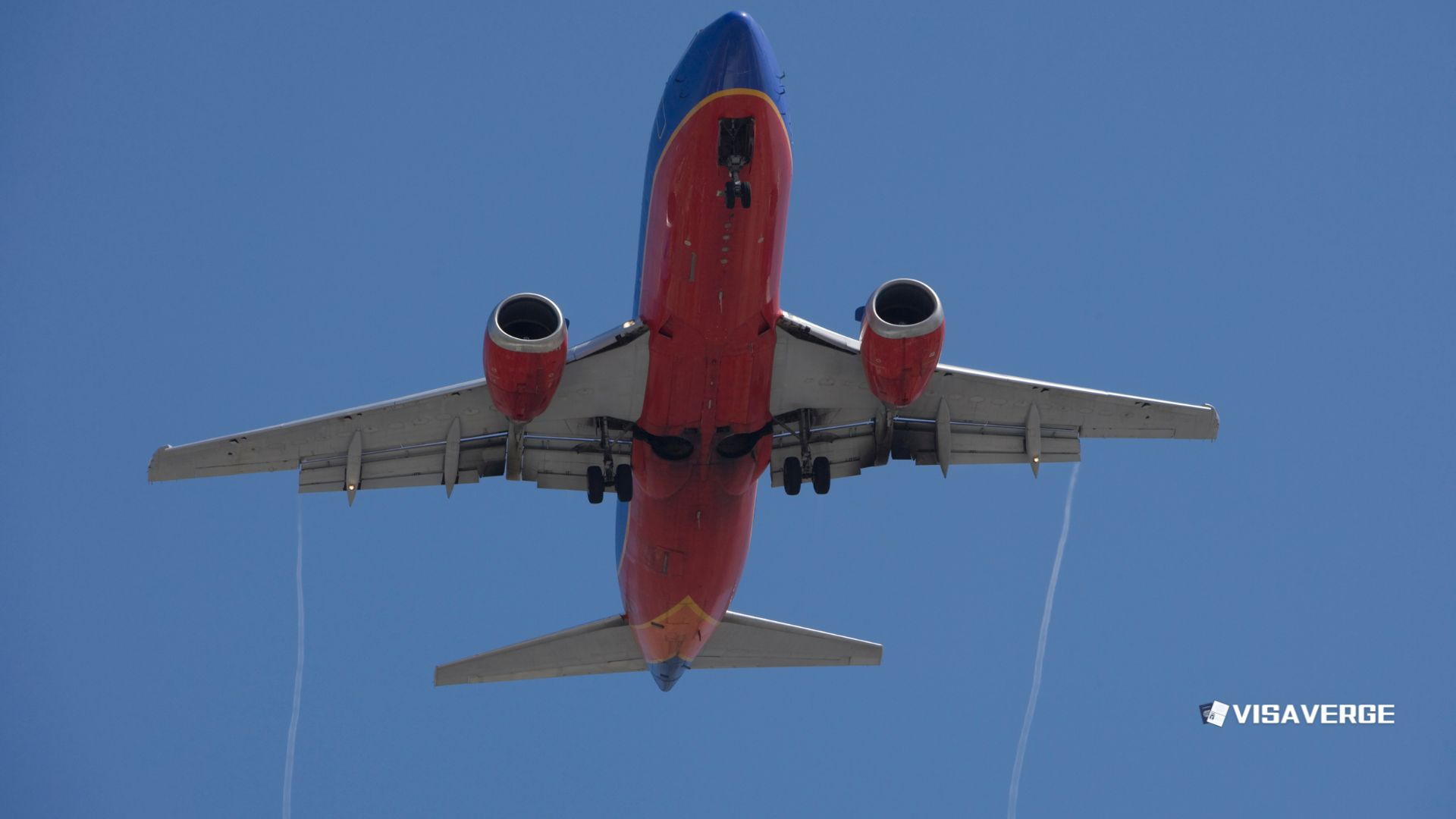
- The NTSB and FAA are investigating a near miss involving a Southwest flight at Chicago Midway on August 3, 2026.
- A separate incident involved a Raytheon Premier business jet landing safely after reporting cockpit smoke on August 11, 2026.
- New FAA surface-detection technology aims to reduce runway incursions, which dropped eight percent during twenty twenty-five.
The NTSB is investigating a near miss involving a Southwest flight at Chicago Midway International Airport, where an emergency response appeared at the airport Monday morning, August 3, 2026. The response is separate from the runway conflict that brought two aircraft within feet of each other in February 2025.
A Federal Aviation Administration statement also lists another Midway incident involving a Raytheon Premier business jet. The aircraft landed safely after its pilot reported smoke in the cockpit shortly after departure on Sunday, August 11. Both the FAA and NTSB were investigating that event.
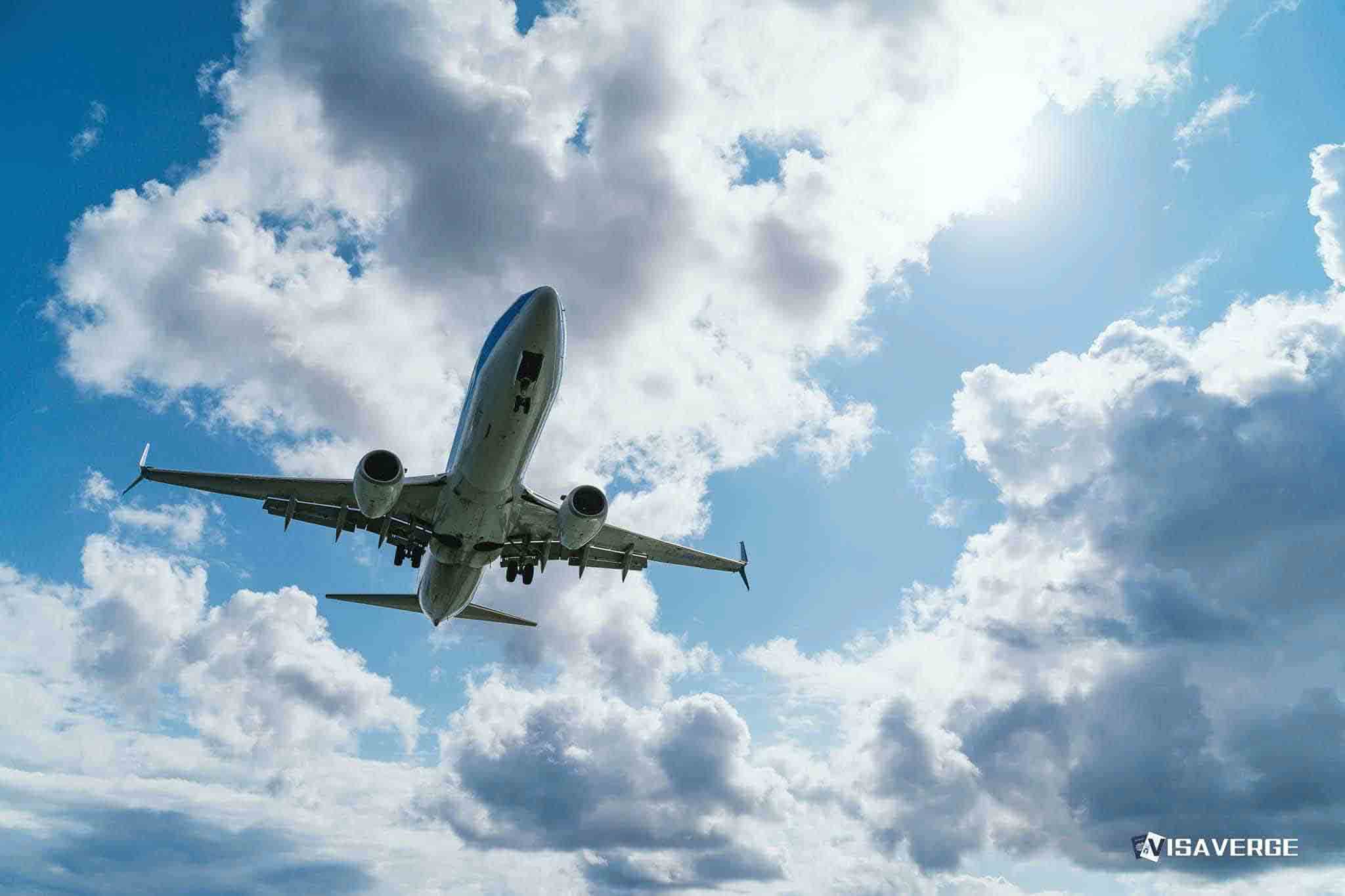
The 2025 case involved Southwest Airlines Flight 2504 and Flexjet Flight 560. It remains relevant to Midway’s runway-safety scrutiny, but it is not the same event as Monday’s emergency response.
No injuries were reported in the earlier near miss. Neither aircraft suffered damage.
Two Midway events now sit alongside the earlier runway conflict
The February 2025 encounter unfolded at approximately 8:48 AM CST. The Southwest Boeing 737-800 was arriving from Omaha, Nebraska, while the Flexjet Bombardier Challenger 350 taxied for departure to Knoxville, Tennessee.
The Southwest crew abandoned the landing and climbed away. The airline described the maneuver as a “precautionary go-around to avoid a possible conflict with another aircraft that entered the runway.”
Passengers later gave different accounts of their awareness. Some said they had “no idea about the aborted landing” until hours afterward. Others remembered a “sudden roar of engines.”
Rob Mark, a pilot and former controller, praised the maneuver as a “perfect go-around.” He said the aircraft was about 100 feet above the ground when the crew executed it. Jeff Guzzetti, a former NTSB member, called the event a “very serious runway incursion.”
Jennifer Homendy, then the NTSB chairwoman, attributed the conflict to a failure to follow air traffic control instructions. Speaking on February 26, 2025, she said it reflected a “failure of the private jet crew to listen to air traffic control instructions.”
“The tower, the entire time, was saying, 'We have a real safety problem here,' and nobody was listening.”
Flexjet said it was “conducting a thorough investigation” and added that “Flexjet adheres to the highest safety standards.” Southwest characterized its crew’s action as a precautionary response to the runway entry.
The aircraft carried 148 people between them
The aircraft and their closest reported separation were:
| Flight | Aircraft and route | Occupants | Closest separation |
|---|---|---|---|
| Southwest Airlines Flight 2504 | Boeing 737-800, Omaha, Nebraska to Midway | 145 | Approximately 200 feet laterally and 175 feet vertically |
| Flexjet Flight 560 | Bombardier Challenger 350, Midway to Knoxville, Tennessee | 3 | Approximately 200 feet laterally and 175 feet vertically |
At the closest point, the Southwest jet passed less than 200 feet behind the private jet’s tail during the go-around. The combined total was 148 people.
The commercial aircraft had been landing. The business jet had been preparing to depart.
Sun glare and airport geometry obscured the taxi route
A preliminary report released March 18, 2025, described conditions that complicated the Flexjet crew’s view of the airport surface. The pilots reported “glare from the rising sun,” which stood at an azimuth of 126 degrees.
The crew also misidentified the pavement. They mistook Runway 31L for a taxiway because the runway is only 60 feet wide, a dimension similar to standard taxiways. They believed the wider Runway 31C, at 150 feet, was 31L.
The airport’s earlier configuration added another visual change. What had been Runway 31R had been converted into Taxiway H.
Those details formed part of the report’s explanation of how the private jet reached the runway area. Air traffic control warnings continued as the arriving 737 approached.
FAA officials are pairing new technology with a lower-incursion goal
Michael Whitaker, the FAA administrator, said on July 13, 2026, that the agency’s goal was “zero serious close calls.” He pointed to new surface-detection technology at busy airports, including Midway.
An FAA report issued in late July 2026 recorded an 8% decline in runway incursions during 2025. The figure marked the lowest level since 2020, with “Surface Awareness and Guidance” technology contributing to the reduction.
The agency’s incident statement says it will provide updates when the NTSB leads an investigation. Public agency resources include the NTSB investigations page and the FAA’s accident and incident statements.
Congressman Jesús “Chuy” García invoked the Midway near miss while opposing FAA budget cuts. He said, “This is why cuts to FAA are dangerous.”
Other 2026 events have widened attention around Chicago airports
A Delta Air Lines jet landing at Midway was struck by a firework on July 4, 2026. The aircraft landed safely, and nobody was injured. The FAA opened an investigation into the security breach.
On July 28, 2026, a Dassault Falcon 50 rolled off a taxiway into grass after landing at Chicago Executive Airport in Wheeling, Illinois. The incident prompted renewed FAA and NTSB investigations into ground safety in the Chicago area.
The separate Raytheon Premier event adds another type of risk to the airport’s recent record: an aircraft that landed safely after a cockpit-smoke report. The FAA statement lists both federal agencies as investigating that occurrence.
The February 2025 aircraft avoided contact, but the margins were narrow. The closest reported vertical separation was 175 feet, while the 737 passed less than 200 feet behind the private jet’s tail.
The August 3 emergency response, the August 11 smoke report, and the earlier runway incursion now form separate entries in the airport’s recent safety chronology.