- Authorities are considering a new family detention site at former military barracks in Alexandria, Louisiana.
- The facility would prioritize rapid processing and deportation for immigrant families and unaccompanied children.
- Advocates raise concerns over potential PFAS chemical contamination and limited legal access for detainees.
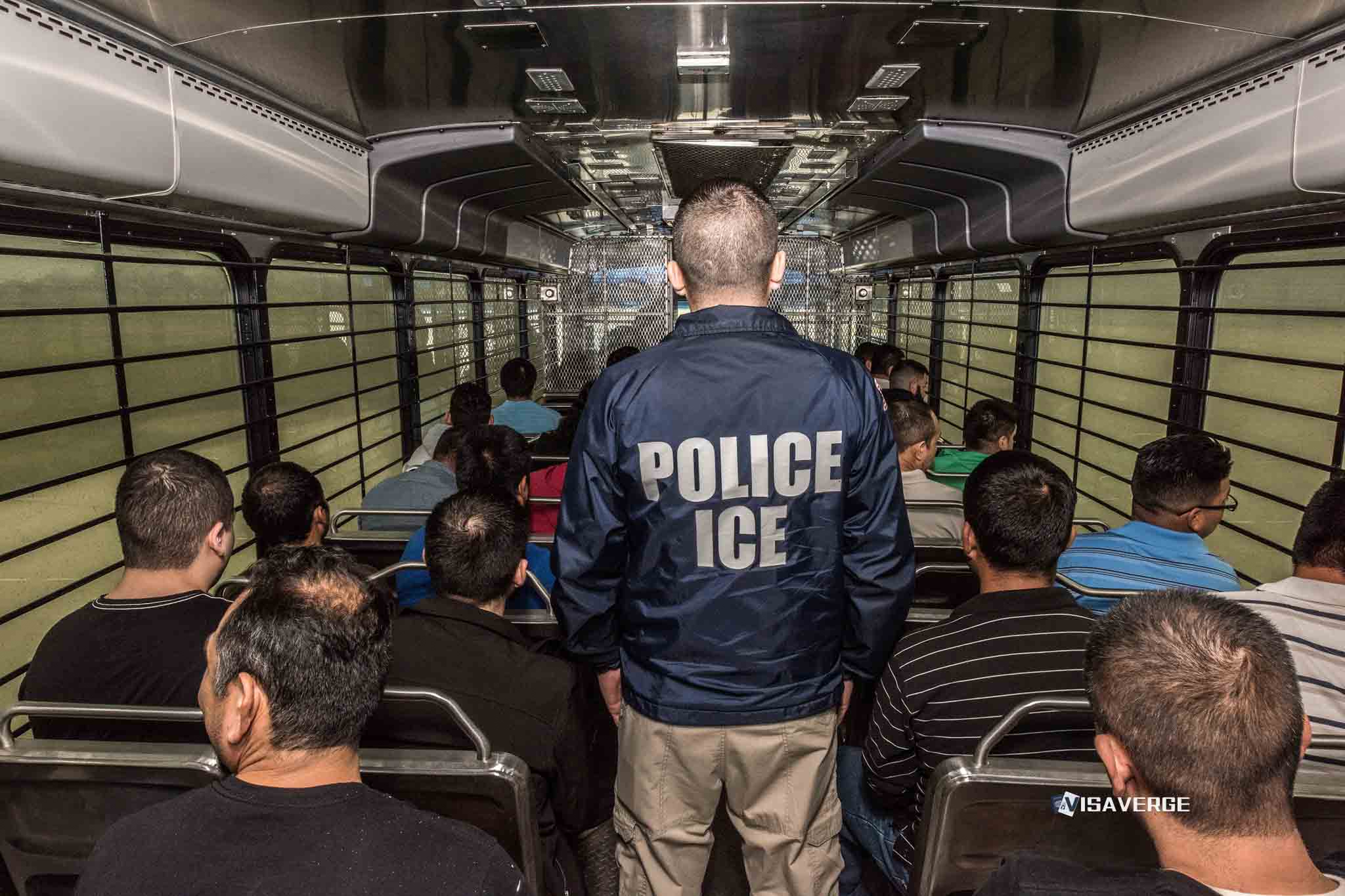
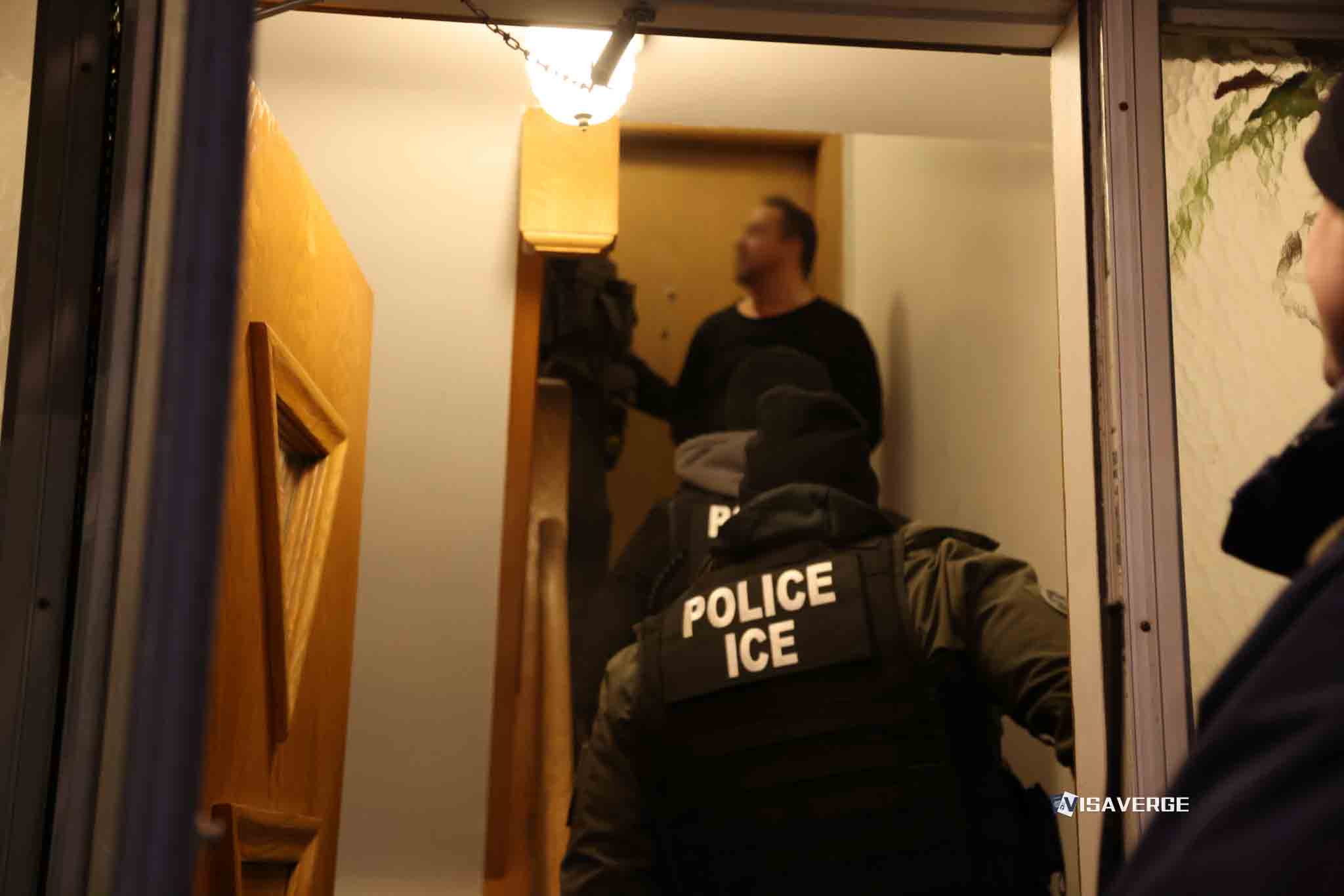
(ALEXANDRIA, LOUISIANA) — U.S. immigration authorities are considering a detention site in Alexandria, Louisiana, a proposal that would place immigrant families, and possibly unaccompanied children, in converted former military barracks near an airport for short-term processing before deportation or transfer.
The plan has drawn scrutiny because the dispute reaches beyond one property in central Louisiana. It centers on whether a fast-turn detention model can move people through the system before parents, relatives and lawyers have time to gather records, contact sponsors or raise claims for protection.
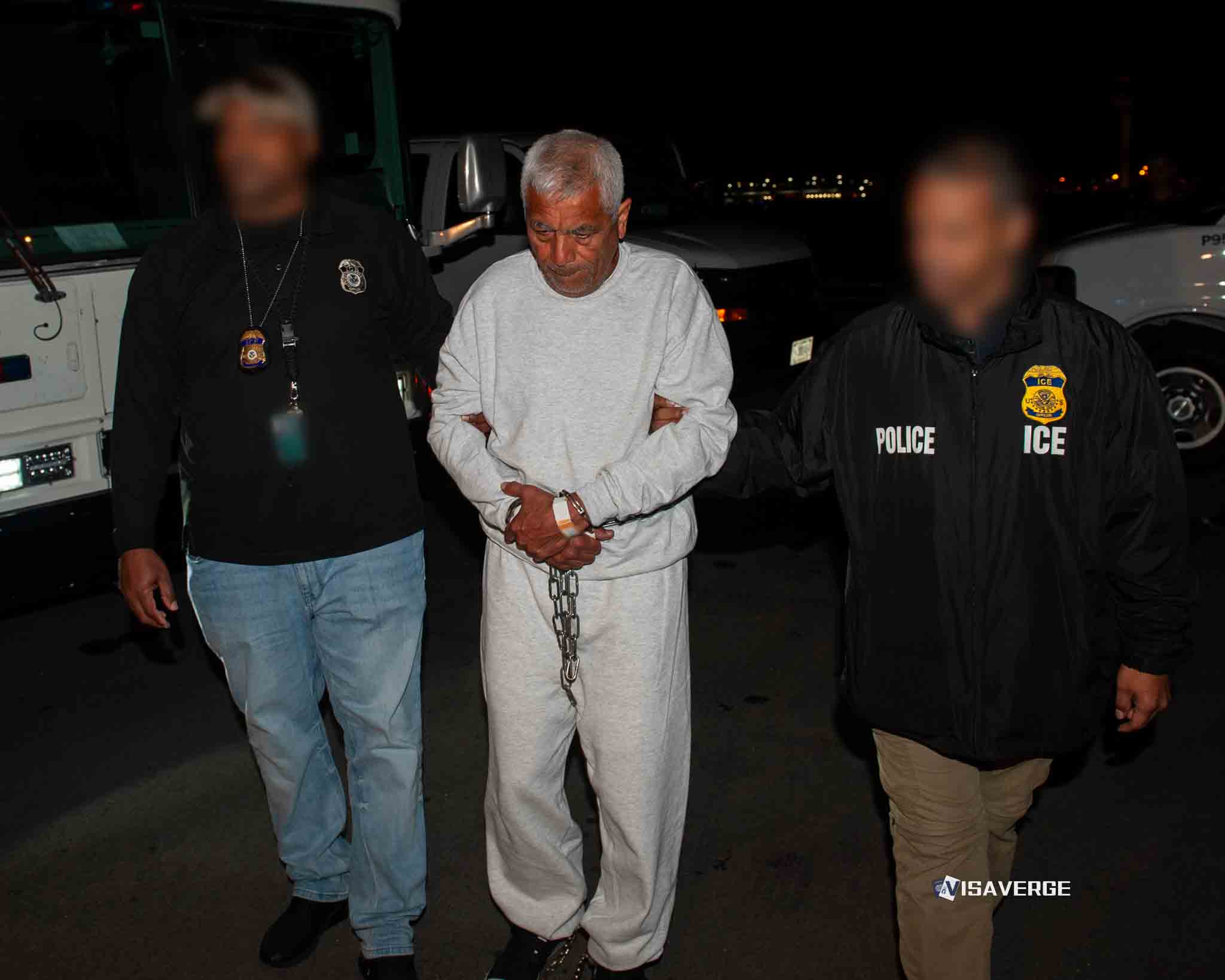
Immigration lawyers and family advocates are focused on the first days after detention, not just the length of confinement. A short stay can still shape the outcome of a case if a parent is placed on a removal flight, transferred elsewhere, released with monitoring, or allowed to pursue a legal claim.
Louisiana already sits deep inside the federal detention system. ICE lists multiple facilities in the state, and that network has expanded over the years through county jails, private operators and federal contracts.
The proposed Louisiana ICE Family Detention Center in Alexandria would differ because discussions around the site involve families and children rather than adults alone. That raises a wider set of questions: child welfare, medical care, trauma, education access, legal protections and environmental safety.
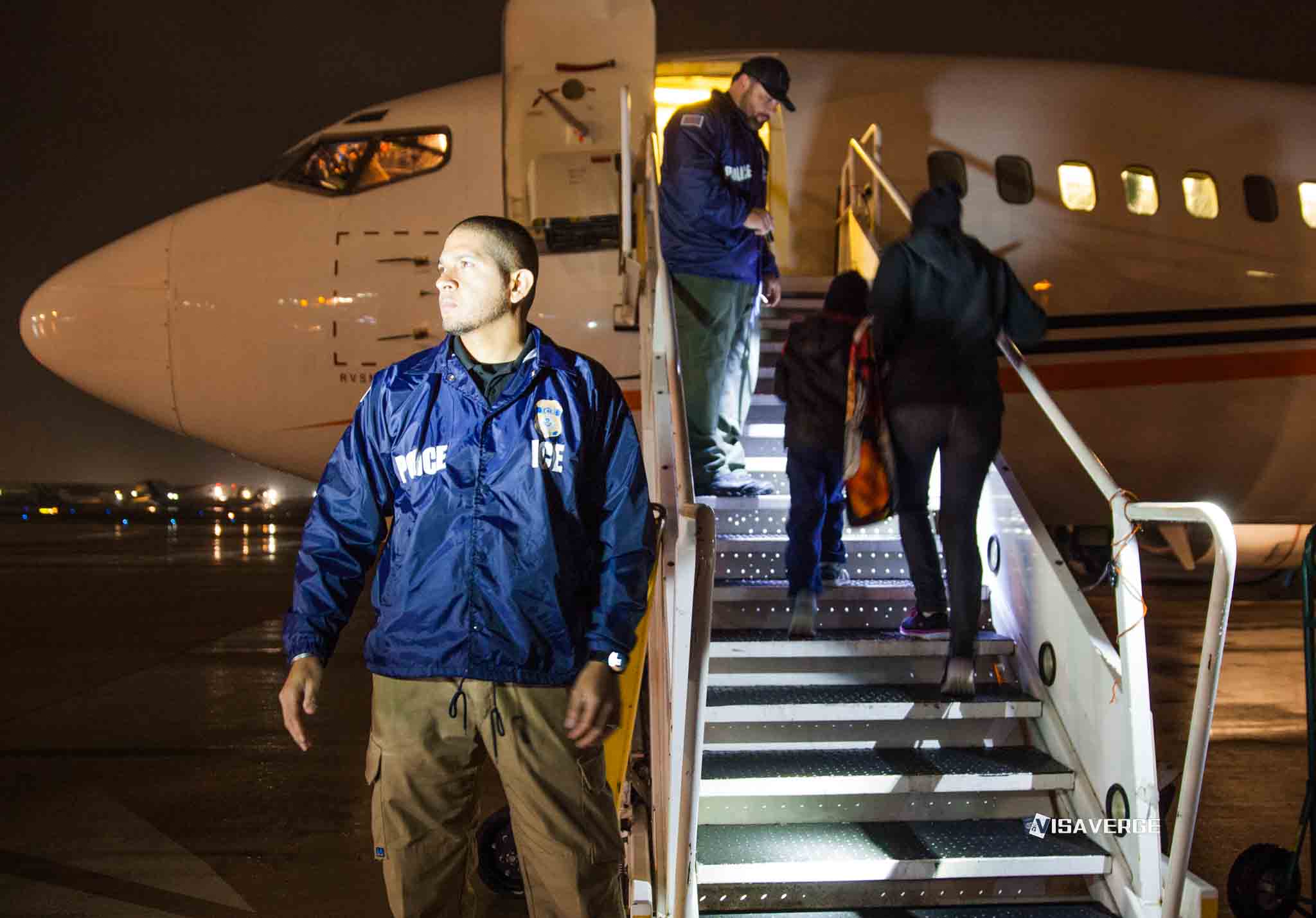
Reports tied to the proposal have also raised the prospect that the site would serve as a temporary holding location connected to deportation flights. If that happens, the practical effect is speed. Families could move from arrest to transfer or removal before they fully understand what is happening or what options remain open.
Brief detention often carries risks that look different from long confinement but can be just as consequential. A family held for a few days can struggle to reach a lawyer, collect identity documents, contact relatives in the United States, request interpretation, explain medical needs, or state a fear of return.
Those early hours matter most in asylum and other protection cases. The first stage of detention can determine whether a person leaves on a flight, moves to another facility, or gets a chance to press a claim in immigration proceedings.
Parents facing enforcement pressure often need records that are scattered across schools, clinics, lawyers’ offices and family homes. Copies of passports, birth certificates, immigration notices, court hearing notices, asylum filings, work permits, school records, medical records and proof of U.S. family ties can all become important at once.
Emergency contact information can matter just as much as the paperwork. Relatives, lawyers, consulates, schools and doctors are often the first people a detained parent needs to reach, especially if a child has prescriptions, allergies or diagnosed medical conditions that must be documented clearly.
Identity problems can worsen the situation quickly. False documents or inconsistent personal information can create credibility issues during detention or removal processing and can affect future immigration relief.
The possible involvement of unaccompanied children makes the Alexandria proposal more sensitive. In the U.S. immigration system, unaccompanied minors are generally treated differently from adults and family units because they can require child-welfare placement, sponsor screening and additional legal protections.
A facility that holds children, even briefly, faces a different standard of scrutiny than one built for adults. Medical care, legal information, child-appropriate spaces, safe sleeping arrangements, trauma-informed staff, language services and separation safeguards all become part of the detention debate, not secondary concerns.
Relatives and potential sponsors in the United States can face delays if they are not ready to prove who they are and how they are connected to a child. Identity documents, proof of address, relationship records and current contact information can determine how long a minor remains in government custody.
Another line of concern involves the land itself. The site has been discussed in connection with PFAS, often called “forever chemicals,” and with contamination questions linked to former military land use.
Any detention center on such a site would face pressure to show more than bed counts and operating plans. Adults face health concerns from environmental exposure, and children face higher risks, which puts clean water, safe air, soil safety, emergency medical access and transparent testing at the center of the debate.
Lawmakers and advocates pressing for disclosure are asking basic questions that often surface late in detention expansions. They want to know who will operate the site, what standards will apply, whether children will be held there, how long people will remain, how medical care will work, and whether environmental assessments have been completed.
Consular access also sits inside that debate. Foreign nationals in detention may need help with identity documents, emergency communication with relatives and contact with vulnerable family members, especially when a case moves quickly.
The proposal is not limited to any one nationality, but its reach extends to Indian and other immigrant families who have appeared more often in recent U.S. enforcement discussions involving border arrivals, asylum filings, student status issues and family-based cases. Expanded detention capacity can sweep in families from many countries after an arrest or transfer.
Documentation remains central for students, workers, asylum seekers and parents alike. Immigration status, court dates, attorney contact information, visa history, pending applications and prior removal orders can all become urgent during an ICE encounter.
Status records for students and workers carry their own importance because a visa stamp and lawful presence are not the same thing inside the United States. I-94 records, SEVIS compliance, H-1B employment records, pending extension receipts and address updates can shape what happens if ICE questions someone or places that person in custody.
Lawyers watching the Louisiana ICE Family Detention Center proposal are likely to focus on a narrow set of operational points with high stakes. They include whether the site will hold only family units or also unaccompanied children, whether ICE or a contractor or nonprofit provider will run it, what detention standards will govern it, and whether families will have access to attorneys before removal decisions.
Medical and mental-health screening will draw similar scrutiny. So will any policy on parent-child separation, the status of any environmental review, and whether Congress will receive contract and inspection records.
Families already in immigration proceedings often prepare best by reducing the number of decisions that must be made in custody. Writing down A-numbers, court dates and attorney details, then storing copies of records with a trusted person outside the home, can prevent delays when access to phones and papers becomes limited.
Childcare plans can become as urgent as legal plans. Parents at risk of sudden detention often need a school pickup arrangement and a trusted adult who can access school or medical information for children where the law allows it.
Past cases can raise the risk sharply during enforcement. Prior removal orders, criminal history, missed hearings and denied asylum claims can all change the legal posture of a detention case before a family has time to react.
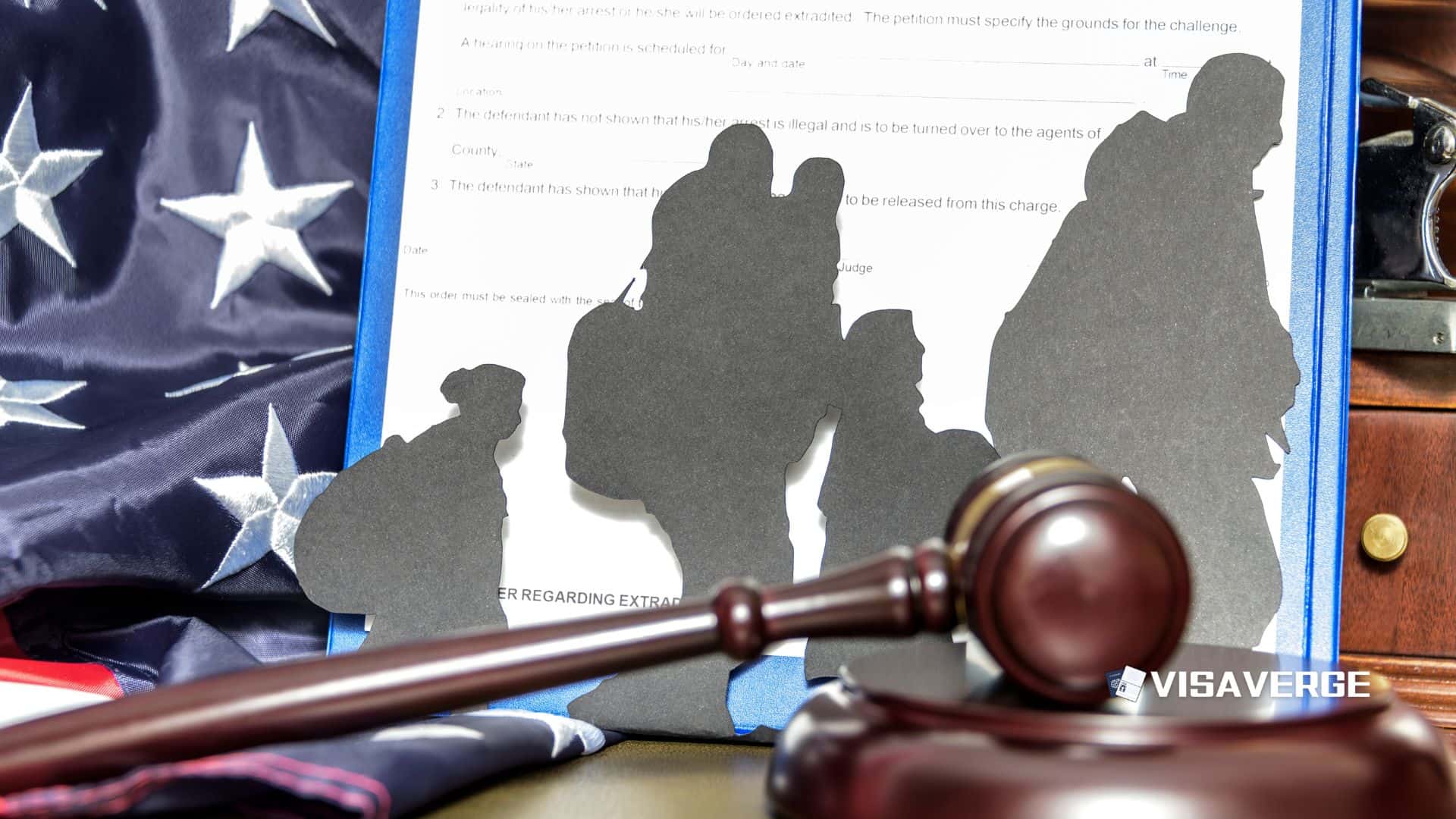
Documents signed in detention can also alter the course of a case within hours. Interpretation and legal advice matter before any signature, especially in a system that appears to be moving toward faster detention and faster removal logistics.
The proposed site in Alexandria, Louisiana sits where immigration enforcement, child welfare, due process and environmental safety meet. If federal officials build detention infrastructure around speed, the unanswered questions will not stop at capacity or cost; they will reach legal access, medical care, child protection and what happens to a family in the first days after arrest.