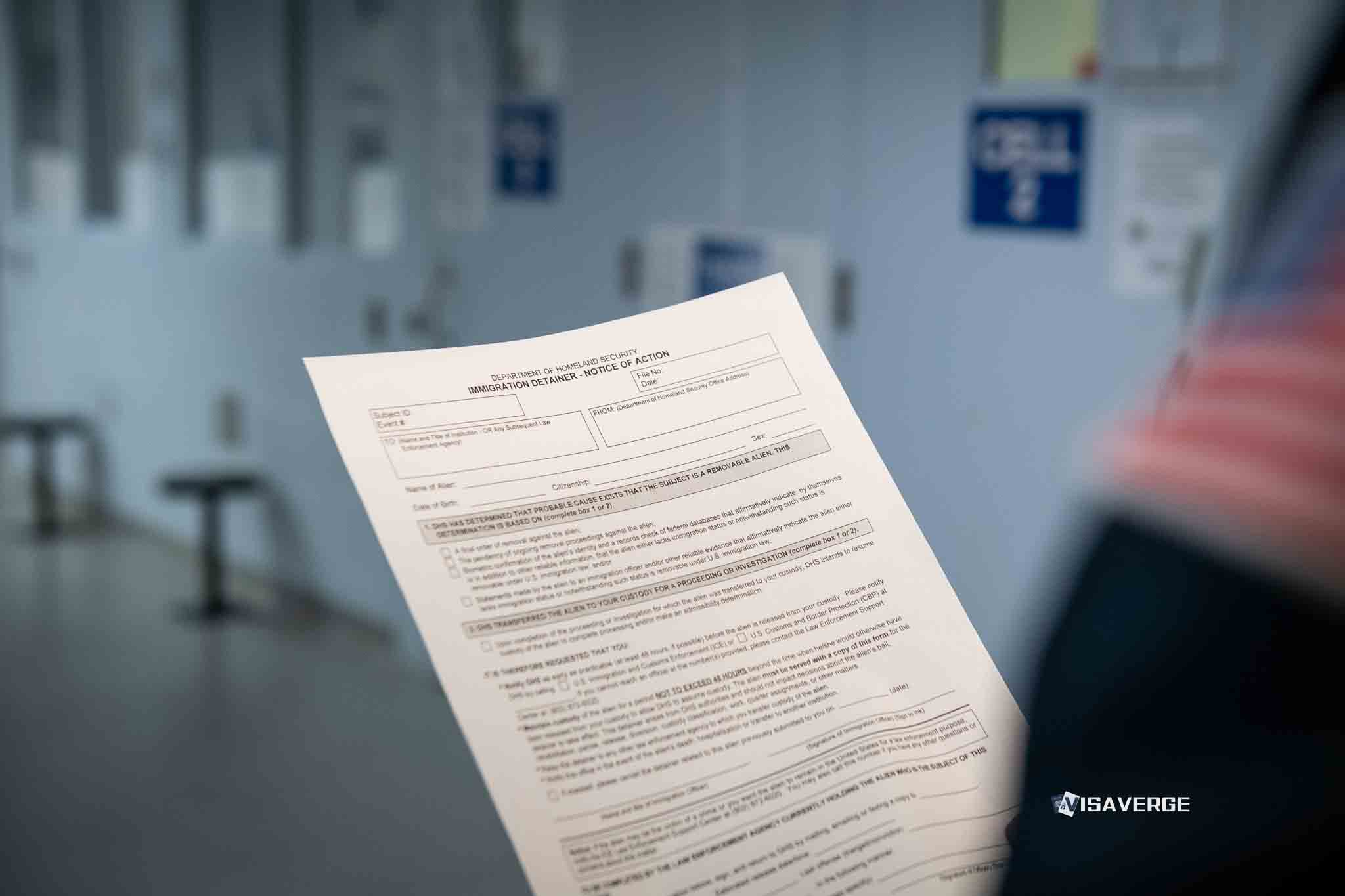
- ICE plans to open a five hundred twenty-eight bed staging area in Alexandria by August 2026.
- The site aims to expedite the deportation process for migrant families and unaccompanied children near a regional hub.
- Advocates raise concerns over legal access and detention duration for vulnerable populations in remote Louisiana locations.
(ALEXANDRIA, LOUISIANA) – U.S. Immigration and Customs Enforcement plans to open a 528-bed holding site in Alexandria, Louisiana, by August 2026, placing migrant families and unaccompanied children near a regional airport hub as they await removal flights.
Planning documents described the site as a “staging area,” not a traditional detention center, with stays expected to last only a few days. ICE’s stated goal is speed. By keeping people close to Alexandria International Airport during final processing, the agency expects to shorten the time between custody transfer and deportation.
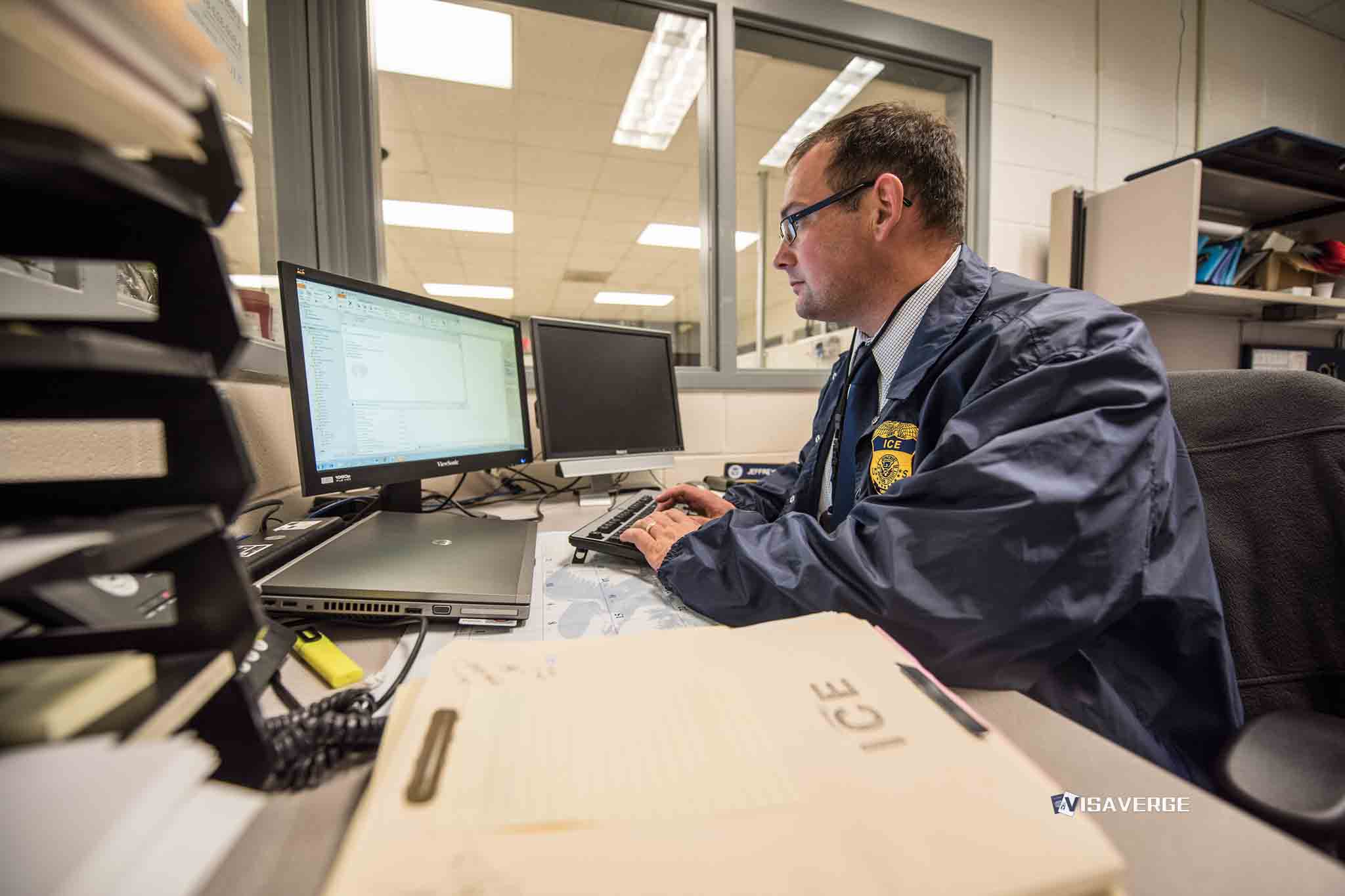
The project carries immediate legal significance because it appears aimed at people already in, or nearing, the final stages of removal. That places the facility at the intersection of detention authority under INA § 235 and INA § 236, final removal procedures under INA § 241, and special protections that apply to children.
Free toolCSPA Age-Out Calculator OnlineUnaccompanied minors are also covered by statutory rules in the Trafficking Victims Protection Reauthorization Act, while detention conditions for minors remain shaped by the Flores settlement and later litigation.
Local officials said the site could begin operating as early as August 2026. It would be run by a nonprofit arm affiliated with LaSalle Corrections, with LaSalle involved in compliance functions. ICE documents cited in press reports state that families and children held there would remain in ICE custody and could be released only at ICE’s direction.
That custody structure matters. People held at a staging area do not gain different legal rights because of the label attached to the building. If a person is detained pending removal, the governing questions usually come from the statute, the person’s procedural posture, and any court orders in the case.
Federal courts have long treated immigration detention based on legal authority rather than branding. In Reno v. Flores, 507 U.S. 292 (1993), the Supreme Court addressed the detention and release of noncitizen minors and recognized the government’s authority in this area, while later agreements and policies imposed additional standards for children.
Advocates have raised concern that “short stays” may stretch longer in practice. That concern is not abstract. Removal can be delayed by travel documents, late-filed motions, fear-based claims, medical issues, or the need to identify sponsors for children.
A person who expresses fear of return may need a screening interview. A parent with a pending motion to reopen or a circuit court stay may not be removable on the same timeline as someone with no active filing.
Reporting about contractor instructions has added another layer of scrutiny. Contractors were reportedly told not to refer to families as prisoners, detainees, or inmates, and not to use bars or cages during transport. Word choice alone does not resolve whether a person is in detention.
If individuals are not free to leave and remain under ICE control, immigration detention rules and constitutional standards still apply.
Children create the most complicated legal questions. Unaccompanied children are typically entitled to additional screening and placement protections, and some may be transferred to the Office of Refugee Resettlement rather than kept in ICE custody for extended periods.
Family units may raise separate issues involving parole, credible fear screening, asylum access under INA § 208, and judicial review if attorneys seek emergency relief. In some jurisdictions, circuit case law may affect detention challenges, especially when prolonged custody is alleged.
Warning: A final order of removal does not erase the right to contact counsel, request records, or alert ICE to a pending motion, stay, or fear claim. Families facing imminent removal should gather A-numbers, hearing notices, and court filings immediately.
Deadline pressure: Removal cases often move quickly once transfer to a staging area begins. Motions to reopen, stay requests, and federal court filings are time-sensitive, and some forms of relief depend on exact filing dates and custody status.
The opening of an Alexandria staging area may also affect access to lawyers. Remote Louisiana facilities have drawn repeated criticism from advocates who say legal visits, phone access, and rapid transfers can interfere with representation.
That concern is sharper for parents traveling with children and for minors who may not understand their case posture. EOIR court proceedings, BIA appeals, and emergency filings in federal court all depend on fast communication between detainees and counsel.
People with relatives in ICE custody should confirm where the person is being held, whether a removal order is already final, and whether any asylum, withholding, Convention Against Torture, or family-based matter remains pending with USCIS, EOIR, or a federal court.
If a child is involved, ask which agency has custody and whether the child has been classified as unaccompanied. Case-specific advice often turns on details that do not appear in public ICE summaries, and complex detention or family visa issues typically require review by a qualified immigration attorney.
⚖️ Legal Disclaimer: This article provides general information about immigration law and is not legal advice. Immigration cases are highly fact-specific, and laws vary by jurisdiction. Consult a qualified immigration attorney for advice about your specific situation.
Resources: Lawyer Referral | Immigration Advocates Network