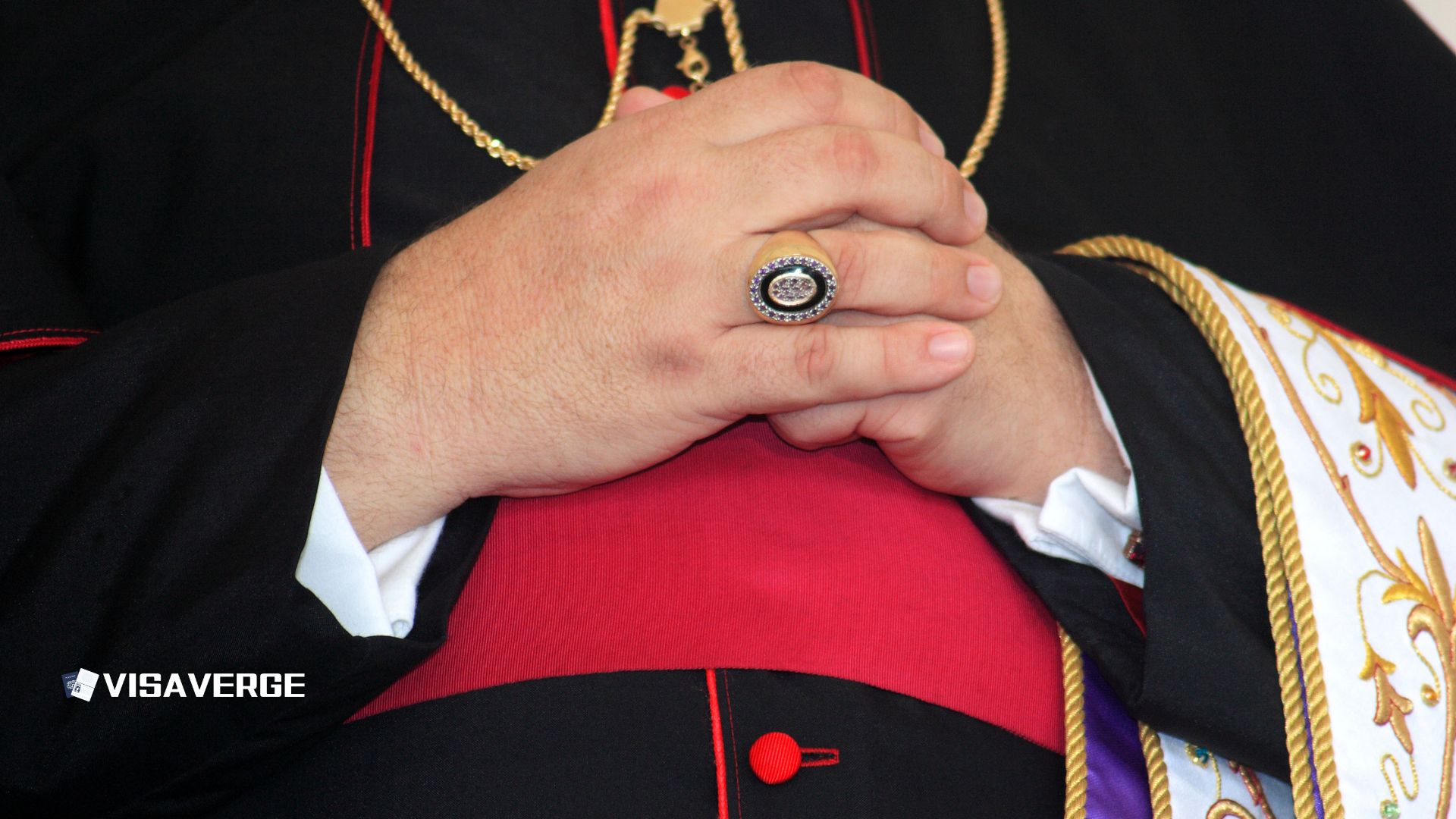
- Vice President JD Vance defended administration immigration policies following recent public criticism from Pope Leo XIV.
- The administration maintains that mass migration has victims and prioritizes national sovereignty over Vatican humanitarian concerns.
- The dispute centers on expedited removal procedures and narrowing eligibility for family-based parole programs under current law.
(UNITED STATES) — Vice President JD Vance pushed back against Vatican criticism of the Trump administration’s immigration policies on July 1, 2026, calling some of the Holy See’s positions “troubling” while denying any hostility toward Catholic leaders.
The remarks, reported by Reuters, mark the most direct response from the administration to Pope Leo XIV, who has repeatedly condemned the treatment of migrants under President Donald Trump’s enforcement crackdown. Vance, a Catholic convert, said he disagreed with the Vatican’s framing of the immigration debate but invited Church leaders to continue the conversation.

Vance argued that “mass migration has victims,” echoing the administration’s position that large-scale immigration imposes costs on American communities. He did not specify which Vatican statements he found troubling, nor did he identify particular policy areas of disagreement. The Vice President framed the dispute as a matter of policy rather than faith, stating that his Catholicism informs his worldview but does not require alignment with every Vatican position.
Free toolCSPA Age-Out Calculator OnlineThe exchange underscores a widening rift between Washington and Rome over immigration enforcement. Pope Leo XIV has called for “deep reflection” in the United States regarding how migrants are treated. His criticisms have centered on workplace raids, detention expansions, and expedited removal procedures under INA § 235 that bypass full hearings before an immigration judge.
Under expedited removal, noncitizens apprehended within 100 miles of the border and within 14 days of entry may be removed without appearing before an immigration judge. This applies unless they express a credible fear of persecution or torture. The administration has sought to expand expedited removal nationwide, a move challenged in federal court on due process grounds under the Fifth Amendment.
The Vatican’s criticism has focused on what Pope Leo XIV described as a failure to balance national sovereignty with humanitarian obligations under international law. The Holy See has historically supported the right of nations to control their borders, a position reaffirmed in papal encyclicals. The Vatican has drawn a line at policies that separate families or deny access to asylum procedures under INA § 208.
Family-based immigration has emerged as a particular flashpoint in the broader enforcement debate. Applicants under INA § 203 already face processing backlogs exceeding two years in several preference categories, according to the Department of State’s July 2026 Visa Bulletin. The administration has moved to narrow eligibility for parole programs under INA § 212(d)(5), which previously allowed certain family members to enter the United States while awaiting visa processing. Those changes have left thousands of applicants in prolonged separation from relatives, a situation Pope Leo XIV referenced in his call for reflection.
Legal observers note that the public dispute does not directly change statutory or regulatory frameworks. Immigration courts continue to operate under the Executive Office for Immigration Review. Adjudicators apply standards in INA § 240 and related regulations regardless of political rhetoric. The clash may, however, influence policy guidance memos from agency leadership. Those memos can affect how prosecutorial discretion is exercised in individual cases under INA § 239 and INA § 240.
Vance’s response signals that the administration does not intend to adjust its enforcement priorities in response to religious criticism. The Vice President’s framing of “mass migration has victims” aligns with prior administration arguments. Those arguments prioritize enforcement against unauthorized entries and certain legal immigration pathways, including family-based categories subject to the public charge rule under INA § 212(a)(4).
⚠️ Policy Alert: Changes to parole programs and public charge guidance may affect eligibility for family-based applicants. Monitor USCIS policy updates and consult counsel if pending cases are affected.
Applicants currently in the family visa pipeline should monitor USCIS processing time updates and consult with qualified counsel if enforcement actions or policy changes affect pending cases. The State Department’s monthly Visa Bulletin remains the authoritative source for priority date movement across preference categories.
The Vatican has not indicated whether it will issue a formal response to Vance’s remarks. Pope Leo XIV’s next scheduled address on migration is expected later this month, according to Vatican sources cited by Reuters.
⚖️ Legal Disclaimer: This article provides general information about immigration law and is not legal advice. Consult a qualified immigration attorney for advice about your specific situation.